

Sleep represents a fundamental biological imperative, yet its intricate internal processes often remain a mystery to the waking mind. This document examines the multifaceted activities that occur during periods of slumber, moving beyond the simple notion of rest to reveal a dynamic state of physiological and neurological reorganization. Analysis of sleep architecture demonstrates that the body cycles through distinct stages of non-rapid eye movement (NREM) and rapid eye movement (REM) sleep, each characterized by unique patterns of brain activity, muscle tone, and systemic function. During these cycles, the brain engages in critical maintenance tasks, including the clearance of metabolic waste, the consolidation of memories, and the processing of emotional experiences. Concurrently, the body undergoes systemic restoration, involving hormone regulation, immune system reinforcement, and tissue repair. Understanding these nocturnal processes illuminates the profound impact of sleep on cognitive performance, emotional well-being, and overall physical health, framing quality sleep not as a passive state, but as an active and essential component of a healthy life.
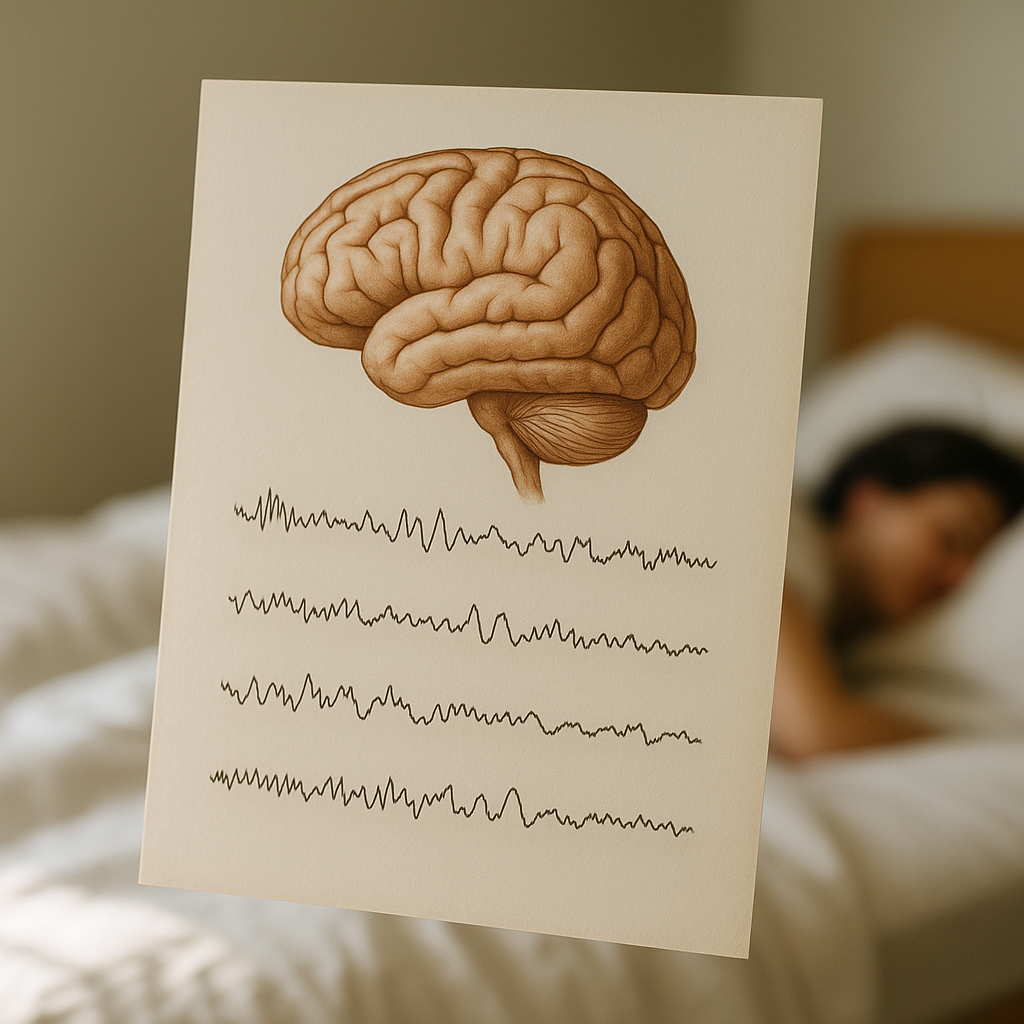
To the conscious mind, sleep feels like a void, a gap in the continuity of our experience. We close our eyes, and some hours later, an alarm clock or the morning sun pulls us back into the stream of awareness. What happens in between? For centuries, this question was the domain of philosophers and poets, who saw sleep as a "little death" or a mysterious journey into other realms. We now know, through decades of scientific inquiry, that sleep is anything but a passive state of shutdown. It is a highly active, meticulously organized period of intense biological and neurological work. The quiet stillness of a sleeping person belies a bustling internal world where the brain and body perform a suite of jobs that are absolutely vital for our survival, health, and well-being. This nightly activity is the most important example of something you do in your sleep.
Imagine your brain and body as a complex, 24-hour city. During the day, the city is wide awake. Its streets are filled with traffic, its offices are buzzing with activity, and its power plants are running at full capacity. This is your waking state, characterized by conscious thought, movement, and interaction with the world. But no city can run at this pace indefinitely. It needs a "night shift" to clean the streets, repair the infrastructure, restock the stores, and process the data from the day's activities. This is precisely the function of sleep. When you fall asleep, you are not turning the city off; you are simply handing control over to a different crew of workers who specialize in maintenance, restoration, and organization.
To understand what happens during sleep, we must first appreciate its structure. Sleep is not a monolithic block of time. Instead, it follows a predictable pattern, cycling through different stages in a repeating sequence throughout the night. This progression is known as sleep architecture (Kirsch, 2021). Scientists can visualize this architecture using a polysomnogram, a test that records brain waves (EEG), eye movements, and muscle tension. The recordings reveal two primary types of sleep: Non-Rapid Eye Movement (NREM) sleep and Rapid Eye Movement (REM) sleep.
Your journey into sleep begins with NREM sleep, which is divided into three distinct stages, each deeper than the last.
NREM Stage 1 (N1): This is the "dozing off" stage, a light, transitional phase between wakefulness and sleep. Your breathing and heart rate begin to slow, your muscles start to relax, and your brain waves, once fast and active, start to decrease in frequency. You might experience sudden muscle twitches, known as hypnic jerks, which can feel like a jolt or a sensation of falling. This stage is brief, typically lasting only one to seven minutes. It is a fragile state from which you can be easily awakened.
NREM Stage 2 (N2): You spend the largest portion of your night—around 45% to 55%—in this stage (Patel et al., 2024). It is a more stable phase of sleep where your body temperature drops, and your heart rate and breathing become even slower and more regular. Your brain waves continue to slow, but they are punctuated by two unique phenomena: sleep spindles and K-complexes. These short bursts of electrical activity are thought to play a role in blocking out external stimuli to keep you asleep and are also believed to be involved in the crucial process of memory consolidation.
NREM Stage 3 (N3): This is the deepest stage of sleep, often called slow-wave sleep (SWS) or deep sleep. During N3, your brain produces very slow, high-amplitude delta waves. It is incredibly difficult to wake someone from this stage, and if you are awakened, you are likely to feel groggy and disoriented for up to an hour—a phenomenon known as sleep inertia. 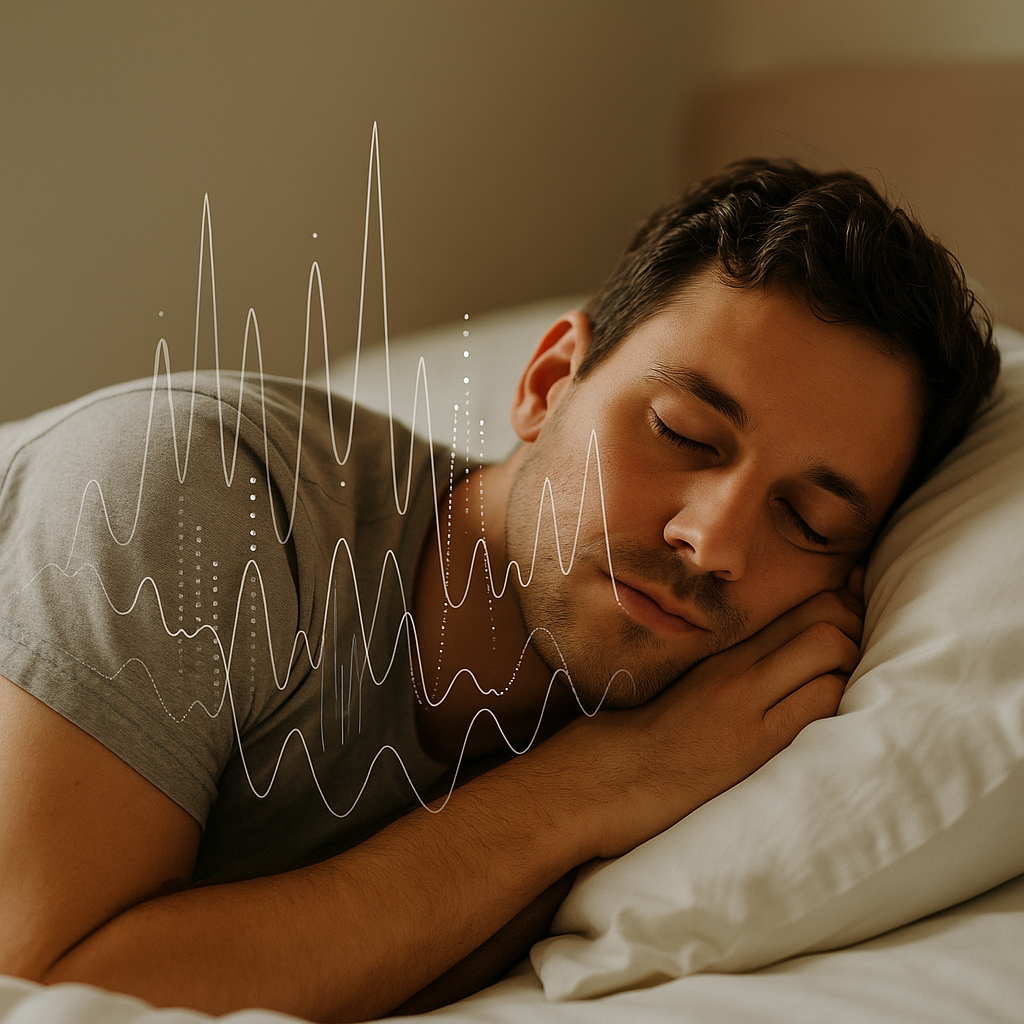 This is the stage where the body does most of its physical repair work. Growth hormone is released, tissues are repaired, the immune system is strengthened, and energy stores are replenished.
After passing through the NREM stages, a remarkable transformation occurs. You transition into REM sleep.
This entire cycle, from N1 through N3 and then into REM, takes about 90 to 120 minutes. You will typically complete four to six of these cycles each night. However, the composition of each cycle changes as the night progresses. The first half of the night is dominated by deep N3 sleep, allowing for maximum physical restoration early on. In contrast, the second half of the night features longer and more frequent periods of REM sleep, which is critical for cognitive and emotional processing. This elegant, repeating pattern ensures that both your body and your brain receive the specific type of rest and restoration they need. Recognizing this intricate dance of sleep stages is the first step in appreciating the profound complexity of something you do in your sleep.
| Sleep Stage | Type of Sleep | Brain Waves | Key Features and Primary Functions |
|---|---|---|---|
| Stage 1 (N1) | NREM | Theta Waves | The transition into sleep; a light phase where you can be easily awakened. Heart rate and breathing slow. Lasts 1-7 minutes. |
| Stage 2 (N2) | NREM | Sleep Spindles & K-Complexes | A more stable sleep. Body temperature drops. Brain activity helps block external stimuli. Memory consolidation begins. The longest stage, making up about 50% of total sleep. |
| Stage 3 (N3) | NREM | Delta Waves (Slow-Wave Sleep) | The deepest, most restorative sleep. Body performs tissue repair, builds bone and muscle, and strengthens the immune system. Crucial for physical recovery. |
| Stage 4 (REM) | REM | Beta Waves (similar to wakefulness) | Brain is highly active; vivid dreaming occurs. Body experiences muscle atonia (paralysis). Essential for memory consolidation, learning, and emotional regulation. |
What orchestrates this nightly ballet? The timing and structure of our sleep are governed by two main biological processes that work in tandem: the homeostatic sleep drive (Process S) and the circadian rhythm (Process C).
Process S, the Sleep Drive: Think of this as a sleep pressure gauge. From the moment you wake up, this pressure begins to build. A chemical called adenosine, a byproduct of your cells' energy consumption, accumulates in your brain throughout the day. The more adenosine that builds up, the sleepier you feel. This pressure creates an ever-increasing desire for sleep. During the night, as you sleep, your brain clears away this adenosine, reducing the sleep pressure so that you feel refreshed upon waking. This is why after a poor night's sleep, your sleep drive is exceptionally strong, and you may fall asleep more quickly and experience deeper sleep the following night—a phenomenon called sleep rebound.
Process C, the Circadian Rhythm: This is your body's internal 24-hour clock, located in a tiny region of the hypothalamus called the suprachiasmatic nucleus (SCN). The SCN acts as the master pacemaker, coordinating a vast array of bodily functions, including hormone release, body temperature, and, most notably, the sleep-wake cycle (Saper et al., 2010). The most powerful external cue for this clock is light. Exposure to light in the morning signals to the SCN that it is daytime, reinforcing wakefulness. As darkness falls in the evening, the SCN signals the pineal gland to produce melatonin, a hormone that facilitates the transition to sleep.
These two processes interact to create your typical sleep pattern. As your homeostatic sleep drive (Process S) builds throughout the day, your circadian alerting signal (Process C) also rises, helping you stay awake and alert. In the late evening, as the circadian alerting signal begins to wane and sleep pressure is at its peak, the "gate" to sleep opens, allowing you to fall asleep easily. This elegant two-process system ensures that you feel sleepy at the right time and can maintain a consolidated block of sleep throughout the night, enabling the many secret jobs of sleep to be completed.
| The Four Secret Jobs of Sleep | Primary Sleep Stage(s) | Key Processes Involved | Primary Benefit |
|---|---|---|---|
| 1. Brain's Janitorial Service | NREM Stage 3 (Deep Sleep) | Glymphatic system activation, clearance of metabolic waste (e.g., beta-amyloid). | Neuroprotection, reducing risk of diseases like Alzheimer's. Waking up with a "clear head." |
| 2. Mind's Librarian & Archivist | NREM Stage 2, REM Sleep | Sleep spindles, K-complexes, synaptic pruning, memory replay and integration. | Learning, memory consolidation, skill acquisition, creativity, and problem-solving. |
| 3. Body's Restoration Crew | NREM Stage 3 (Deep Sleep) | Release of growth hormone, protein synthesis, immune cell production (cytokines). | Muscle repair, tissue growth, immune system strengthening, energy conservation. |
| 4. Emotional Regulation Center | REM Sleep | Amygdala activity, prefrontal cortex regulation, processing of emotional memories. | Mood stabilization, reduction of emotional reactivity, processing trauma and stress. |
One of the most groundbreaking discoveries in sleep science in recent years has unveiled a process of profound importance: while you sleep, your brain gives itself a deep clean. For a long time, scientists were puzzled by how the brain, the most metabolically active organ in the body, managed its waste. Unlike the rest of the body, the brain lacks a lymphatic system, the network of vessels that serves as the body's garbage disposal service. The solution, it turns out, is a remarkable process that happens primarily during deep sleep. This is the first, and perhaps most fundamental, example of something you do in your sleep that is essential for your long-term health.
Imagine the day's mental activities—thinking, feeling, learning, experiencing—as a massive city-wide festival. At the end of the day, the streets are littered with trash. In the brain, this "trash" consists of metabolic byproducts, including potentially toxic proteins like beta-amyloid and tau, which are infamous for their role in Alzheimer's disease. During your waking hours, these waste products accumulate in the spaces between your brain cells. If left to build up, they can interfere with neural communication and eventually become toxic, leading to severe neurological problems.
The brain's ingenious solution to this waste problem is the glymphatic system, a term coined to reflect its reliance on glial cells and its functional similarity to the lymphatic system. This system operates as a clever plumbing network. During the day, it is largely inactive. However, when you enter deep N3 sleep, a stunning transformation occurs. Your brain cells, specifically neurons and glial cells, actually shrink by up to 60%. This shrinkage dramatically increases the space between the cells, opening up channels for cerebrospinal fluid (CSF)—the clear liquid that bathes the brain and spinal cord—to flow through.
Think of it like a city turning on its street-cleaning hydrants at night. The CSF is pumped along the outside of arteries, flows through the brain tissue, and flushes out the accumulated metabolic waste, including those dangerous beta-amyloid proteins. The "dirty" fluid is then collected into vessels and directed out of the brain to be disposed of by the body's lymphatic system. This entire process is most efficient, and perhaps only truly effective, during the deep, slow-wave sleep of stage N3 (Jung et al., 2011). When you are awake, or even in lighter stages of sleep, this clearance system is operating at a mere trickle.
The implications of this discovery are staggering. It provides a direct, mechanistic link between sleep quality and brain health. A single night of sleep deprivation can lead to a measurable increase in beta-amyloid levels in the brain. Chronic sleep deprivation or sleep disorders that disrupt deep sleep, such as sleep apnea, may chronically impair this cleaning process. Over years and decades, this could allow toxic proteins to accumulate to dangerous levels, potentially accelerating the progression of neurodegenerative diseases like Alzheimer's and Parkinson's. That feeling of mental clarity and sharpness you experience after a good night's sleep isn't just a feeling; it is the direct result of your brain having successfully taken out the trash. This critical cleaning is a powerful demonstration of something you do in your sleep that protects your very mind.
Given the vital role of the glymphatic system, maximizing the amount of deep N3 sleep you get becomes a primary goal for long-term brain health. Unfortunately, deep sleep is often the first casualty of modern life. Stress, alcohol, an inconsistent sleep schedule, and even the natural process of aging can reduce the amount of time you spend in this restorative stage.
Aging and Deep Sleep: As we age, the time spent in N3 sleep naturally declines. An older adult may spend very little, if any, time in the deepest stage of sleep, which may be one reason why the risk for neurodegenerative diseases increases with age. This makes prioritizing sleep hygiene even more important as we get older.
Alcohol's Deceptive Effect: Many people use alcohol as a sleep aid, and while it might help you fall asleep faster, it wreaks havoc on your sleep architecture. Alcohol suppresses REM sleep early in the night and significantly fragments and reduces deep N3 sleep. This means that even if you sleep for a full eight hours after drinking, you are robbing your brain of its crucial cleaning time.
Sleep Apnea's Hidden Danger: Obstructive sleep apnea is a condition where breathing repeatedly stops and starts during sleep. These pauses in breathing cause brief arousals from sleep, often pulling the person out of deep sleep and into a lighter stage. This constant disruption can severely limit the time spent in N3, crippling the glymphatic system's ability to function and significantly increasing the risk for cognitive decline.
Understanding that your brain is performing this essential janitorial service every night reframes the act of sleeping. It is not lost time; it is an active investment in your future cognitive health. Every night you prioritize deep, restorative sleep, you are not just preparing for the next day—you are helping to safeguard your mind for years to come. This nightly cleanup is a profound example of something you do in your sleep that has lifelong consequences.
While the brain's janitorial crew is busy cleaning house during deep sleep, another team is hard at work in the upper floors: the librarians and archivists. This team is responsible for managing the massive influx of information you acquire every single day. Every new fact you learn, every skill you practice, every experience you have—it all creates new neural connections. But not all of this information is equally important, and a raw, unprocessed collection of memories would be chaotic and useless. Sleep is the state in which your brain sifts through this daily data, decides what to keep, strengthens those important memories, and integrates them into your existing network of knowledge. This complex process of memory consolidation is the second secret job of sleep.
Think of your brain during the day as a library where new books are arriving by the truckload. They get dropped in a pile at the entrance. The library is open, and people are grabbing books, reading them, and putting them back in random places. It is a state of active but disorganized information use. When the library closes for the night—when you go to sleep—the librarians come in. They pick up the pile of new books, examine each one, and decide where it belongs. They might throw some away (the junk mail and flyers). They place important new books on the correct shelves. They might even rearrange a whole section to make room for a new, groundbreaking topic. This is a powerful analogy for what your brain is doing during N2 and REM sleep. This organizational feat is an incredible instance of something you do in your sleep.
When you first learn something, the memory is fragile. It is held in a temporary storage area, primarily the hippocampus, a seahorse-shaped structure deep in your brain. This short-term storage is vulnerable to being overwritten or forgotten. For that memory to become stable and long-lasting, it must be transferred from the hippocampus to the neocortex, the vast outer layer of the brain that serves as your long-term storage vault. This transfer and strengthening process is what we call memory consolidation, and it happens most effectively during sleep.
The process involves a beautiful dialogue between the hippocampus and the neocortex, orchestrated by specific brain wave patterns that occur during different sleep stages.
NREM Stage 2: The Indexing and Tagging: As you settle into N2 sleep, your brain begins the initial sorting process. This stage is characterized by sleep spindles and K-complexes. Scientists believe that sleep spindles, those short bursts of high-frequency brain activity, are a key mechanism for strengthening the neural connections that form a memory (Schönauer & Pöhlchen, 2018). You can think of sleep spindles as the brain's way of "tagging" important information for retention. The more sleep spindles a person has after learning a new task, the better their performance on that task the next day. K-complexes, the large, slow waves, are thought to help protect this delicate process by suppressing arousals from external noise.
NREM Stage 3: The Deep Transfer: During the deep, slow-wave sleep of N3, the real transfer begins. The slow oscillations of delta waves create a state where the hippocampus can "replay" the day's experiences. It sends signals to the neocortex, effectively teaching the cortex what it learned during the day. This dialogue strengthens the connections in the neocortex, gradually building a long-term, stable representation of the memory.
REM Sleep: Integration and Insight: After the memory has been transferred and strengthened in NREM sleep, REM sleep plays a different but equally important role. During REM, the brain integrates this new information into your existing web of knowledge. It explores connections, looks for patterns, and builds new associations. This is why sleep, and particularly REM sleep, is so strongly linked to creativity and insight. Have you ever gone to bed struggling with a difficult problem, only to wake up with the solution? That "aha!" moment is often the result of your brain's work during REM sleep, connecting disparate ideas in novel ways. This creative synthesis is a remarkable aspect of something you do in your sleep. REM sleep helps to not just store the memory, but to understand its meaning and its relationship to everything else you know.
The role of sleep in memory consolidation is not just an academic curiosity; it has profound practical implications for learning and skill development.
Academic Learning: Students who study for an exam and then get a full night of sleep consistently perform better than those who study all night and don't sleep. The sleep is not just for resting the brain; it is an active part of the learning process. It solidifies the information, making it easier to recall under pressure.
Motor Skills: The same principle applies to learning physical skills, like playing a musical instrument, mastering a golf swing, or learning to type. Practice creates the initial neural blueprint, but sleep is what cements that blueprint into a smooth, automatic skill. Studies have shown that a period of sleep after practicing a motor task leads to significant improvements in speed and accuracy, without any additional practice. This offline improvement is a direct result of memory consolidation during sleep.
Forgetting to Remember: Part of the librarian's job is not just shelving books but also clearing out clutter. During sleep, your brain also engages in a process of synaptic pruning. It selectively weakens or removes neural connections that are deemed unimportant. This might sound counterintuitive, but "forgetting" is essential for effective remembering. It clears up neural capacity and makes the important signals stand out from the noise. This is why you don't remember what you had for breakfast two Tuesdays ago—that information was deemed non-essential and was pruned away to make room for more important knowledge.
Understanding this aspect of sleep transforms how we should approach learning. It suggests that study or practice sessions should be followed by periods of rest and, most importantly, a good night's sleep. It highlights that "sleeping on it" is not a passive delay but an active, cognitive strategy for problem-solving and creative insight. The work of the mind's librarian is a subtle yet powerful example of something you do in your sleep that makes you smarter, more skilled, and more creative every single day.
While the brain is busy with its high-level tasks of cleaning and organizing, the rest of the body is far from idle. Sleep provides the crucial downtime needed for a dedicated "restoration crew" to get to work, performing a wide range of repair, rebuilding, and refueling operations. This is the third secret job of sleep, and it is fundamental to our physical health, energy levels, and resilience. When you sleep, your body is not just resting; it is actively healing and strengthening itself. This physical rejuvenation is a core part of something you do in your sleep.
During your waking hours, your body is in a state of catabolism—it is breaking down resources to produce energy for movement, thought, and daily activity. Muscles get slightly damaged from use, energy stores are depleted, and the immune system is on constant alert. Sleep shifts the body into a state of anabolism—a building-up phase. With the body's energy expenditure significantly reduced, resources can be redirected toward growth, repair, and reinforcement. This restorative work is most prominent during the deep N3 sleep that dominates the first half of the night.
One of the most important ways sleep orchestrates this physical restoration is by regulating the release of key hormones. Your circadian rhythm and sleep stages act like a conductor, ensuring that specific hormones are released at the right time and in the right amounts.
Growth Hormone: During deep N3 sleep, the pituitary gland releases a surge of human growth hormone (HGH). In children and adolescents, this hormone is essential for growth, as its name suggests. In adults, HGH plays a a vital role in repairing tissues. It stimulates protein synthesis, which helps to repair the microscopic tears in muscles that occur from daily activity or exercise. It also promotes the repair of other cells and tissues throughout the body and helps to build bone density. This is why athletes know that sleep is just as important as training and nutrition for peak performance and recovery. Without sufficient deep sleep, HGH secretion is blunted, hindering the body's ability to repair itself.
Cortisol: Cortisol is often known as the "stress hormone." Its levels naturally follow a circadian rhythm, peaking in the morning to help you wake up and feel alert, and gradually declining throughout the day to their lowest point around midnight. Sleep helps to regulate this rhythm. When you are sleep-deprived, this system goes haywire. Cortisol levels can remain elevated in the evening, making it harder to fall asleep, and the normal morning peak can be disrupted. Chronically high cortisol levels are linked to a host of health problems, including a weakened immune system, weight gain, and increased risk of chronic diseases.
Appetite-Regulating Hormones (Leptin and Ghrelin): Sleep plays a crucial role in regulating the hormones that control your appetite. Leptin is the "satiety" hormone; it signals to your brain that you are full. Ghrelin is the "hunger" hormone; it stimulates your appetite. When you get adequate sleep, these hormones are in balance. However, when you are sleep-deprived, this balance is thrown off. Leptin levels drop, and ghrelin levels rise (Kim et al., 2015). This hormonal double-whammy makes you feel hungrier and less satisfied by the food you eat, often leading to cravings for high-calorie, high-carbohydrate foods. This is one of the primary reasons why chronic poor sleep is strongly linked to weight gain and obesity.
Sleep is also a critical time for your immune system. During sleep, especially deep sleep, your immune system ramps up its activity. It produces and releases cytokines, which are proteins that help to coordinate the immune response. Some cytokines are pro-inflammatory and help the body fight off infections, while others are anti-inflammatory and help to resolve inflammation once an infection is cleared.
When you are fighting off a virus or bacteria, your body's need for sleep increases. The fatigue and sleepiness you feel when you are sick are not just symptoms of the illness; they are an active part of your body's defense strategy. The immune system is essentially telling the brain to initiate sleep so that it can work more effectively. Sleep allows the body to conserve energy and redirect it toward the immune response.
This connection also works in the other direction. Chronic sleep deprivation weakens the immune system, making you more susceptible to infections like the common cold. Studies have shown that people who consistently sleep less than seven hours a night are almost three times more likely to get sick after being exposed to a cold virus than those who sleep eight hours or more. Sleep also enhances the effectiveness of vaccines. Getting a good night's sleep before and after a vaccination can lead to a more robust antibody response, providing you with better protection. This nightly immune boost is a powerful example of something you do in your sleep to stay healthy.
At its most basic level, sleep is a strategy for conserving energy. By reducing your metabolic rate and body temperature, sleep allows you to save the energy that would otherwise be spent on being awake and active. From an evolutionary perspective, this was incredibly valuable. For early humans, nighttime was a period of increased danger and reduced ability to find food. Staying still and quiet in a safe place, with a lowered metabolism, was a brilliant survival strategy (Siegel, 2009).
While we may no longer be hiding from predators, this energy conservation function remains vital. The energy saved during sleep is not just "saved" in a passive sense; it is actively redirected to fuel the anabolic processes of repair, growth, and immune function. It is the fuel that powers the entire restoration crew. This nightly shift from spending energy to saving and reinvesting it is what allows you to wake up feeling not just mentally clear, but physically recharged and ready for the day ahead. This fundamental process of restoration and refueling is arguably the most tangible example of something you do in your sleep.
The final, and perhaps most profoundly human, job of sleep takes place in the theater of our dreams. While you are journeying through the surreal landscapes of REM sleep, your brain is engaged in a sophisticated form of overnight therapy. It is processing the day's emotional experiences, recalibrating your mood, and helping you prepare for the social and emotional challenges of the next day. This nightly emotional processing is the fourth secret job of sleep, and it is essential for our mental health and well-being. This is a deeply personal and transformative example of something you do in your sleep.
We have all experienced the emotional consequences of a poor night's sleep. We feel more irritable, more anxious, more reactive, and less able to cope with even minor frustrations. Conversely, a good night's sleep can bring a sense of perspective and emotional balance, making yesterday's problems seem more manageable. This is not just a coincidence; it is the direct result of the work being done in your brain's emotional centers during REM sleep.
The leading theory for how sleep accomplishes this emotional regulation is often called the "sleep to forget, sleep to remember" hypothesis. It suggests that REM sleep helps to strip the emotional charge away from our memories, while still preserving the memory itself.
During the day, when you have an emotional experience—whether it's a stressful meeting at work, a joyful moment with a loved one, or a frightening near-miss in traffic—the experience is encoded in the brain with a strong emotional tag. This tag is largely applied by the amygdala, the brain's primary emotion-processing center. The memory itself is stored in the hippocampus.
When you enter REM sleep, a fascinating neurochemical shift occurs. 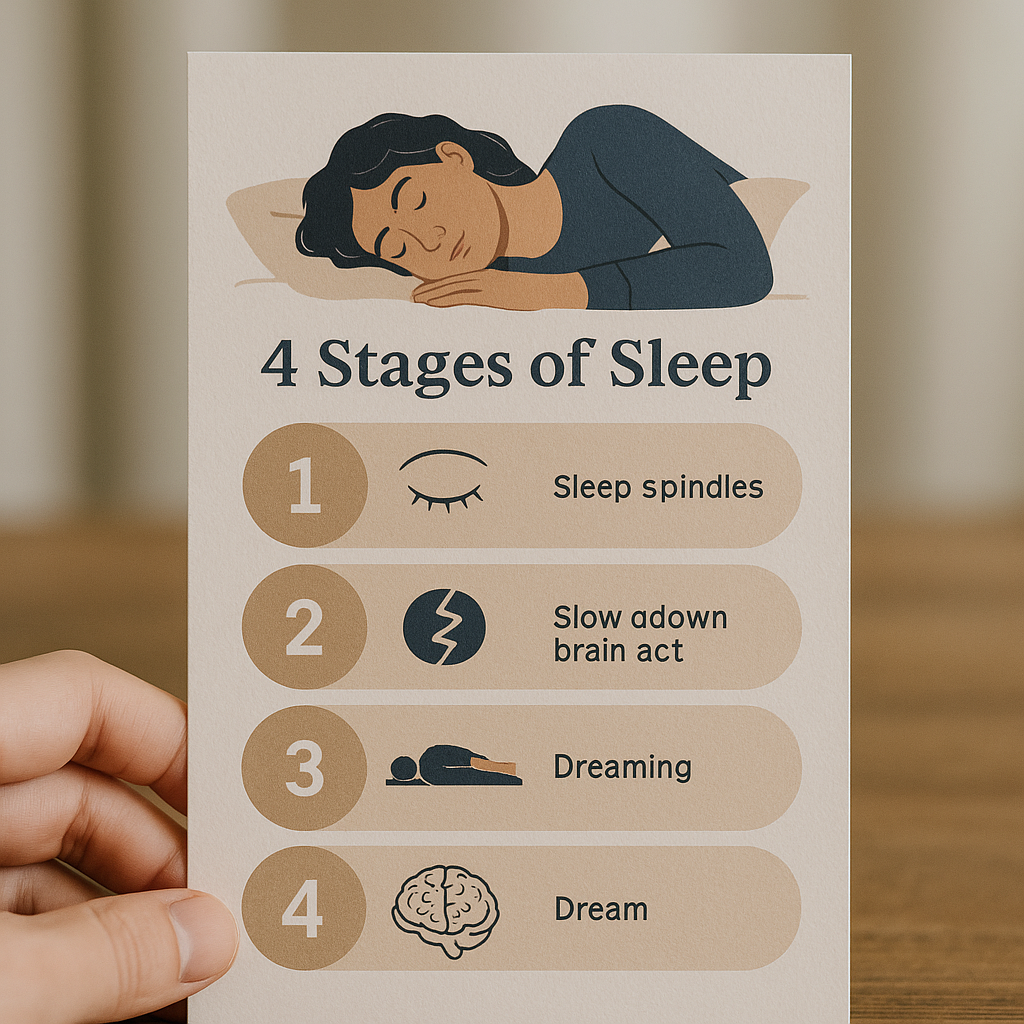 The brain is flooded with acetylcholine, which promotes memory reactivation, but the levels of norepinephrine, a key neurochemical associated with stress and anxiety, drop to virtually zero. This unique chemical environment allows the brain to replay the day's emotional memories without the associated stress response. It is like watching a movie of your day with the sound turned off.
This process allows the prefrontal cortex, the rational, logical part of your brain, to process the memory and integrate it into your life story without the raw, visceral emotion. The next morning, you still remember the event, but it no longer packs the same emotional punch. The memory has been softened, contextualized, and stored away. This is how we process grief, trauma, and daily stress. REM sleep acts as a balm, soothing the raw edges of our emotional experiences. This nightly emotional recalibration is an amazing demonstration of something you do in your sleep.
When this process is disrupted, the consequences can be severe. People who are deprived of REM sleep, either through chronic sleep loss or conditions like sleep apnea, often struggle with emotional regulation.
Increased Emotional Reactivity: Without the overnight therapy of REM sleep, the amygdala can become hyperactive. This leads to heightened emotional reactivity. A sleep-deprived brain responds to negative stimuli with much greater emotional intensity than a well-rested brain. Minor annoyances can feel like major crises, and the ability to maintain a positive outlook is diminished.
Anxiety and Depression: The link between sleep and mental health is a two-way street. Anxiety and depression can make it difficult to sleep, but poor sleep, particularly a lack of REM sleep, can also exacerbate these conditions. The failure to process emotional memories can lead to a cycle of rumination and worry, which are hallmarks of anxiety disorders. The inability to regulate mood can contribute to the persistent low feelings associated with depression. In fact, nearly every major psychiatric disorder is accompanied by some form of sleep disruption.
Post-Traumatic Stress Disorder (PTSD): In PTSD, this REM sleep mechanism appears to be broken. Instead of stripping the emotion from a traumatic memory, the brain gets stuck replaying the event with the full, terrifying emotional and physiological response. The stress-related neurochemical norepinephrine does not shut off properly during REM sleep, preventing the memory from being processed in a healthy way. This leads to the recurring nightmares and intense emotional distress that characterize the disorder.
The emotional benefits of sleep extend beyond our own internal state; they also shape how we interact with others. REM sleep appears to be critical for our ability to accurately read and interpret the social cues of others, such as facial expressions and body language. After a good night's sleep, we are better at distinguishing a friendly smile from a sarcastic one, or a look of genuine concern from one of pity.
When we are sleep-deprived, our ability to read these subtle cues is impaired. We are more likely to misinterpret neutral or positive expressions as threatening or negative. This can lead to misunderstandings, conflict, and a general feeling of social disconnectedness. By helping to fine-tune our emotional brain, REM sleep makes us better, more empathetic, and more socially intelligent beings.
The nightly journey through our dreams is not just a series of random, meaningless images. It is a vital and active process of emotional healing and regulation. It is your brain's way of ensuring that you wake up not just physically rested and mentally sharp, but also emotionally balanced and ready to engage with the world and the people in it. This nightly therapy session is the most intimate and perhaps most important example of something you do in your sleep. To better understand your own sleep patterns and ensure you are getting enough of this restorative REM sleep, utilizing tools like an advanced sleep tracking ring can provide invaluable, personalized insights.
1. Why do we dream, and does it matter if I don't remember my dreams? Dreaming is most prominent during REM sleep when the brain is highly active. While the exact purpose of dreaming is still debated, leading theories suggest it is crucial for processing emotions, consolidating memories, and problem-solving. Your brain works through the day's events, strengthening important memories while stripping away the associated emotional stress. Even if you do not remember your dreams upon waking, the underlying neurological process is still occurring and providing these benefits. Remembering dreams simply means you woke up during or just after a REM cycle.
2. What is the difference between deep sleep and REM sleep? Deep sleep (NREM Stage 3) and REM sleep are both vital but serve different primary functions. Deep sleep is primarily for physical restoration. During this stage, your brain waves are very slow, and your body focuses on repairing tissues, strengthening the immune system, and releasing growth hormone. REM sleep is for mental and emotional restoration. Your brain becomes highly active, similar to when you are awake, which facilitates memory consolidation, learning, and emotional processing. You need a healthy balance of both to wake up feeling truly refreshed.
3. How much deep sleep should I be getting each night? For most adults, deep sleep should make up about 13% to 23% of total sleep time. For someone sleeping seven to nine hours, this translates to roughly 60 to 120 minutes of deep sleep per night. However, the amount of deep sleep you get naturally declines with age. You get the majority of your deep sleep in the first half of the night, so disruptions early in your sleep period can significantly reduce your total amount.
4. Can I "catch up" on sleep over the weekend? While sleeping in on the weekend can help reduce some of the sleep debt you've accumulated and make you feel better temporarily, it cannot fully reverse the negative effects of chronic sleep loss during the week. Some aspects of sleep, like physical rest, can be partially recovered. However, higher cognitive functions and the intricate processes of memory consolidation and emotional regulation that happen on a nightly basis are harder to "catch up" on. A consistent sleep schedule is always the best strategy for optimal health.
5. Why do I feel groggy and confused when I wake up some mornings? This feeling is called sleep inertia. It is a transitional state of impaired cognitive and sensory-motor performance that occurs immediately after waking. It is most severe and lasts longest when you are awakened abruptly from the deepest stage of sleep, NREM Stage 3 (slow-wave sleep). During this stage, your brain is in its deepest state of rest, and being forced awake from it is a significant jolt to the system. The grogginess typically dissipates within 30 to 60 minutes.
6. What are sleep spindles and K-complexes? These are two distinct brain wave patterns that are the hallmarks of NREM Stage 2 sleep. Sleep spindles are short, rapid bursts of brain activity thought to be involved in strengthening memories and processing information. K-complexes are large, slow waves that are believed to help keep you asleep by suppressing your response to external stimuli, like a noise in your environment. Together, they help stabilize sleep and facilitate the work of memory consolidation.
7. Does what I eat or drink before bed affect my sleep stages? Absolutely. Consuming caffeine too late in the day can make it harder to fall asleep and can reduce the amount of deep sleep you get. Alcohol, while it may make you feel sleepy initially, severely disrupts sleep architecture later in the night. It suppresses REM sleep in the first half of the night and leads to more frequent awakenings in the second half. A large meal close to bedtime can also interfere with sleep by causing indigestion or acid reflux. It's best to avoid these substances for several hours before bed.
We have journeyed through the hidden world of the night, uncovering the four secret jobs that your brain and body tirelessly perform while you are unconscious. We have seen the brain's janitorial service diligently washing away toxic waste during deep sleep, a process vital for long-term neurological health. We have met the mind's librarians, who work through the night in NREM and REM sleep to sort, file, and connect the day's memories, making learning and creativity possible. We have observed the body's restoration crew, which, fueled by hormones released in deep sleep, repairs muscle, strengthens our immune defenses, and refuels our energy stores. And finally, we have witnessed the profound overnight therapy of REM sleep, where emotional memories are processed, and our mood is recalibrated for the day ahead.
What becomes clear is that sleep is not a passive state of rest but an active, dynamic, and essential period of self-maintenance and optimization. It is not a luxury or a sign of weakness; it is a non-negotiable biological necessity. Each of these nocturnal jobs is interconnected, and the failure to adequately perform one can have cascading effects on the others, impacting our mental clarity, emotional stability, and physical health. The myriad processes involved in something you do in your sleep are foundational to your waking life.
To dismiss sleep as unproductive time is to fundamentally misunderstand its purpose. In our fast-paced, 24/7 culture, we have often treated sleep as an enemy to be conquered, something to be minimized in the pursuit of more waking hours. This perspective is not only misguided; it is dangerous. The science is unequivocal: a healthy life requires healthy sleep. Prioritizing sleep is one of the most effective things you can do to improve your cognitive function, enhance your mood, strengthen your body, and protect yourself against chronic disease.
The first step toward improving your sleep is to appreciate its importance. The second is to understand it. By recognizing the intricate and vital work that constitutes something you do in your sleep, you can begin to make choices that support these processes. This means cultivating good sleep hygiene, maintaining a consistent schedule, and creating a restful environment. It means being mindful of how factors like diet, exercise, and stress impact your nightly restoration. Taking control of your health begins with a deep understanding of your own physiology, and a comprehensive sleep solution can be a powerful partner in this journey, providing the data you need to make informed changes. Let this knowledge be your awakening. Value your sleep, protect it, and allow its secret jobs to prepare you for a healthier, happier, and more vibrant life.
Jung, C. M., Melanson, E. L., Frydendall, E. J., Perreault, L., Eckel,R. H., & Wright, K. P. (2011). Energy expenditure during sleep, sleep deprivation and sleep following sleep deprivation in adult humans. The Journal of Physiology, 589(Pt 1), 235–244. https://doi.org/10.1113/jphysiol.2010.197517
Kim, T. W., Jeong, J. H., & Hong, S. C. (2015). The impact of sleep and circadian disturbance on hormones and metabolism. International Journal of Endocrinology, 2015, 591729. https://doi.org/10.1155/2015/591729
Kirsch, D. (2021, November 8). Stages and architecture of normal sleep. UpToDate. https://www.uptodate.com/contents/stages-and-architecture-of-normal-sleep
Patel, A. K., Reddy, V., & Araujo, J. F. (2024). Physiology, sleep stages. In StatPearls. StatPearls Publishing.
Saper, C. B., Fuller, P. M., Pedersen, N. P., Lu, J., & Scammell, T. E. (2010). Sleep state switching. Neuron, 68(6), 1023–1042.
Schönauer, M., & Pöhlchen, D. (2018). Sleep spindles. Current Biology, 28(19), R1129–R1130.
Siegel, J. M. (2009). Sleep as a state of adaptive inactivity. Nature Reviews Neuroscience, 10(10), 747-753. https://doi.org/10.1038/nrn2710
Sleep Foundation. (n.d.). What happens when you sleep?https://www.sleepfoundation.org/how-sleep-works/what-happens-when-you-sleep
Sleep Foundation. (n.d.). Stages of sleep. https://www.sleepfoundation.org/how-sleep-works/stages-of-sleep
U.S. Department of Health and Human Services. (n.d.). Brain basics: Understanding sleep. National Institute of Neurological Disorders and Stroke. https://www.ninds.nih.gov/Disorders/Patient-Caregiver-Education/Understanding-Sleep

