

Meet the Mayissi Medical Advisors
MAYISSI is committed to improving global health literacy through rigorous research, precise insights, and professionally developed educational resources.
Our team of medical experts conducts in-depth research across diverse fields, including sleep health, women’s wellness, stress management, disease prevention, mental health, cardiology, health management, biomedicine, and algorithm engineering.
These highly respected specialists provide comprehensive, professional, and robust medical and theoretical support for our brand strategy, product development, and health data interpretation.
▪ Every monitoring logic, sensing technology, and data model behind our products is rigorously validated in professional laboratories to ensure that all functions meet medical-grade standards and every health reading is reliable and clinically meaningful.
▪ We continue to innovate in wearable health monitoring, optimizing user experience based on real clinical needs. We transform complex medical knowledge into accessible health technology, bridging the gap between professional medicine and everyday wellness.
▪ Through continuous product iteration and long-term health trend analysis, we empower users to detect early warning signs through daily monitoring, helping them achieve the goal of early detection, early attention, and early intervention.
Meet our respected medical advisors →

Dr. Kushida is a neurologist and sleep specialist who directs several NIH- and industry-sponsored research studies, focused on topics such as the physical features and neurocognitive changes associated with the obstructive sleep apnea syndrome, the epidemiology and treatment of restless legs syndrome/periodic limb movement disorder, primary care sleep education and training, and countermeasures for sleep loss.

Dr. Rebecca Robbins, PhD is an Assistant Professor at Harvard Medical School and Associate Scientist at Brigham and Women’s Hospital. Dr. Robbins' research aims to design evidence based interventions that improve sleep health among individuals, communicates, and organizations. Her work has appeared in the peer-reviewed literature, and also in the New York Times, Martha Stewart Living, and on the Today Show, CBS This Morning, ABC Nightline, and Fox Business News.

Michael Chee MBBS, FRCP(Edin) is Professor and Director of the Centre for Sleep and Cognition at the Yong Loo Lin School of Medicine, National University of Singapore. He is a pioneer clinician scientist a pioneer clinician scientist in Singapore who has won the National Outstanding Clinician Scientist Award (2009) and is a three time award winner of the National Medical Research Council’s top tier Clinician Scientist STaR award (2007, 2013, 2019). His is an inaugural Fellow of the Organization for Human Brain Mapping.
His work on sleep over the last 20 years has focussed on characterizing and alleviating the negative impact of sleep deprivation on cognitive performance, wellbeing and health using innovative cognitive tests as well as a wide range of instrumentation including EEG, MRI, wearable devices, and ecological momentary assessments. His team ran 5 editions of the adolescent ‘Need for Sleep Studies’ - a 2-week sleep camp investigating the effects of different doses of sleep on vigilance, memory and mood.
He has led work on non-invasive stimulation technologies to enhance sleep, a series of intervention studies involving sleep education and starting school later to help adolescents sleep longer, developed smartphone apps to assess time use and to probe sleep and daytime wellbeing, as well as multiple papers investigating the neural mechanisms of sleep loss as well as the benefit of naps. His 200+ publications include contributions to Ann Rev Psychol, PNAS, Neuron, J Neuroscience, Am J Psychiatry, Neurology, Sleep and NeuroImage. His research has attracted over $50 million in funding as Principal Investigator
In the sleep field, he has served as Vice President (2013-2014) and President (2016-2018) of the Singapore Sleep Research Society, given plenary or keynote talks at top conferences such as World Sleep, the European Sleep Research Conference and the American Academy of Sleep Medicine, consulted for AIA and presently sits on the editorial boards of Sleep, NeuroImage and Current Opinion in Behavioral Sciences.
He has also written numerous commentaries on sleep and public health and has appeared on television, internet and international print media in relation to his advocacy work for sleep, which have been cited by the Times, Guardian, Economist and other influential lay press publications. He has also trained over 70 research staff including 4 Associate Professors, 7 Assistant Professors, numerous research fellows as well as a few medical doctors, clinical psychologists and founders of two tech start-ups.

Andrew Huberman is a tenured associate professor of neurobiology and of ophthalmology at Stanford University School of Medicine, where he directs the Huberman Lab. After earning his B.A. from the University of California, Santa Barbara and completing M.A. and Ph.D. degrees in neuroscience at UC Berkeley and UC Davis, he conducted post-doctoral work at Stanford.
Huberman’s research has produced numerous publications in leading journals including Nature, Cell, Neuron and Science. His contributions have been recognized with the Cogan Award for vision science, Pew and McKnight Scholar awards. He teaches neuroanatomy to Stanford medical students.

Dr. Stuart Fogel, PhD decode the physiological signals of the brain that support cognition and behaviour across different states of consciousness. Despite continued research to characterize the features of sleep and its underlying physiological processes, the functions of sleep have remained largely enigmatic. The focus of our research is to investigate one of the dominant hypotheses in the field: that one of the primary functions of sleep is for memory consolidation; the process of forming enduring memory traces. We employ a unique combination of behavioural, cognitive, electrophysiological, functional and structural neuroimaging and combined EEG-fMRI techniques to explore the neural correlates of sleep-dependent memory consolidation.
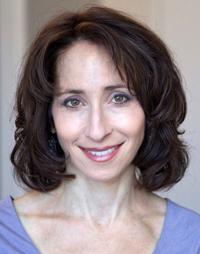
Dr. Elissa Epel, PhD
Professor & Vice Chair, UCSF Psychiatry; Director, Aging, Metabolism, and Emotions Center
Leading expert on stress, telomeres, metabolic health, aging, and mind-body connections. Ideal for stress/wellness rings.
Epel is a health psychologist focusing on stress pathways. For the past 15 years, she has studied stress in the lab and in the field, using naturalistic stressors and associations with an early aging syndrome. She examines how stress processes lead to early disease precursors, focusing on overeating, abdominal obesity, and immune cell aging. She has found that people’s propensity to be stress reactive, psychologically or in terms of cortisol reactivity, is associated with overeating, abdominal obesity, and accelerated cell aging.
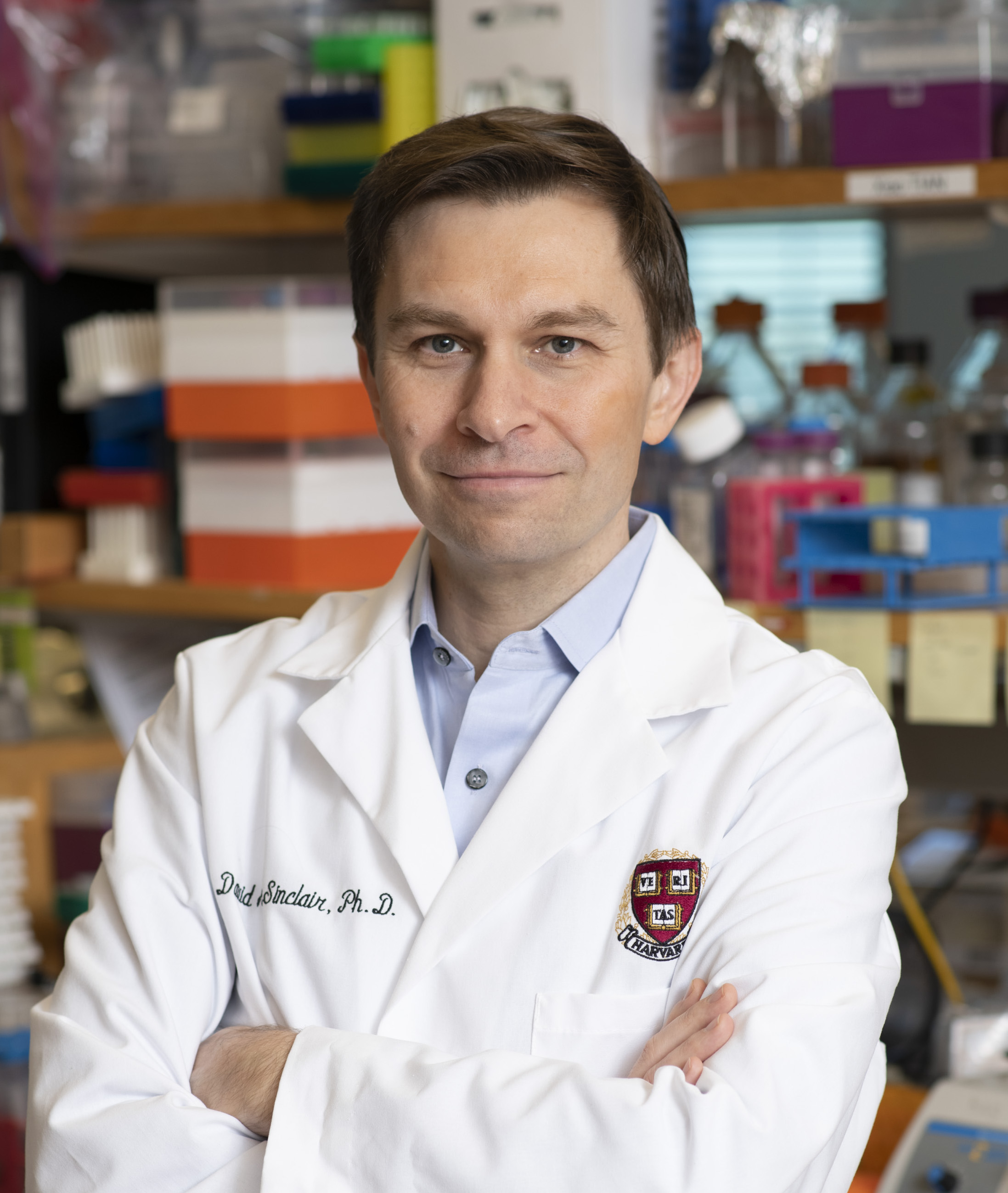
Dr. David Sinclair, PhD
Professor of Genetics, Harvard Medical School; Co-Director, Paul F. Glenn Center for Biology of Aging
Global icon in longevity, anti-aging, metabolism, and healthy lifespan. Perfect for biological age tracking.He is an biologist and academic known for his research on aging and epigenetics. Sinclair is a professor of genetics at Harvard Medical School and the founding director of the Paul F. Glenn Laboratories for the Biological Mechanisms of Aging at Harvard. He is the co-author of Lifespan: Why We Age – and Why We Don't Have To.
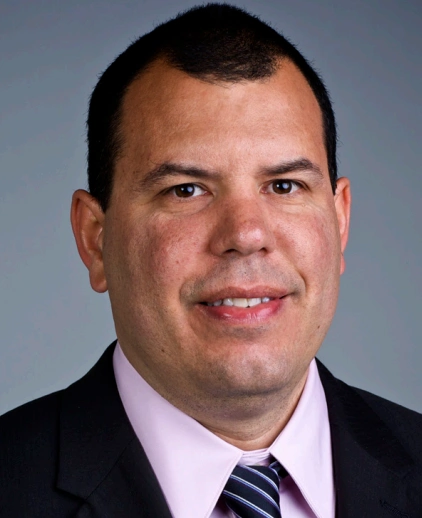
Dr. Tomas A. Prolla, PhD
Professor of Genetics, University of Wisconsin-Madison
Pioneer in aging, gene expression, calorie restriction, and physiological biomarkers of longevity.
Dr. Eleni Jaswa, MD, MSc, FACOG
Board-Certified OB/GYN, Reproductive Endocrinologist & Fertility Specialist, UCSF
Specializes in women’s reproductive health, PCOS, fertility, and technology-enabled women’s health.
Dr. Eleni Jaswa is a reproductive endocrinologist, infertility specialist and research scientist who cares for patients trying to build a family. She has expertise in diagnosing and managing a broad spectrum of reproductive health conditions, including polycystic ovary syndrome (PCOS), recurrent pregnancy loss, primary ovarian insufficiency, endometriosis and unexplained infertility. She provides diverse fertility treatments, which she tailors to meet individual needs and goals. She believes in empowering patients through education, data provision and open communication, and seeks to ensure they feel supported and informed throughout their journey.
Dr. Eleni Jaswa is a reproductive endocrinologist, infertility specialist and research scientist who cares for patients trying to build a family. She has expertise in diagnosing and managing a broad spectrum of reproductive health conditions, including polycystic ovary syndrome (PCOS), recurrent pregnancy loss, primary ovarian insufficiency, endometriosis and unexplained infertility. She provides diverse fertility treatments, which she tailors to meet individual needs and goals. She believes in empowering patients through education, data provision and open communication, and seeks to ensure they feel supported and informed throughout their journey.
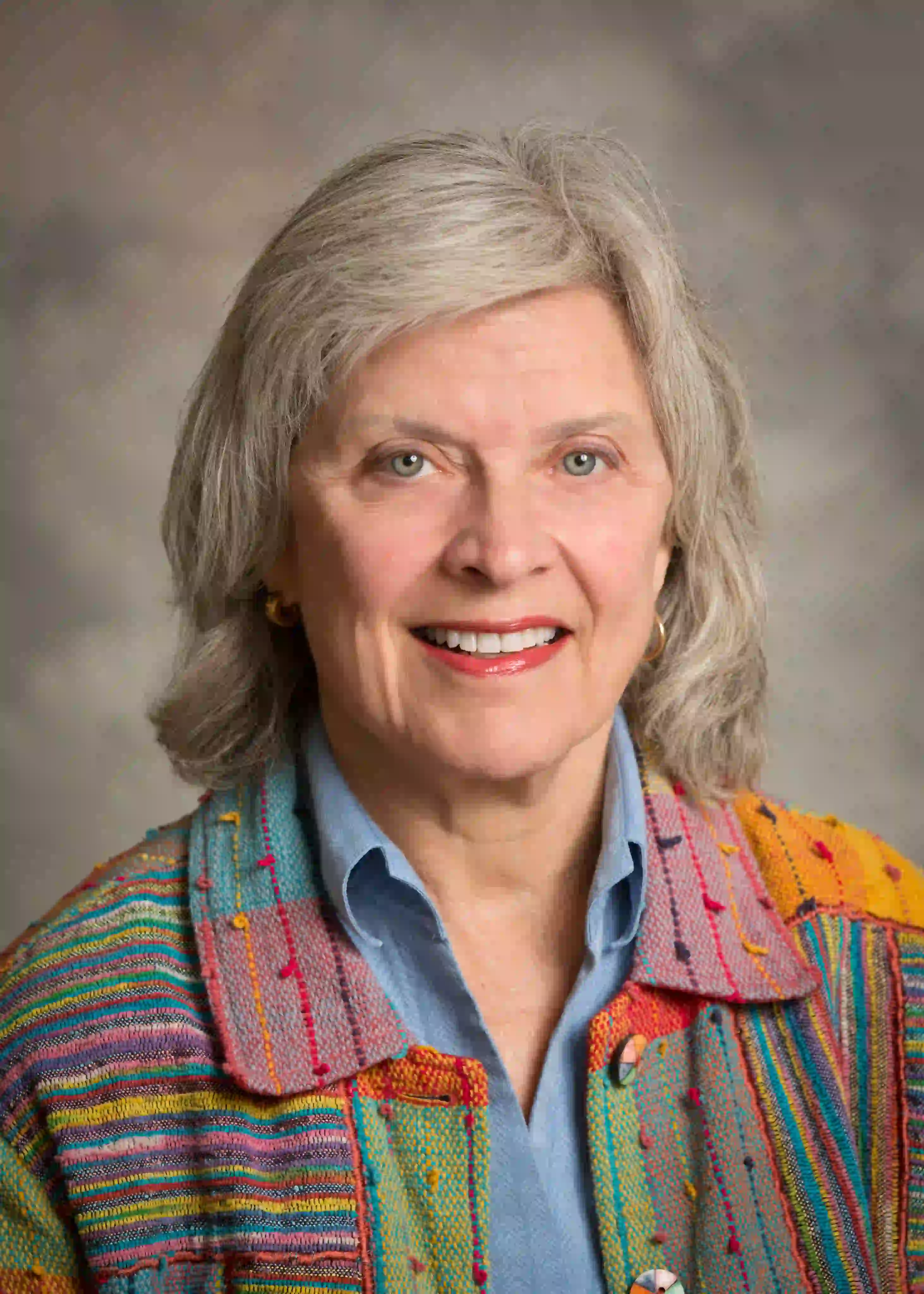
Dr. Mary Lake Polan, MD, PhD
Professor Emerita, Obstetrics & Gynecology, Stanford University School of Medicine
Leader in women’s health, reproductive endocrinology, metabolism, and digital health for women.
Mary Lake Polan (born 1943) is an American obstetrician and gynecologist whose research on genetics and hormones involved in reproductive endocrinology, along with her fiction and non-fiction books on related subjects, helped normalize the general public's understanding of in-vitro fertilization during the 1970s through the 1990s. A Las Vegan, she grew up in the aftermath of World War II in a large Jewish family and developed an interest in medicine due to her father's work in ophthalmology.
Having a varied education at several institutions growing up, along with multiple trips abroad to Europe to study, Polan eventually began doing research and teaching at Yale and Stanford. She would continue doing international trips to both learn about and spread knowledge of reproductive medicine to other countries, including Iran, China, and Eritrea. In 1988, she published a popular science mystery novel that went into detail on how in-vitro fertilization is practiced, giving insights that lessened public fears about the new technologies involved.
A member of multiple professional societies and organizations, she was also made a member of multiple governmental committees and organization boards involved in women's medicine and health. She was named a "Giant in Obstetrics and Gynecology" by the American Journal of Obstetrics and Gynecology in 2022 for her work.
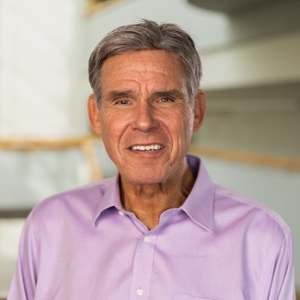
Dr. Eric Topol, MD
Professor, Scripps Research; Founder & Director, Scripps Research Translational Institute
World’s most influential voice in digital health, AI medicine, wearables, and smart sensors

