

The term "impact factor" traditionally quantifies the influence of academic journals within scientific communities. However, this article re-contextualizes the concept, proposing a "personal sleep impact factor" as a holistic measure of an individual's sleep quality and its subsequent effect on overall health and well-being. This framework is defined by five data-backed, quantifiable metrics: sleep duration, sleep consistency, sleep architecture (staging), sleep efficiency and latency, and key physiological markers like heart rate variability (HRV) and resting heart rate. An examination of these components reveals their intricate connections to cognitive performance, emotional regulation, metabolic health, and immune function. By moving beyond a simple measure of hours slept, this personal sleep impact factor offers a more nuanced and actionable understanding of sleep health. The article explores the scientific underpinnings of each metric, discusses the consequences of their neglect, and presents strategies for improvement, emphasizing the role of modern wearable technology in tracking and optimizing these vital signs for a better quality of life.
When you hear the phrase "impact factor," your mind might not immediately jump to your nightly slumber. In the world of research and academia, the term has a very specific meaning. A "sleep journal impact factor" refers to a metric that gauges the importance of a scientific journal, like SLEEP or the Journal of Sleep Research, within its field (academic.oup.com). It is calculated based on how many times, on average, articles published in that journal are cited by other researchers over a specific period. A high sleep journal impact factor suggests that the research published is influential, widely read, and shaping the future of sleep science (Randerath, 2026). It's a measure of academic prestige and influence.
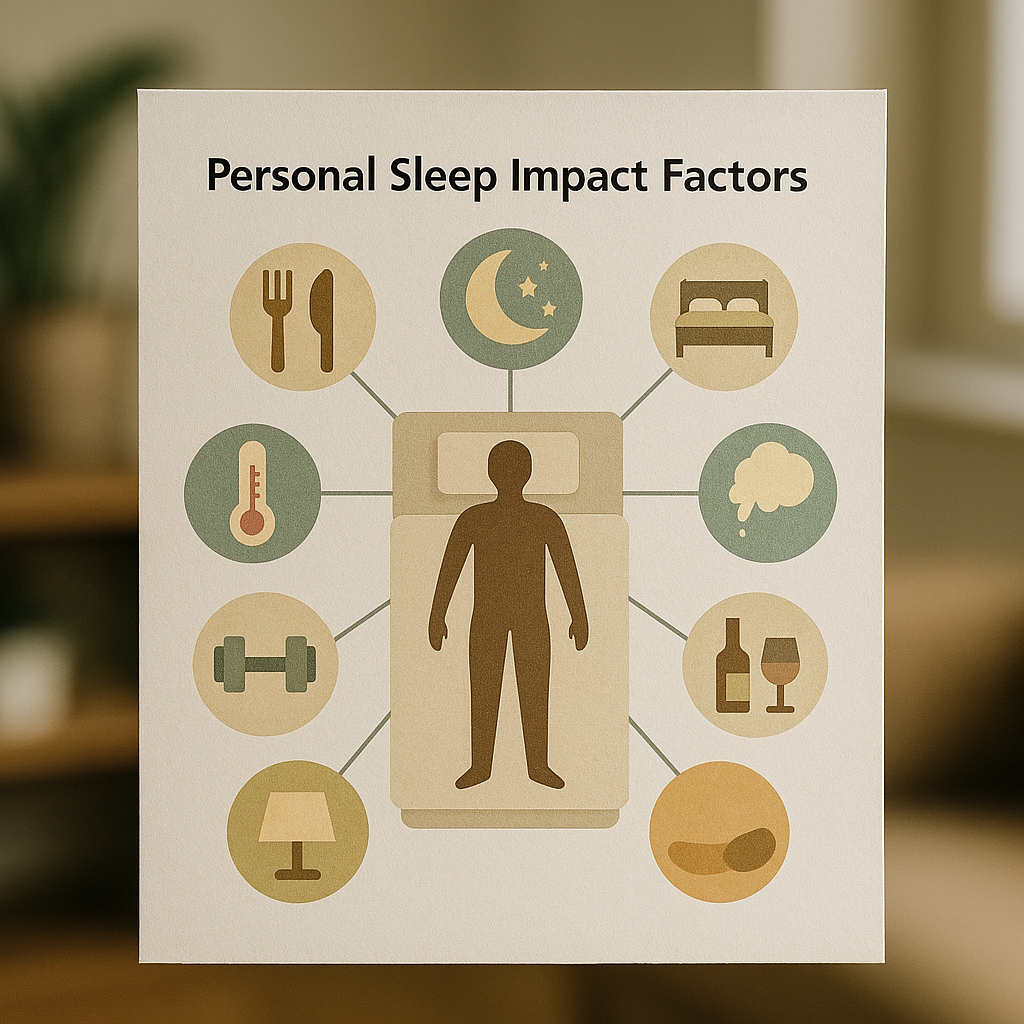
But what if we could borrow this concept and apply it to our own lives? Imagine a metric that doesn't measure the influence of a journal, but rather the profound impact of your own sleep on your daily life, your health, and your longevity. This is the essence of what we will call your personal "sleep impact factor." It moves the idea from the library to the bedroom, from the abstract to the deeply personal. Your personal sleep impact factor is a composite score of your sleep health, reflecting how well your body and mind are recovering, repairing, and resetting each night. It acknowledges that the true measure of sleep isn't just one number but a collection of interconnected data points that tell a story about your well-being.
Thinking about a personal sleep impact factor requires a shift in perspective. Instead of asking, "How many hours did I sleep?" we begin to ask more nuanced questions: "How restorative was my sleep? Was my body under stress? Did my brain get the deep cleaning it needed?" This shift is about moving from quantity to quality. While a high sleep journal impact factor helps scientists, a high personal sleep impact factor helps you live a healthier, more vibrant life. It is the ultimate measure of the sleep and health benefits you are reaping.
To help clarify this distinction, consider the different goals and components of these two concepts.
| Feature | Academic Sleep Journal Impact Factor | Personal Sleep Impact Factor |
|---|---|---|
| Primary Goal | To measure the influence and prestige of a scientific journal in its field. | To measure the restorative quality of an individual's sleep and its effect on their health. |
| Key Components | Number of citations, publication frequency, journal's standing. | Sleep duration, consistency, sleep stages (REM, Deep), efficiency, physiological markers (HRV). |
| Who It Benefits | Researchers, academics, publishers, and scientific institutions. | The individual seeking to improve their health, performance, and well-being. |
| How It's Measured | Through bibliometric analysis by organizations like Clarivate. | Through personal tracking with devices like smart rings, watches, and other sensors. |
| Desired Outcome | High citation rates, indicating influential research. | Improved physical health, cognitive function, emotional stability, and longevity. |
Understanding this distinction is the first step toward taking control of your health in a more meaningful way. The metrics used for a sleep journal impact factor are external and abstract. The metrics for your personal sleep impact factor are internal, tangible, and, most importantly, modifiable. In the following sections, we will explore the five core metrics that constitute your personal sleep impact factor, providing you with the knowledge to not just measure it, but to actively improve it.
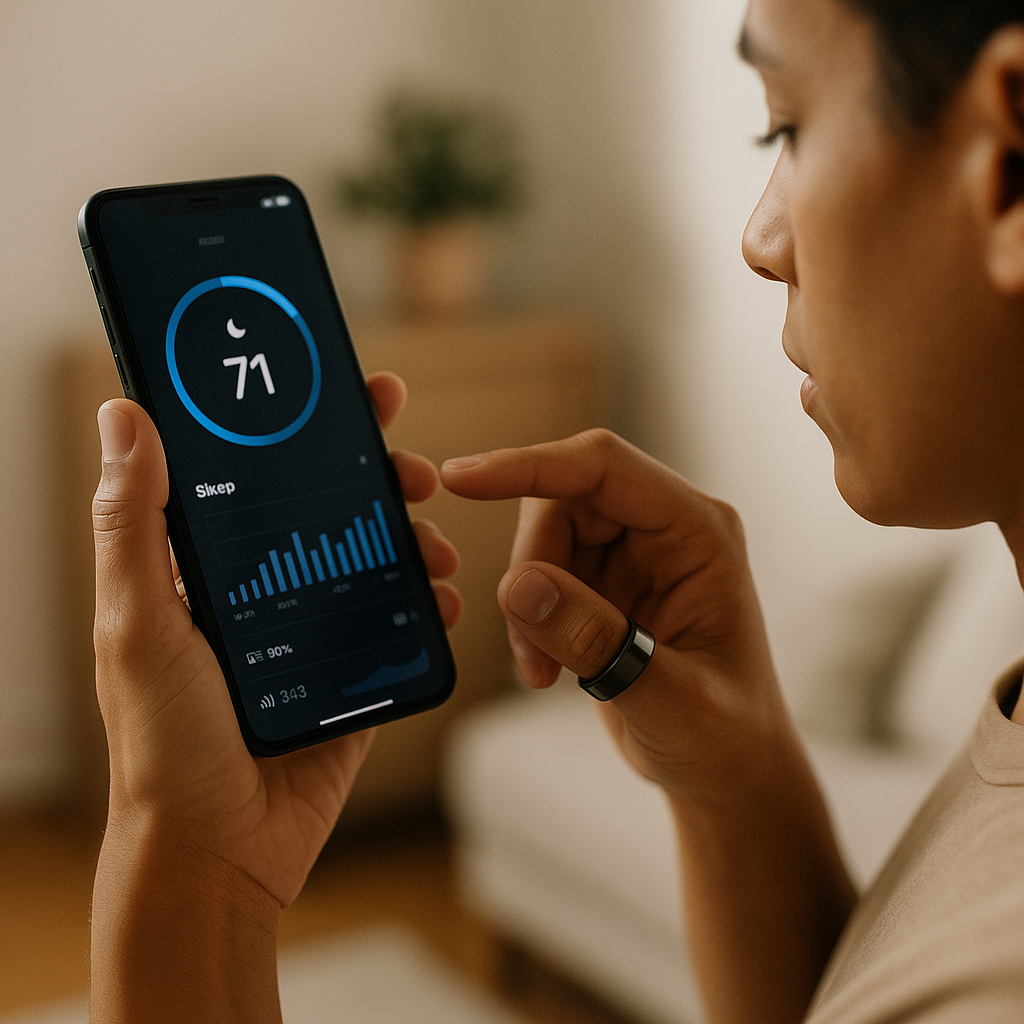
Of all the components that contribute to your personal sleep impact factor, sleep duration is perhaps the most familiar. It is the total amount of time you spend asleep, and it forms the bedrock upon which all other aspects of sleep quality are built. For decades, public health messaging has centered on the simple directive to "get more sleep," and for good reason. Chronic sleep deprivation is a pervasive issue with far-reaching consequences for both individual and public health. However, a sophisticated understanding of duration goes beyond a single number, involving considerations of age, genetics, and daily demands.
A common misconception is that sleep is a passive state of inactivity. Nothing could be further from the truth. During sleep, your body is engaged in a host of vital activities that are simply not possible during wakefulness. Think of it as the body's essential maintenance and repair shift. Without a long enough shift, critical tasks are left unfinished, leading to a cumulative deficit that impairs nearly every system in the body. Achieving an adequate sleep duration is non-negotiable for a high sleep impact factor.
The functions performed during a full night of sleep are extensive. On a cognitive level, sleep is indispensable for memory consolidation. The brain replays, sorts, and stores the information acquired during the day, strengthening neural pathways for important memories while pruning away irrelevant data. This process is fundamental for learning, problem-solving, and creativity. A study by Yoo et al. (2007) famously demonstrated that a single night of sleep deprivation can impair the brain's ability to commit new experiences to memory by nearly 40%. Insufficient duration directly sabotages your ability to learn and adapt.
Physically, sleep is a time of profound restoration. The pituitary gland releases growth hormone, which facilitates the repair of tissues, muscles, and bones. The immune system becomes highly active, producing and releasing cytokines, which are proteins that target infection and inflammation. When you cut sleep short, you are effectively weakening your body's natural defenses, making you more susceptible to illnesses from the common cold to more serious conditions. The relationship between sleep and health benefits is most directly observed here; without enough time, the body cannot adequately heal itself.
Emotionally, sleep duration is tightly linked to mood regulation. The prefrontal cortex, the brain's center for executive function and emotional control, is highly sensitive to sleep loss. When deprived of sleep, its connection to the amygdala, the brain's emotional rapid-response center, becomes weakened. The result is a more reactive, volatile emotional state, characterized by increased irritability, anxiety, and a diminished capacity to cope with stress. A healthy sleep duration is a prerequisite for emotional resilience and a positive outlook.
The "eight-hour" rule is a well-known heuristic, but the optimal sleep duration is not one-size-fits-all. It varies significantly across the lifespan and even between individuals of the same age. The National Sleep Foundation provides evidence-based guidelines that serve as an excellent starting point:
While these ranges cover most of the population, genetic factors can also play a role. A small percentage of people possess a "short sleeper" gene that allows them to function optimally on as little as six hours of sleep per night without apparent ill effects. Conversely, others may naturally require more than nine hours to feel fully rested. The key is to pay attention to your own body's signals. If you consistently wake up feeling tired, rely on caffeine to get through the day, or feel drowsy during monotonous activities, it is a strong indication that you are not meeting your personal sleep need, regardless of what the clock says. This self-awareness is crucial for optimizing your personal sleep impact factor.
The immediate effects of a short night's sleep are obvious: fatigue, poor concentration, and grumpiness. However, the long-term consequences of chronic sleep restriction are far more insidious and contribute significantly to a low sleep impact factor. Over time, consistently failing to meet your sleep needs elevates your risk for a number of chronic health conditions.
Metabolically, sleep loss impairs insulin sensitivity, forcing the pancreas to work harder to regulate blood sugar. This creates a state of pre-diabetes and dramatically increases the risk of developing type 2 diabetes. Furthermore, sleep deprivation disrupts the hormones that regulate appetite—ghrelin (the "hunger hormone") increases, while leptin (the "satiety hormone") decreases. This hormonal imbalance leads to increased cravings for high-calorie, carbohydrate-rich foods, contributing to weight gain and obesity.
Cardiovascular health is also compromised. Insufficient sleep is associated with higher blood pressure, systemic inflammation, and an increased risk of heart attack and stroke. The nightly dip in blood pressure that should occur during healthy sleep is blunted, placing sustained stress on the heart and blood vessels.
Ultimately, sleep duration is the quantitative foundation of your sleep health. Without a sufficient amount of time dedicated to sleep, the quality of that sleep becomes a secondary concern. It is the first and most fundamental metric to address when seeking to improve your overall sleep impact factor and unlock the full spectrum of sleep and health benefits.
While sleep duration lays the foundation, sleep consistency provides the architectural stability for a high personal sleep impact factor. Consistency refers to maintaining a regular sleep-wake schedule, going to bed and waking up at roughly the same time every day, including on weekends. This practice may seem mundane or even restrictive in our modern, 24/7 culture, but from a biological perspective, it is one of the most powerful levers we can pull to enhance our well-being. Its importance is rooted in the body's master internal clock, the circadian rhythm.
Imagine your body as a complex orchestra, with countless physiological processes that need to perform in harmony. The conductor of this orchestra is your circadian rhythm, a roughly 24-hour cycle governed by a cluster of nerve cells in the brain called the suprachiasmatic nucleus (SCN). This master clock synchronizes everything from hormone release and body temperature to metabolism and alertness. For this conductor to lead effectively, it needs consistent cues from the outside world, the most powerful of which is light, followed by the timing of your sleep and meals.
When your sleep schedule is erratic—staying up late on Friday and Saturday and then sleeping in to "catch up"—you are essentially giving your conductor conflicting instructions. This creates a state of internal chaos known as circadian misalignment or, more colloquially, "social jetlag."
The term social jetlag was coined by chronobiologist Till Roenneberg to describe the discrepancy between our biological clock and our social clock (the schedules imposed by work, school, and social life). When you force yourself to wake up with an alarm at 6 a.m. on a weekday but would naturally sleep until 9 a.m. on a weekend, you are experiencing three hours of social jetlag. You are, in effect, flying from New York to Los Angeles and back every single weekend without ever leaving your home.
This constant shifting of your sleep schedule has profound consequences that degrade your sleep impact factor. Each time you drastically alter your wake-up time, you are forcing your internal clock to reset. The body's systems, which were anticipating a certain pattern, are thrown into disarray. The release of cortisol (the "stress hormone") and melatonin (the "sleep hormone") becomes dysregulated. Your digestive system, expecting food at certain times, struggles to adapt. This misalignment is not just a feeling of grogginess on Monday morning; it is a physiological stressor with cumulative effects.
Research has linked social jetlag to a host of negative health outcomes. A study published in Current Biology found that for every hour of social jetlag, the risk of obesity increased by 33% (Roenneberg et al., 2012). Other studies have connected it to an increased risk of metabolic syndrome, type 2 diabetes, and cardiovascular disease. The constant internal desynchronization contributes to chronic inflammation and impairs the body's ability to effectively manage glucose and lipids. Improving sleep consistency is therefore a direct strategy for mitigating these risks.
Conversely, maintaining a consistent sleep schedule provides powerful sleep and health benefits. When your body can anticipate when it will sleep and when it will be awake, it can optimize its internal processes accordingly.
Building a consistent sleep schedule can be challenging, especially when social or professional obligations pull you in different directions. The goal is not absolute perfection but a dedicated effort to minimize variability.
In the symphony of sleep, duration provides the notes, but consistency provides the rhythm. Without a steady tempo, the music becomes chaotic and dissonant. By prioritizing a regular sleep-wake schedule, you act as a skilled conductor for your own body, ensuring all its systems play in beautiful, life-sustaining harmony.
If duration is the length of your sleep and consistency is its timing, then sleep staging—or sleep architecture—is its internal structure. A full night's sleep is not a monolithic block of unconsciousness. Instead, it is a dynamic and cyclical journey through several distinct stages, each with a unique brainwave pattern and a specific set of restorative functions. Understanding the roles of these stages and ensuring you get a healthy balance of each is absolutely vital for a high personal sleep impact factor.
Think of your nightly sleep as a team of specialized workers performing different tasks. You have the "physical repair crew," the "mental filing clerk," and the "emotional therapist." For your body and mind to be fully restored by morning, each of these crews needs enough time to complete its job. A disruption in one stage can have ripple effects, compromising the overall quality of your sleep, even if the total duration seems adequate.
Sleep is broadly divided into two main types: Non-Rapid Eye Movement (N-REM) sleep and Rapid Eye Movement (REM) sleep. Throughout the night, you cycle through these stages multiple times, with each cycle lasting approximately 90-110 minutes.
| Sleep Stage | Primary Function | Typical Percentage (Adult) | Key Characteristics |
|---|---|---|---|
| N1 (Light Sleep) | Transition to sleep | 5-10% | Drowsiness, muscle twitches, easy to awaken. |
| N2 (Light Sleep) | Memory consolidation begins | 45-55% | Body temperature drops, heart rate slows, sleep spindles and K-complexes appear. |
| N3 (Deep Sleep) | Physical repair and restoration | 15-25% | Slow-wave brain activity, difficult to awaken, growth hormone release, glymphatic clearance. |
| REM Sleep | Emotional processing, dreaming | 20-25% | Rapid eye movements, muscle atonia (paralysis), vivid dreaming, memory reconsolidation. |
Let's explore the critical roles of the main players: Deep Sleep and REM Sleep.
Deep sleep, also known as slow-wave sleep (SWS), is the most physically restorative stage of sleep. It is characterized by high-amplitude, low-frequency delta waves in the brain. During this stage, you are most difficult to awaken, and if you are woken up, you will likely feel groggy and disoriented for some time. The body prioritizes deep sleep, so most of it occurs in the first half of the night.
The work performed during deep sleep is fundamental to your physical health and contributes immensely to the sleep and health benefits you experience:
Factors that can rob you of deep sleep include alcohol consumption (especially close to bedtime), elevated core body temperature, and chronic stress. A low amount of deep sleep is a major red flag for a poor sleep impact factor.
After cycling through the N-REM stages, you enter REM sleep. This stage is a paradox: your brain is highly active, with brainwave patterns that resemble wakefulness, yet your body's voluntary muscles are completely paralyzed (a state called atonia). This paralysis is a protective mechanism that prevents you from acting out your often-vivid dreams. Most REM sleep occurs in the second half of the night, with the longest periods happening just before you wake up.
REM sleep is crucial for your mental and emotional well-being:
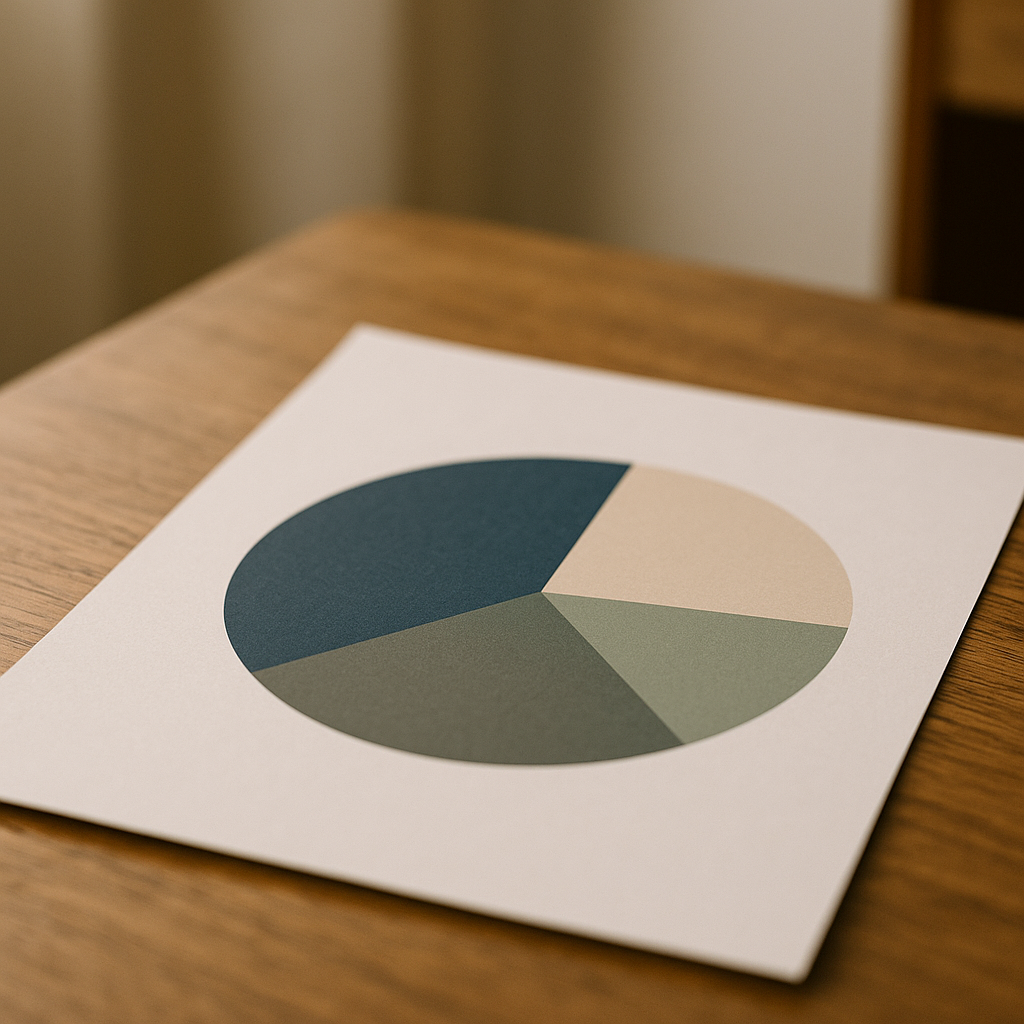
REM sleep is particularly sensitive to disruptions from alcohol, certain medications (like some antidepressants), and inconsistent wake-up times, as cutting sleep short in the morning disproportionately affects this final stage.
A healthy sleep architecture, with adequate time spent in both deep and REM sleep, is a hallmark of a high sleep impact factor. Modern wearable technology, like the MAYISSI smart ring, can provide nightly estimates of your time in each stage, offering invaluable feedback. By tracking these patterns, you can see how lifestyle choices—like a late-night meal or an evening workout—affect your sleep structure and make adjustments to ensure both your body and mind are getting the specialized restoration they need each night.
Having established the importance of how long you sleep (duration), when you sleep (consistency), and the internal structure of your sleep (staging), we now turn to two metrics that measure the quality of the transition into sleep and the consolidation of that sleep: sleep latency and sleep efficiency. These components are powerful indicators of the overall health of your sleep process and are significant contributors to your personal sleep impact factor. They answer two fundamental questions: "How long does it take me to fall asleep?" and "How much of my time in bed am I actually asleep?"
Think of it like a long-distance flight. The duration is the total flight time. The efficiency is how much of that time was spent smoothly cruising at altitude versus being stuck on the tarmac or experiencing turbulence. The latency is how long it took for the plane to take off after you boarded. A flight with a long delay and lots of turbulence is frustrating and inefficient, even if it eventually gets you to your destination. The same is true for your sleep.
Sleep latency is the amount of time it takes you to fall asleep after turning the lights out. In a clinical setting, it is a key diagnostic criterion for certain sleep disorders. For the average person, it is a useful barometer of the alignment between your body's sleep drive and your bedtime.
Improving a long sleep latency often involves behavioral and environmental adjustments. Creating a relaxing "wind-down" routine in the hour before bed—such as reading a physical book, taking a warm bath, or practicing mindfulness meditation—can help signal to your brain and body that it is time to prepare for sleep. It is also crucial to reserve the bed for sleep and intimacy only. If you are still awake after 20-30 minutes, it is better to get out of bed, go to another dimly lit room, and do something calming until you feel sleepy again. This prevents your brain from forming an association between your bed and a state of frustrated wakefulness.
Sleep efficiency is a percentage calculated by dividing your total sleep time by your total time spent in bed. For example, if you spend 8 hours (480 minutes) in bed but are only asleep for 7 hours (420 minutes) of that time, your sleep efficiency is (420 / 480) * 100 = 87.5%.
Many factors can lead to poor sleep efficiency and a lower sleep impact factor. These include:
Improving sleep efficiency involves a systematic approach to identifying and eliminating these disruptions. This is the core of what is known as "sleep hygiene." This includes optimizing your bedroom environment to be cool, dark, and quiet. It means avoiding stimulants and large meals before bed. It also involves managing stress through techniques like journaling or therapy.
Both sleep latency and sleep efficiency are powerful metrics because they provide direct feedback on how well your behaviors and environment are supporting your sleep. They are less about the deep internal biology of sleep stages and more about the practicalities of your relationship with sleep. By working to shorten your sleep latency and increase your sleep efficiency, you are ensuring that the time you dedicate to sleep is being used as effectively as possible, thereby boosting your overall sleep impact factor and maximizing the sleep and health benefits you receive each night.
The final and perhaps most advanced set of metrics for determining your personal sleep impact factor are the physiological markers that can be tracked non-invasively by modern wearable devices. While the previous metrics focus on the timing and structure of sleep, these markers provide a direct window into your body's underlying physiological state during sleep. The two most important of these are your Resting Heart Rate (RHR) and your Heart Rate Variability (HRV). They reveal the activity of your Autonomic Nervous System (ANS) and provide a powerful indication of your body's recovery and readiness for the day ahead.
The ANS is the body's automatic control system, regulating functions like heart rate, digestion, and respiration without your conscious input. It has two main branches:
A healthy, resilient individual has a flexible ANS that can quickly shift between these two states as needed. During the day, the sympathetic system might dominate during a workout or a stressful meeting. During periods of relaxation and sleep, the parasympathetic system should take over. Your RHR and HRV during sleep tell the story of which system is in the driver's seat.
Your resting heart rate is the number of times your heart beats per minute while you are at complete rest. For most adults, a healthy RHR is between 60 and 100 beats per minute, but for well-conditioned individuals, it can be much lower, often in the 40s or 50s.
During sleep, your heart rate naturally decreases, typically reaching its lowest point in the first half of the night, coinciding with your periods of deep sleep. This nightly dip is a sign of healthy parasympathetic dominance and is crucial for allowing the cardiovascular system to rest and recover.
Tracking your nightly RHR can reveal important trends about your health and lifestyle:
Heart Rate Variability is a more nuanced and powerful metric than RHR. While RHR measures the average number of heartbeats per minute, HRV measures the tiny, millisecond variations in time between each successive heartbeat. It may sound counterintuitive, but a healthy, well-rested, and resilient heart does not beat like a metronome. It has a high degree of variability.
Factors that can lower your nightly HRV are similar to those that elevate your RHR: alcohol, illness, intense late-night workouts, psychological stress, and poor sleep quality. By tracking your HRV, you get a sensitive measure of your body's cumulative stress load. For example, you might feel "fine" after a few nights of short sleep, but your HRV data will likely show a significant drop, revealing the hidden physiological toll. This makes HRV an exceptional tool for optimizing your sleep and health benefits.
By paying attention to your HRV trends, you can learn how your specific lifestyle choices affect your recovery. You might discover that even one alcoholic drink tanks your HRV for the night, or that a 10-minute meditation session before bed gives it a noticeable boost. This kind of personalized, objective feedback, readily available from an advanced sleep tracking ring, is transformative. It allows you to move beyond guessing and start making data-driven decisions to improve your health.
Together, RHR and HRV provide a physiological scorecard for your sleep. They quantify the degree of recovery your body is achieving each night and serve as an early warning system for over-stress and potential illness. Integrating these markers into your understanding of sleep elevates your perspective from simply tracking sleep to truly managing your body's recovery, which is the ultimate goal of achieving a high personal sleep impact factor.
The "personal sleep impact factor" is a concept that adapts the academic idea of a journal's influence to your own health. It is a holistic way to measure how the quality and structure of your sleep are impacting your physical, mental, and emotional well-being. It is not a single score but a collection of key metrics—duration, consistency, sleep stages, efficiency, and physiological markers like HRV—that together paint a comprehensive picture of your nightly recovery.
While getting enough sleep (duration) is crucial, maintaining a consistent sleep-wake schedule (consistency) stabilizes your body's internal 24-hour clock, or circadian rhythm. An erratic schedule creates "social jetlag," which disrupts hormonal cycles, metabolism, and mood, even if you get eight hours of sleep on average. A consistent schedule synchronizes your body's internal processes, leading to more efficient and restorative sleep.
If duration isn't the issue, the next step is to examine the other components of your sleep impact factor. You could have poor sleep efficiency (spending a lot of time in bed awake), a lack of restorative deep or REM sleep, or underlying physiological stress indicated by a high resting heart rate or low heart rate variability (HRV). Tracking these deeper metrics can often reveal the root cause of daytime fatigue.
Alcohol may make you feel drowsy and help you fall asleep faster (decreasing sleep latency), but it severely damages your sleep quality later in the night. It significantly suppresses REM sleep, which is vital for emotional processing, and can cause a "rebound effect" that leads to awakenings in the second half of the night. It also elevates heart rate and tanks HRV, indicating your body is under stress, not at rest.
Modern, high-quality wearables have become quite good at tracking sleep, though they are not yet at the gold-standard level of a clinical polysomnography (PSG) test. They are generally very accurate at distinguishing sleep from wakefulness (for sleep duration and efficiency metrics). Their accuracy for sleep staging (differentiating light, deep, and REM sleep) is good but not perfect, typically in the 70-80% agreement range with PSG. Their greatest strength is in tracking trends over time, allowing you to see how your lifestyle choices consistently affect your sleep patterns.
While a holistic approach is best, one of the most powerful strategies is to establish a consistent wake-up time and get exposed to bright, natural light for 15-30 minutes shortly after waking. This single act provides a powerful anchor for your circadian rhythm, which helps regulate the timing of all other sleep-related processes, making it easier to fall asleep at the right time that evening.
A single low HRV reading isn't cause for panic; it could simply reflect a hard workout, a stressful day, or a late meal. However, a chronically low HRV baseline compared to population norms, or a consistently downward trend, is a signal that your body's "fight or flight" system is overactive. It's a sign of cumulative stress and warrants a closer look at your lifestyle, including sleep habits, nutrition, exercise recovery, and stress management techniques.
The journey from understanding the academic "sleep journal impact factor" to cultivating a high personal "sleep impact factor" is a journey toward profound self-awareness and better health. We have seen that the true measure of sleep's value extends far beyond the simple number of hours spent in bed. It is a rich, multidimensional tapestry woven from the threads of duration, consistency, architecture, efficiency, and deep physiological recovery. Each metric offers a unique lens through which to view your nightly restoration, and together, they provide a comprehensive blueprint for optimizing your well-being.
By embracing the concept of a personal sleep impact factor, you shift your role from a passive recipient of sleep to an active participant in your own health. You learn to recognize that a consistent sleep schedule is a powerful tool for stabilizing your internal biology. You come to appreciate the distinct and vital roles of deep sleep for physical repair and REM sleep for emotional equilibrium. You begin to see your bedroom not just as a place to rest, but as a sanctuary engineered for optimal efficiency and minimal disruption. Most powerfully, through markers like HRV, you gain access to the subtle language of your nervous system, learning to listen to your body's whispers about stress and recovery before they become shouts.
This detailed understanding empowers you to make targeted, informed changes to your daily habits. It transforms sleep from a mysterious and sometimes frustrating experience into a solvable puzzle where your choices have a direct and measurable impact. The sleep and health benefits are not abstract promises; they are the tangible results of a higher sleep impact factor—more energy, a sharper mind, a more stable mood, and a more resilient body. Begin your journey to better health by understanding your sleep, and you will be investing in the very foundation of a long and vibrant life.
Benca, R. M. (2024). Current Sleep Medicine Reports. SpringerLink.
Bracco, A. (2026). Journal of Sleep Research. Wiley Online Library. https://onlinelibrary.wiley.com/journal/13652869
Quan, S. F. (2026). Frontiers in Sleep. Frontiers.
Randerath, W. (2026). Sleep Medicine. ScienceDirect.
Roenneberg, T., Allebrandt, K. V., Merrow, M., & Vetter, C. (2012). Social jetlag and obesity. Current Biology, 22(10), 939–943.
Sleep Research Society. (2026). Journal SLEEP. https://sleepresearchsociety.org/publications/journal-sleep/
SLEEP Journal. (2026). SLEEP. Oxford Academic. https://academic.oup.com/sleep
Yoo, S. S., Hu, P. T., Gujar, N., Jolesz, F. A., & Walker, M. P. (2007). The human emotional brain without sleep—a prefrontal amygdala disconnect. Current Biology, 17(20), R877–R878.

