Sleep is a foundational pillar of human health, yet a significant portion of the global population suffers from insufficient or poor-quality rest. In the United States, this constitutes a widespread public health issue, with sleep deprivation unevenly distributed across the nation. National Sleep Month serves as an annual initiative to elevate public consciousness regarding the profound impact of sleep on cognitive function, mental well-being, and physical health. This guide addresses the pervasive issue of fatigue by proposing a structured, five-step methodology for improving sleep. It advocates for the use of modern technology, such as smart rings, to gather objective data on personal sleep patterns. By moving from subjective feelings of tiredness to an evidence-based understanding of one's sleep architecture, individuals can implement targeted strategies. These steps encompass environmental engineering, daytime habit modification, mental health management, and recognizing the symptoms of clinical sleep disorders, empowering individuals to reclaim their rest and enhance their overall quality of life.
Have you ever found yourself staring at the ceiling at 3 AM, your mind racing while your body aches for rest? Or perhaps you wake up feeling as though you've run a marathon, not rested for eight hours. You are far from alone. We are living in the midst of a silent, pervasive epidemic of sleep deprivation. Across the world, an estimated 33–50% of adults experience symptoms of insomnia, struggling to fall asleep, stay asleep, or achieve the kind of deep, restorative rest that our bodies and minds require. This is not merely a matter of feeling groggy; it is a public health crisis with far-reaching consequences.
In the United States, the problem is particularly acute. Researchers have identified "hotspots" of insufficient sleep, revealing that the burden of fatigue is not shared equally across the country (Grandner et al., 2014). The Centers for Disease Control and Prevention (CDC) has long warned about the dangers, linking poor sleep to a host of chronic conditions. The cultural glorification of "hustle"—the notion that sleep is a luxury to be sacrificed for productivity—has done immense damage. Phrases like "I'll sleep when I'm dead" are not badges of honor; they are admissions of a dangerous disregard for a fundamental biological necessity.
This is why National Sleep Month, observed each March, is so profoundly important. It is a dedicated time to elevate our collective sleep awareness and challenge the cultural norms that undermine our well-being. It is an invitation to move beyond simply accepting tiredness as a fact of modern life and to begin a more intentional, educated relationship with our sleep. The goal of this month-long observance isn't just to disseminate facts; it's to foster a cultural shift where rest is understood not as idleness but as an active, vital process of restoration.
The challenge, however, is that the path to better sleep can feel overwhelming. The internet is saturated with generic advice: "avoid caffeine," "turn off screens," "try meditation." While well-intentioned, this advice often fails because it lacks personalization. Your sleep is as unique as your fingerprint, shaped by your specific biology, environment, and lifestyle. What works for one person may not work for another.
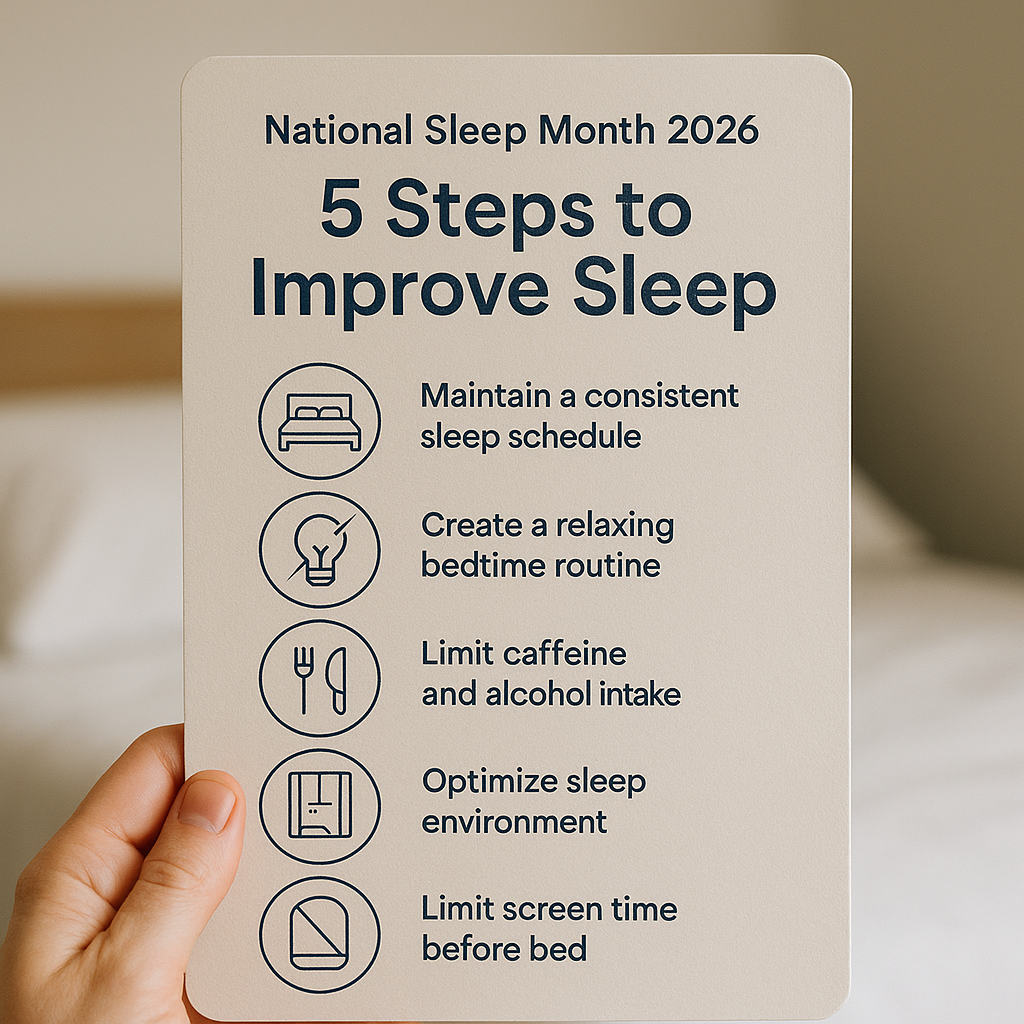
This guide is designed to be different. It is a structured, five-step journey for National Sleep Month 2026, crafted to empower you with knowledge and tools. We will move beyond generic tips and into a data-driven, personalized approach. We will explore the fundamental sleep basics and the intricate sleep science that governs your night. The central idea is to transform you from a passive victim of tiredness into an active, informed architect of your own rest. By leveraging insights from modern wearable health trackers, you can begin to understand the why behind your fatigue and implement strategies that are tailored to you. This National Sleep Month, let's not just talk about being tired. Let's do something about it.
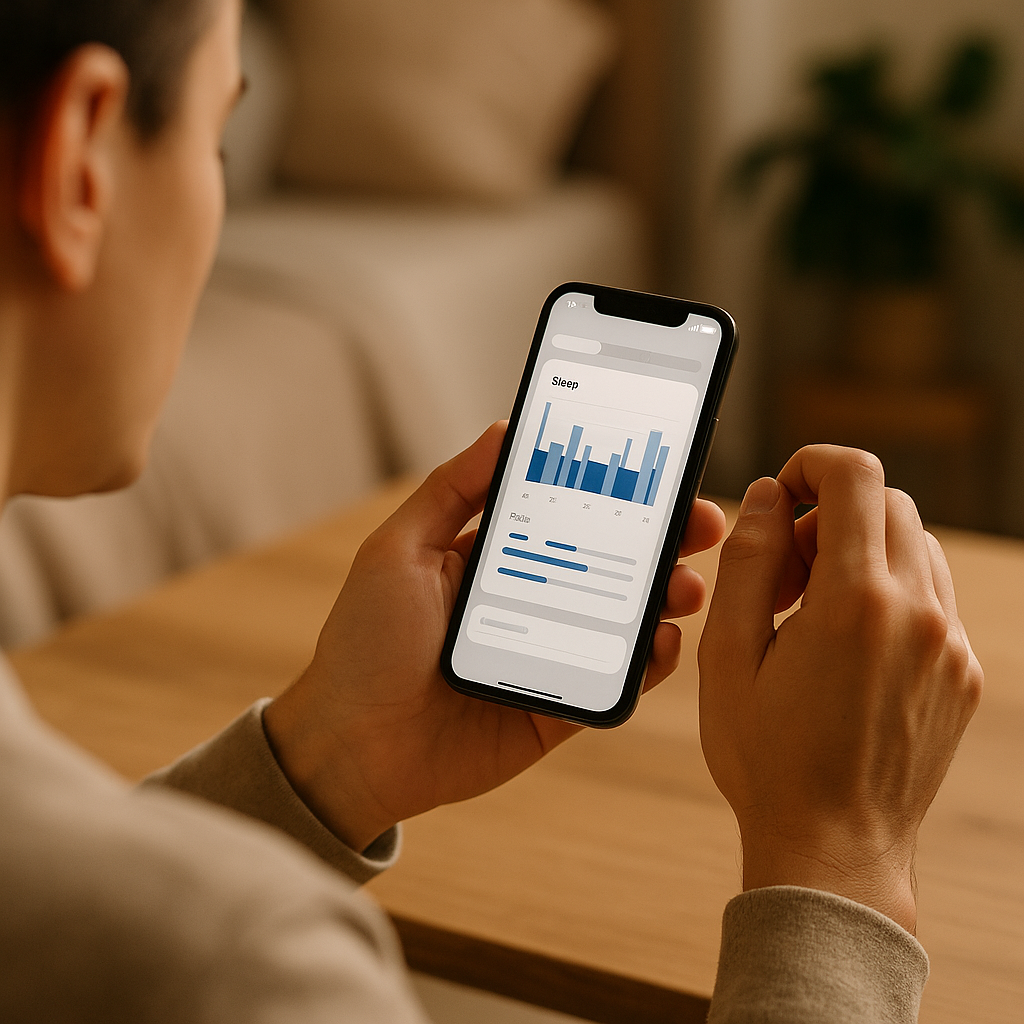
For too long, our understanding of our own sleep has been purely subjective. We wake up and declare, "I slept terribly," or "I feel rested." But what do these statements actually mean? Was it the time it took to fall asleep? The number of times you woke up? A lack of deep sleep? Without objective data, it’s all just guesswork. The first and most transformative step in reclaiming your rest is to move from guessing to knowing. This National Sleep Month, the goal is to become your own sleep detective, and your primary tool is data.
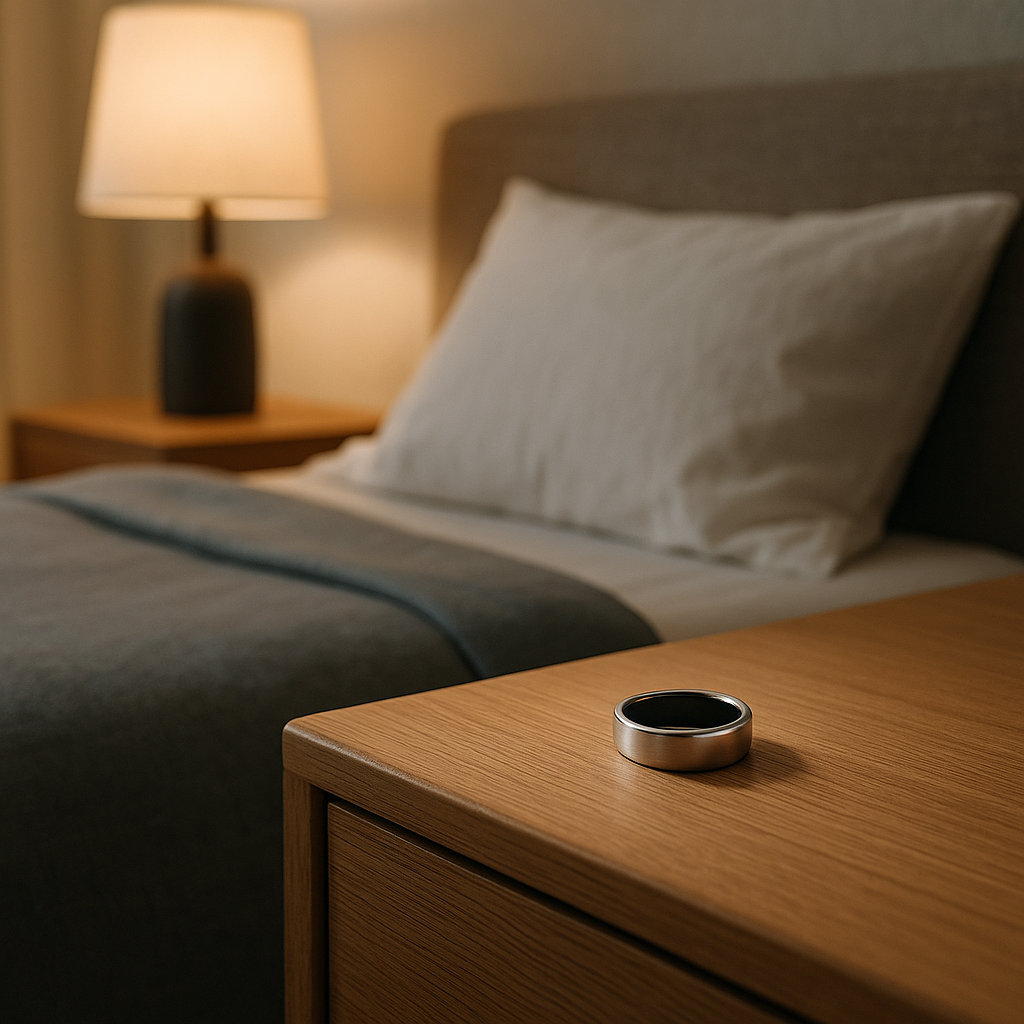
Modern technology has given us an unprecedented window into our own physiology. Devices like smart rings provide detailed nightly reports, turning the black box of sleep into a readable dashboard. This isn't about obsessing over numbers; it's about uncovering the story your body is trying to tell you every night.
The total duration of sleep is only one piece of a much larger puzzle. To truly understand your rest, you need to look at the quality and structure of that sleep. Think of it like a meal: the total calories matter, but so do the macronutrients—the proteins, fats, and carbohydrates. Sleep is similar. Here are the key metrics you should be tracking:
Once you start collecting this data, the real detective work begins. The goal is to connect the numbers on your screen to your real-life behaviors. This is where you start to build a personal narrative of your sleep.
Begin by asking questions and looking for correlations. Did you have a stressful day at work? Look at your HRV and RHR that night. Did they deviate from your baseline? Did you eat a large meal close to bedtime? Check your sleep latency and how much deep sleep you got. Perhaps you tried a 15-minute meditation before bed. Did your sleep latency decrease?
This process of "tagging" your days with specific behaviors and then observing the nightly outcomes is incredibly powerful. It turns abstract advice into concrete, personal feedback. You are no longer just "avoiding alcohol before bed"; you are seeing tangible proof on your sleep report that when you have a glass of wine, your REM sleep is suppressed and your resting heart rate is elevated. This creates a powerful feedback loop that motivates real, lasting behavioral change. The objective of this National Sleep Month exercise is to build this personalized understanding.
Before you jump into making changes, dedicate the first week of your data collection to pure observation. Live your life exactly as you normally would. Don't try to "fix" anything yet. The purpose of this week is to establish an honest baseline. This baseline is your control group; it's the foundation against which you will measure all future experiments.
At the end of the week, review the data. What are your averages? What are the ranges? Do you see a pattern between weekdays and weekends? This baseline is not a judgment. It is simply your starting point. It is the "X" on the map that shows where you are right now. From here, you can begin to chart a course toward where you want to be. This foundational step is a core principle of good sleep science and a perfect project for National Sleep Month.
| Sleep Metric | What It Measures | Typical Healthy Range (for Adults) | Why It Matters for Sleep Quality |
|---|---|---|---|
| Sleep Duration | Total time spent asleep. | 7-9 hours | The foundation of rest. Insufficient duration impairs all cognitive and physical functions. |
| Sleep Latency | Time to fall asleep. | 5-20 minutes | Long latency can indicate stress or anxiety. Very short latency might suggest severe sleep debt. |
| Deep Sleep | Stage of sleep for physical repair. | 13-23% of total sleep | Essential for cellular repair, growth hormone release, and waking up feeling physically refreshed. |
| REM Sleep | Stage of sleep for mental restoration. | 20-25% of total sleep | Crucial for memory consolidation, learning, and emotional regulation. |
| Wake After Sleep Onset | Time awake after falling asleep. | < 30 minutes | High WASO indicates fragmented, non-restorative sleep, often a sign of a sleep disorder. |
| Heart Rate Variability | Variation in time between heartbeats. | Highly individual, focus on trends | A higher, stable HRV indicates a calm, resilient nervous system ready for recovery. |
Once you have a baseline of data from your sleep detective work, the next logical step is to address the external factors that influence your night. Your bedroom should be a sanctuary for sleep, but for many of us, it has become a multipurpose room—an office, a cinema, a dining room. Reclaiming the bedroom for its primary purpose is a cornerstone of good sleep hygiene. The science is unequivocal: a cool, dark, and quiet environment is not a luxury but a prerequisite for high-quality sleep. This National Sleep Month, let's focus on turning your bedroom into the perfect sleep cave.
Your body's internal clock, the circadian rhythm, is powerfully influenced by external cues, the most significant of which is light. However, temperature and sound also play a vital role in signaling to your brain that it's time to power down. By optimizing these three elements, you create an environment that works with your biology, not against it.
Let's break down the science behind this classic advice.
In the modern world, the most significant threat to a dark environment comes from our screens. The blue-wavelength light emitted by smartphones, tablets, and computers is particularly potent at suppressing melatonin. Your brain interprets this blue light as midday sun, creating a profound disconnect between the actual time and your internal clock.
This is why creating a "digital sunset" is so important. This means establishing a firm rule to put away all screens at least 60-90 minutes before your intended bedtime. This period is not dead time; it is your wind-down routine. Replace scrolling with activities that signal to your body and mind that the day is ending. Read a physical book (under dim, warm light), listen to calming music or a podcast, do some gentle stretching, or take a warm bath. A warm bath can be particularly effective, as the subsequent drop in body temperature after you get out mimics the natural temperature drop required for sleep. This wind-down period is a non-negotiable part of good sleep science and a key focus for sleep awareness.
Your sleep environment isn't just about the eight hours you spend in bed; it's a 24-hour concept. To get your night right, you have to get your day right. The most important thing you can do to promote good sleep at night is to get bright light exposure during the day, especially in the morning.
Think of your circadian rhythm like an anchor. Morning sunlight is what drops that anchor, setting your entire 24-hour cycle in motion. Exposing your eyes to natural sunlight for 10-15 minutes within the first hour of waking tells your body's master clock, located in a part of the brain called the suprachiasmatic nucleus (SCN), to start the daily timer. This single act helps to consolidate your sleep at night, making it deeper and more efficient. It also helps to ensure that melatonin production begins at the appropriate time in the evening.
If you live in a climate with little natural light, consider a light therapy lamp. Spending time in bright, natural light during the day is just as important as creating darkness at night. This is a simple but profound principle of sleep science that is often overlooked. Taking this step is a powerful way to honor the spirit of National Sleep Month by aligning your life with your own biology.
After optimizing your sleep environment, the next frontier in your quest for better rest is your daytime behavior. It’s a common misconception to think of sleep as a separate event that happens only at night. In reality, the quality of your sleep is a direct reflection of the 16 hours you spend awake. Your choices regarding schedule, food, and movement create a cascade of hormonal and neurological signals that either prepare you for a night of restorative rest or set you up for a battle with insomnia. This National Sleep Month, let's shift the focus from what you do in the two hours before bed to what you do all day long.
The human body thrives on rhythm and predictability. Your circadian system is a finely tuned internal orchestra, and it performs best when it has a consistent tempo. When your daily habits are chaotic, it's like asking the orchestra to play a complex symphony without a conductor. The result is biological noise that disrupts sleep.
If there is one "magic bullet" for improving sleep, it is schedule consistency. Going to bed and, more importantly, waking up at the same time every day—yes, even on weekends—is the single most effective thing you can do to stabilize your circadian rhythm.
When you wake up at 6 AM on weekdays and 10 AM on weekends, you are essentially giving yourself four hours of jet lag every Friday night. Your body's internal clock doesn't know what a weekend is. This inconsistency sends confusing signals, disrupting the precise timing of hormone release, body temperature fluctuations, and metabolic processes. It can make it harder to fall asleep on Sunday night and more painful to wake up on Monday morning, a phenomenon often called "social jetlag."
Choose a wake-up time that you can stick to seven days a week. It might feel like a sacrifice at first, but after a week or two, your body will adapt. You will start to wake up naturally just before your alarm, and your energy levels throughout the day will become more stable. Use your sleep data to observe the effect. Compare a week of consistent wake times to a week of variable ones. You will likely see a more stable sleep structure, a shorter sleep latency, and a more consistent HRV. This is a core tenet of sleep basics that everyone can implement.
What you eat, and when you eat it, has a profound impact on your sleep. Certain substances act as direct stimulants or disruptors, while the timing of your meals can influence your circadian rhythm.
Regular physical activity is one of the most effective natural sleep aids available. Exercise has been shown to increase the amount of time you spend in deep sleep, the most physically restorative stage. It also helps to reduce stress and anxiety, which are common causes of insomnia. The National Sleep Foundation recommends at least 30 minutes of moderate exercise five days a week for better sleep.
However, the timing of your exercise matters. For most people, exercising in the morning or afternoon is ideal. It raises your body temperature and alertness during the day, which can help reinforce a strong circadian rhythm. An intense workout too close to bedtime (within 2-3 hours) can be counterproductive for some individuals. It elevates cortisol and body temperature, which can make it difficult to wind down.
Listen to your body and use your sleep data as a guide. Some people find that a vigorous evening workout leaves them energized and unable to sleep, while others find it helps them unwind. Gentle, restorative activities like yoga or stretching in the evening are almost universally beneficial. Experiment and see what your data tells you. This personalized approach to sleep science is what National Sleep Month is all about.
| Time of Day | Activity | Rationale for Sleep Health |
|---|---|---|
| 7:00 AM | Wake up & get 15 mins of sunlight. | Sets the circadian clock for the day, promoting alertness and timing melatonin release for the evening. |
| 8:00 AM | Eat a protein-rich breakfast. | Stabilizes blood sugar and provides sustained energy, preventing mid-day crashes. |
| 12:00 PM | Eat lunch & take a short walk outside. | Another dose of daylight reinforces the circadian rhythm. Movement aids digestion and reduces afternoon slump. |
| 3:00 PM | Last call for caffeine. | Allows most of the caffeine to be metabolized before bedtime, preventing interference with deep sleep. |
| 6:00 PM | Engage in moderate exercise. | Helps to build "sleep pressure" and reduce stress. Timing it here avoids over-stimulation before bed. |
| 7:30 PM | Eat a balanced, light dinner. | Finishes the main meal at least 3 hours before bed, allowing the digestive system to rest overnight. |
| 9:30 PM | Begin "Digital Sunset" wind-down. | Puts away screens to avoid blue light, which suppresses melatonin. Signals to the brain that the day is over. |
| 10:30 PM | Engage in a relaxing activity. | Reading a book, gentle stretching, or meditation. Lowers cortisol and calms the nervous system. |
| 11:00 PM | Go to bed in a cool, dark, quiet room. | Provides the optimal environment for initiating and maintaining high-quality, restorative sleep. |
You can have the perfect sleep environment and flawless daytime habits, but if your mind is racing, sleep will remain elusive. For millions of people, the primary obstacle to a good night's rest is not external but internal. The inability to "switch off" the brain is a hallmark of modern life and a leading cause of insomnia. The connection between mental health and sleep is a powerful, bidirectional street: stress and anxiety disrupt sleep, and poor sleep exacerbates stress and anxiety. The CDC notes a strong correlation between poor sleep and mental health conditions (CDC, 2021). This National Sleep Month, it's vital to acknowledge and address the psychological dimension of sleep.
This is not about a lack of willpower. When you are under stress, your body is in a state of hyperarousal. Your sympathetic nervous system—the "fight or flight" mechanism—is activated, flooding your body with hormones like cortisol and adrenaline. This is a primal survival response designed to keep you awake and vigilant in the face of danger. The problem is, your brain can't distinguish between the threat of a predator and the threat of an impending work deadline or a difficult conversation. The physiological response is the same.
Have you ever laid in bed replaying conversations from the day, worrying about tomorrow's to-do list, or experiencing a sudden jolt of anxiety about a forgotten task? This is your sympathetic nervous system at work. It's keeping your heart rate elevated, your muscles tense, and your mind on high alert. You cannot fall asleep in this state because your body is biologically programmed not to.
The goal, then, is to learn how to consciously shift your nervous system from this "fight or flight" mode to the "rest and digest" mode, which is governed by the parasympathetic nervous system. This is not a passive process; it is an active skill that can be learned and practiced. It's about sending deliberate signals of safety to your brain and body, letting them know that it's okay to power down. This practice is a key component of sleep awareness.
Your wind-down routine, the 60-90 minutes before bed, is the perfect time to practice shifting your nervous system. This is your "cool-down" for the mind. Here are some evidence-based techniques:
For those with chronic insomnia, these relaxation techniques may not be enough. If you have been struggling with sleep for months or years, you may have developed unhelpful thought patterns and behaviors around sleep itself. The bed may have become a place of anxiety rather than rest.
In these cases, the gold-standard, evidence-based treatment is Cognitive Behavioral Therapy for Insomnia (CBT-I). CBT-I is a structured program that helps you identify and change the thoughts and behaviors that are preventing you from sleeping. It is not about sleep medication; it is about retraining your brain and body for sleep. Key components of CBT-I include:
CBT-I is highly effective and is recommended as the first-line treatment for chronic insomnia by the American College of Physicians. Many psychologists are trained in CBT-I, and there are now effective digital CBT-I programs available online. Recognizing the power of this therapy is a significant step in sleep awareness and a productive goal for this National Sleep Month.
Self-help strategies, data tracking, and good sleep hygiene are incredibly powerful tools that can resolve many common sleep problems. However, it is equally important to recognize when a persistent sleep issue might be a sign of an underlying clinical sleep disorder. These conditions are not a reflection of personal failure or poor habits; they are medical issues that require a professional diagnosis and treatment plan. A key goal of National Sleep Month and broader sleep awareness campaigns is to de-stigmatize sleep disorders and encourage people to seek the help they need.
Ignoring a potential sleep disorder can have serious health consequences. For example, untreated sleep apnea is strongly linked to high blood pressure, heart disease, and stroke. Narcolepsy can lead to dangerous situations like drowsy driving. Thinking your chronic exhaustion is just "normal" can prevent you from getting a diagnosis that could transform your quality of life. Using advanced sleep monitoring devices can provide valuable data to share with a doctor, but they are not a substitute for a clinical evaluation.
Everyone has a bad night of sleep occasionally. A sleep disorder is characterized by a persistent pattern of symptoms that significantly impacts your daytime functioning and well-being. Here are some red flags for common sleep disorders that should prompt a conversation with your healthcare provider:
If you suspect you have a sleep disorder, the first step is to make an appointment with your primary care physician. It can be intimidating to bring up sleep, but being prepared can make the conversation more productive. Here’s how to prepare:
If your doctor suspects a sleep disorder, they will likely refer you to a sleep specialist or for a sleep study (polysomnography). This study is the definitive way to diagnose most sleep disorders. It involves spending a night in a sleep lab (or sometimes using an at-home kit) where your brain waves, breathing, heart rate, and body movements are monitored.
The good news is that there are highly effective treatments for these conditions.
Seeking help is a sign of strength. This National Sleep Month, make a pledge to yourself to take your sleep seriously. If something feels wrong, speak up. A diagnosis can be the first step on a path to better health, more energy, and a renewed enjoyment of life.
National Sleep Month is an annual health observance in the United States that takes place every March. It is designed to raise public awareness about the importance of sleep for overall health and well-being. The month-long initiative encourages people to learn about sleep basics, understand the risks of sleep deprivation, and adopt healthy sleep habits. March is chosen in part because it includes the start of Daylight Saving Time for most of the country, a time change that disrupts sleep schedules and highlights our collective sensitivity to sleep loss.
The amount of sleep needed varies by age and individual, but the National Sleep Foundation provides general guidelines. Most adults aged 18-64 require 7-9 hours of sleep per night. Older adults (65+) need about 7-8 hours. Teenagers need 8-10 hours, and school-aged children need 9-11 hours. While some individuals may function on slightly less or need slightly more, consistently getting less than the recommended amount is associated with negative health outcomes.
No, consumer wearable devices like smart rings are not medical devices and cannot diagnose a sleep disorder. They are powerful tools for sleep awareness and tracking trends in your sleep patterns (like sleep stages, heart rate, and interruptions). This data can be extremely valuable for identifying potential issues and for facilitating a more informed conversation with your doctor. However, a formal diagnosis of a condition like sleep apnea or narcolepsy requires a clinical evaluation by a healthcare professional, often involving a medical-grade sleep study (polysomnography).
If you have optimized your environment (cool, dark, quiet) and your habits (consistent schedule, managing caffeine/alcohol, exercising) and are still struggling, it's time to look deeper. First, consider the role of stress and anxiety; an overactive mind can sabotage even the best sleep hygiene. Try implementing a consistent wind-down routine with relaxation techniques. If the problem persists for several weeks and is impacting your daytime life, it is a strong signal to consult your doctor. You may have an underlying medical issue or a clinical sleep disorder that requires professional intervention.
Both deep sleep and REM sleep are vital, and you cannot choose to prioritize one over the other. Your brain naturally cycles through all sleep stages, and a healthy night of sleep contains a balanced proportion of each. Deep sleep, which occurs mostly in the first half of the night, is for physical restoration. REM sleep, which is more prominent in the second half of the night, is for mental restoration. Instead of trying to target a specific stage, focus on improving your overall sleep quality through the strategies outlined in this guide. A healthy, consolidated night of sleep will naturally allow your brain to get the right amount of both deep and REM sleep.
As our exploration during this National Sleep Month comes to a close, a central truth emerges: sleep is not a passive state of inactivity but an active and indispensable process of restoration that underpins every aspect of our physical and mental health. For too long, we have treated it as a negotiable commodity, a resource to be sacrificed in the pursuit of productivity or leisure. The consequences of this collective neglect are clear, manifesting as a silent epidemic of fatigue, chronic illness, and diminished well-being.
The journey to better sleep, however, is not a quest for a single, secret remedy. It is a systematic, personal investigation—a process of becoming the architect of your own rest. It begins with the shift from subjective feeling to objective understanding, using data to uncover the unique narrative of your night. It continues with the deliberate engineering of your environment and the mindful cultivation of daytime habits that honor your body's natural rhythms. It requires addressing the mind, learning to quiet the internal noise of stress and anxiety that so often keeps sleep at bay. Finally, it demands the wisdom to know when self-help is not enough and the courage to seek professional guidance for potential sleep disorders.
This five-step framework is more than a set of instructions; it is an invitation to engage in a new relationship with your sleep, one built on awareness, respect, and intention. Let the conversations and focus of National Sleep Month 2026 be a catalyst, not a conclusion. The ultimate goal is to carry these principles forward, integrating them into the fabric of your daily life. By embracing sleep as a foundational pillar of a well-lived life, you can move beyond simply being tired and begin the journey toward becoming your healthiest, most vibrant, and best-slept self.
CDC. (2021). Mental Health. Centers for Disease Control and Prevention.
Grandner, M. A., Williams, N. J., & Knutson, K. L. (2014). Geographic distribution of insufficient sleep across the United States: A county-level hotspot analysis. Sleep Health, 2(3), 209-215.
National Heart, Lung, and Blood Institute. (2022). How sleep works. U.S. Department of Health & Human Services.
National Heart, Lung, and Blood Institute. (2011). Your guide to healthy sleep. U.S. Department of Health & Human Services. https://www.nhlbi.nih.gov/resources/your-guide-healthy-sleep
National Sleep Foundation. (2026). Sleep Awareness Week 2026. https://www.thensf.org/sleep-awareness-week/
National Sleep Foundation. (n.d.). What is your best slept self?
National Sleep Foundation. (n.d.). Sleep health topics.
Sleep Awareness Month. (n.d.). Join us in raising awareness about the importance of sleep health.