The seemingly simple question, "did u sleep well?" often elicits a subjective response that may not align with the body's actual physiological state of rest. This article examines the science of sleep to provide a more objective framework for evaluating nightly restoration. It moves beyond subjective feelings by dissecting five critical, data-driven metrics: total sleep duration, sleep latency, sleep efficiency, sleep architecture (including deep and REM sleep), and heart rate variability. By analyzing these components, individuals can gain a nuanced understanding of their sleep quality. The discussion synthesizes information on the biological mechanisms of sleep, including circadian rhythms and homeostatic pressure, and explores the distinct roles of various sleep stages in physical and cognitive recovery. The aim is to empower individuals with the knowledge to interpret data from modern sleep-tracking technologies, transforming the ambiguous query about sleep quality into a detailed, actionable assessment of nightly health and performance.
Every morning, millions of us are greeted with some version of the same question, whether from a partner, a parent, or our own internal monologue: "Did u sleep well?" The response is often a gut feeling, a vague sense of being either "tired" or "rested." Yet, how often have you slept for a full eight hours only to feel groggy and unproductive? Conversely, have you ever woken up surprisingly refreshed after what felt like a shorter night? This discrepancy highlights a fundamental truth: the subjective feeling of rest is an unreliable narrator of our body's nightly story. The simple question, "did you sleep good?" deserves a more sophisticated answer than a simple yes or no. It requires a deeper look into the intricate processes that unfold while we are unconscious.
Our perception of sleep quality is colored by a multitude of factors. It can be influenced by the very last moments before waking—perhaps you were pulled from a deep sleep by a jarring alarm, a state known as sleep inertia, which can leave you feeling disoriented for up to 30 minutes (Hilditch & McHill, 2019). It can be shaped by our mood, our stress levels from the previous day, or even our expectations for the day ahead. If you anticipate a stressful day at work, you might interpret your morning state as "tired" regardless of the actual quality of your sleep. This is the challenge with relying solely on feeling. It’s like trying to gauge the health of an engine by only listening to its sound; you might catch a major problem, but you’ll miss the subtle signs of wear and tear that predict future breakdowns. The question "did you rest well?" probes a state of being that is deeply personal, yet our personal assessment is often incomplete. We need a more precise toolkit to understand what truly happened during those hours of darkness. The answer to "did u sleep well?" is not just a feeling; it's a complex dataset waiting to be interpreted.
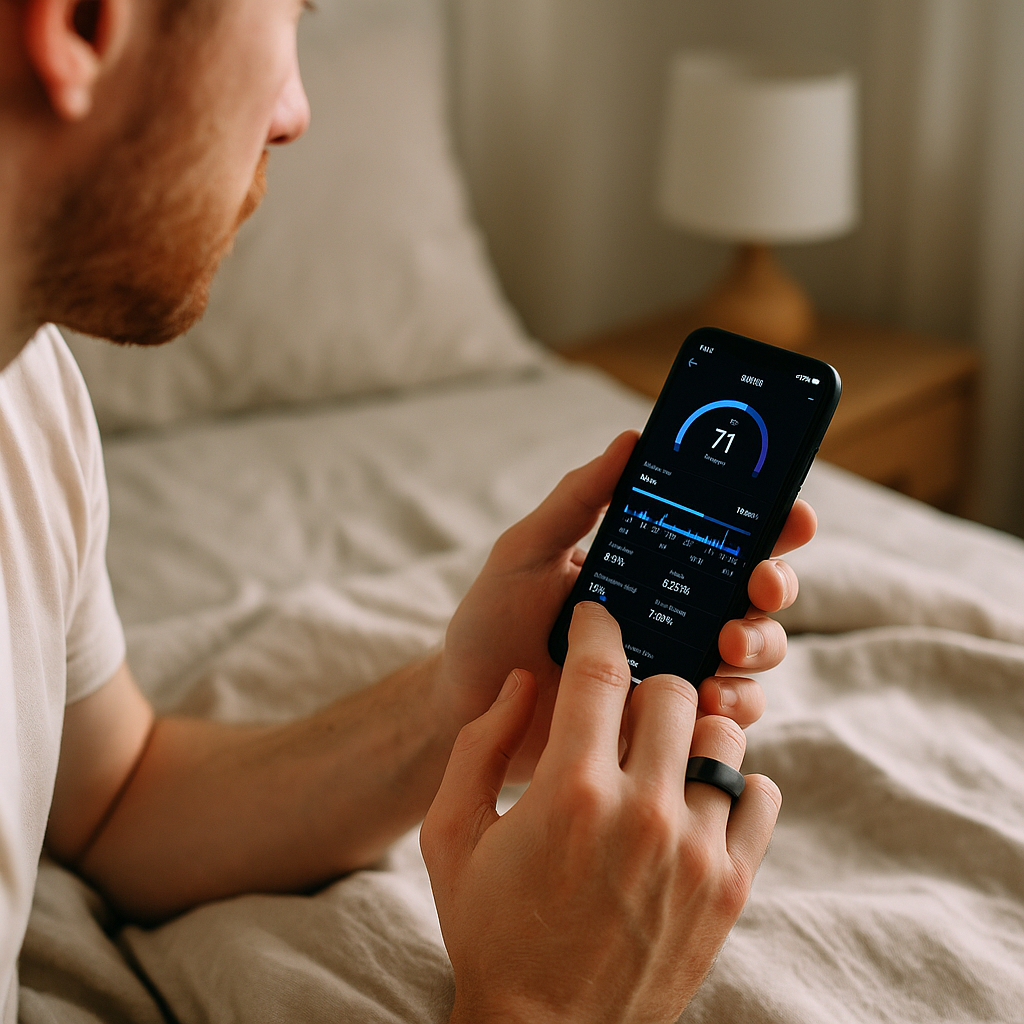
Here in 2026, we are fortunate to live in an era where we no longer have to guess. The proliferation of advanced wearable technology, such as smart rings and watches, has turned our bedrooms into personal sleep laboratories. These devices offer a window into the physiological narrative of our sleep, capturing data points that were once the exclusive domain of clinical sleep studies (polysomnograms). They measure not just how long we were in bed, but the very architecture of our sleep: the cycles, the stages, and the body's response to them. This objective data allows us to move beyond the fuzzy, subjective answer to "did u sleep well?" and toward a precise, evidence-based understanding. Instead of a vague feeling, you can now have a detailed report card. Did you get enough of the physically restorative deep sleep? Was your mentally vital REM sleep sufficient for memory consolidation? Was your nervous system able to calm down and recover? These are the questions that data can help us answer, providing a much richer context for that all-important morning assessment.
The conversation around health has evolved. We have moved past a singular focus on diet and exercise to a more holistic understanding that places sleep on an equal pedestal. The scientific community has amassed overwhelming evidence linking poor sleep to a host of negative health outcomes, including cardiovascular disease, diabetes, obesity, and impaired immune function (Miller & Cappuccio, 2007). As the National Institute of Neurological Disorders and Stroke (NINDS) highlights, sleep is as essential to survival as food and water (NINDS, 2023). It is the foundation upon which our physical health, mental clarity, and emotional well-being are built. In our fast-paced, information-saturated world, the ability to achieve consistently high-quality sleep is not a luxury; it is a critical performance-enhancing practice. Mastering your sleep means you are not just trying to feel less tired; you are actively investing in your long-term health, cognitive function, and resilience. It is about taking control of a fundamental biological process to live a healthier, more capable life. So, the next time you ask yourself, "did u sleep well?", let's ensure you have the tools to give a truly informed answer.
When we begin our investigation into the question "did u sleep well?", the most intuitive starting point is duration. How long were you asleep? For decades, this single number has been the primary focus of public health messaging and personal sleep goals. It is the bedrock upon which a good night's rest is built. While we will soon see that duration alone is insufficient, it remains a non-negotiable component of restorative sleep. Think of it as the total amount of time you allocate for a construction crew to do its work. If the crew—representing your body's restorative processes—is only given four hours instead of the required eight, it doesn't matter how efficient they are; they simply cannot complete all the necessary repairs. Without adequate time, the complex and vital processes of physical healing, immune reinforcement, and memory consolidation cannot be fully executed.
The question of how much sleep is "enough" is not a matter of personal opinion but is grounded in extensive scientific research. Health organizations like the Centers for Disease Control and Prevention (CDC) and the National Sleep Foundation have provided clear, age-based recommendations. While individual needs can vary slightly due to genetics and lifestyle, these guidelines serve as an excellent benchmark for most of the population (Watson et al., 2015). When you're trying to figure out if you did sleep good, comparing your nightly average to these targets is the first logical step.
| Age Group | Age | Recommended Daily Sleep |
|---|---|---|
| Newborn | 0–3 months | 14–17 hours |
| Infant | 4–12 months | 12–16 hours (including naps) |
| Toddler | 1–2 years | 11–14 hours (including naps) |
| Preschool | 3–5 years | 10–13 hours (including naps) |
| School age | 6–12 years | 9–12 hours |
| Teen | 13–18 years | 8–10 hours |
| Adult | 18–64 years | 7–9 hours |
| Older Adult | 65+ years | 7–8 hours |
Source: Adapted from CDC (2024) and Hirshkowitz et al. (2015).
For most adults, the target is a consistent seven to nine hours per night. Falling short of this benchmark on a regular basis creates what is known as a "sleep debt." This is not a financial debt you can easily repay. It is a physiological deficit that impairs cognitive function, mood regulation, and physical health. As research from the Sleep Foundation notes, this debt has a hidden cost, impacting nearly every system in the body. So, the first piece of evidence in answering "did u sleep well?" is a simple number. Did you hit your target? If you are an adult who consistently gets only six hours of sleep, the answer, from a physiological perspective, is almost certainly no, even if you feel functional. You are forcing your body to operate in a state of chronic deprivation.
Many people live by a cycle of sleep deprivation during the workweek followed by long lie-ins on the weekend. The logic seems sound: you accumulate a debt and then you pay it back. However, the body's systems, particularly its internal clock, do not operate like a bank account. While sleeping in on a Saturday morning can help alleviate some of the immediate fatigue and repay a small portion of the homeostatic sleep drive—that feeling of pressure to sleep that builds the longer you are awake—it cannot fully reverse the negative effects of the preceding nights of poor rest. A study on the topic found that while some metabolic functions improved with weekend recovery sleep, attention levels did not fully rebound, and the benefits were wiped out as soon as the workweek sleep schedule resumed. Furthermore, this pattern of irregular sleep and wake times plays havoc with your circadian rhythm, the body's 24-hour internal clock (NINDS, 2023). It’s like flying from New York to Chicago and back every weekend. This social jetlag can leave you feeling perpetually out of sync, making it harder to fall asleep on Sunday night and wake up on Monday morning. So, when evaluating if you did you sleep good over the course of a week, it is not enough to just look at the weekly average. A pattern of five 6-hour nights and two 11-hour nights is not equivalent to seven nights of 8 hours. The latter provides the stable foundation your body and brain crave.
This brings us to the most crucial aspect of sleep duration: consistency. The human body is a creature of habit. It thrives on rhythm and predictability. Your circadian rhythm, orchestrated by a master clock in the brain called the suprachiasmatic nucleus (SCN), directs the release of hormones like melatonin (which promotes sleepiness) and cortisol (which promotes alertness) (Saper et al., 2010). When you go to bed and wake up at the same time every day, even on weekends, you are reinforcing this natural rhythm. Your body learns when to expect sleep and when to expect wakefulness. This makes it easier to fall asleep at night, easier to wake up in the morning (often without an alarm), and improves the overall quality of the sleep you get. A consistent schedule is perhaps the most powerful tool in your sleep hygiene arsenal. It stabilizes the very system that governs your sleep-wake cycle. So, as we build our case for answering "did u sleep well?", duration is the first exhibit. But it's not just the total number of hours; it is the consistency with which you achieve that duration, night after night. That steady rhythm is what allows your body to truly rest and repair, providing a definitive, positive answer to the question.
Having established the importance of getting enough sleep, we now turn to the next critical piece of the puzzle: how easily you begin that journey into sleep. Sleep latency is the technical term for the amount of time it takes you to fall asleep after turning off the lights and intending to do so. This metric is a powerful indicator of the alignment between your body's readiness for sleep and your scheduled bedtime. It's the transition period, the figurative gate through which you must pass to enter the restorative world of slumber. If you consistently pass through this gate quickly and effortlessly, it is a strong sign that your sleep systems are well-regulated. However, if you find yourself lying in bed for long periods, tossing and turning, your mind racing, it's a clear signal of a misalignment. This struggle is a direct contradiction to the very idea of resting well, making sleep latency a key factor in answering the question, "did u sleep well?"
For a healthy adult, a sleep latency of about 10 to 20 minutes is considered ideal. This duration signifies that you are tired enough to fall asleep relatively quickly, but not so exhausted that you are crashing the moment your head hits the pillow. An extremely short sleep latency—say, under five minutes—might seem desirable, but it can often be a sign of significant sleep deprivation. It suggests that your homeostatic sleep drive, the pressure to sleep that builds throughout your waking hours, is overwhelmingly high. You are so sleep-deprived that your body is shutting down at the first opportunity. On the other end of the spectrum, a sleep latency that regularly exceeds 30 minutes is a red flag. It suggests that you are going to bed when your body is not yet ready for sleep. This could be due to a number of factors: your circadian rhythm might be timed for a later bedtime (a characteristic of "night owls"), you may have been exposed to stimulating activities or substances too close to bedtime, or you may be experiencing anxiety or stress that is keeping your mind in an alert state. When trying to determine if "did you sleep good," the experience of falling asleep is the very first chapter of the night's story. A long and frustrating chapter one rarely leads to a restful conclusion.
For many, the primary obstacle to a short sleep latency is a racing mind. You get into bed, the distractions of the day fade away, and suddenly your brain decides it's the perfect time to review your to-do list, rehash a conversation from earlier, or worry about the future. This state of cognitive arousal is the enemy of sleep. Sleep requires a gradual powering down of the brain's alert systems. The brainstem and hypothalamus, key players in the transition to sleep, produce a neurotransmitter called GABA, which works to reduce activity and quiet the brain (NINDS, 2023). However, stress and anxiety trigger the release of hormones like cortisol and adrenaline, which have the opposite effect. They essentially tell your brain to stay vigilant and prepared for a threat. This creates a physiological conflict. Your body is tired, but your brain is on high alert. This frustrating experience, when it becomes chronic, is a core feature of insomnia. You lie in bed wanting to sleep, knowing you need to sleep, but are unable to do so. This struggle itself can then become a source of anxiety, creating a vicious cycle where the fear of not being able to sleep is precisely what keeps you awake. It becomes impossible to answer "did u sleep well?" with a "yes" when the night begins with such a battle.
If you find that your sleep latency is consistently long, it is a clear signal that your pre-sleep routine needs adjustment. The goal is to create a "buffer zone" between your busy day and your desired bedtime, allowing your mind and body to wind down. This is a cornerstone of good sleep hygiene. Consider implementing a relaxing bedtime routine that signals to your brain that sleep is approaching. This could include activities like reading a physical book (not on a screen), taking a warm bath (the subsequent drop in body temperature can help induce sleep), listening to calming music, or practicing mindfulness meditation or deep breathing exercises. Equally important is what you avoid. The blue light emitted from electronic devices—phones, tablets, computers, and TVs—is particularly disruptive. This light suppresses the production of melatonin, the hormone that signals darkness and sleepiness to your brain (Sleep Foundation, 2026). Experts recommend avoiding screens for at least 30 to 60 minutes before bed. Similarly, avoiding stimulants like caffeine in the afternoon and evening, large meals, and vigorous exercise close to bedtime can help prevent your body from being in an activated state when it should be powering down. By managing your environment and your activities in the hours before bed, you can create the ideal conditions for a short, smooth transition to sleep, setting the stage for a night where you can confidently say you did rest well.
Let's imagine you followed the advice from our previous sections. You aimed for eight hours of sleep (duration) and you fell asleep within a respectable 15 minutes (latency). You spent eight hours in bed. Does that mean you got eight hours of sleep? Not necessarily. This brings us to our third crucial metric: sleep efficiency. Sleep efficiency is a simple but powerful calculation: it's the percentage of time you spend in bed that you are actually asleep. A high sleep efficiency score is a hallmark of consolidated, high-quality sleep. A low score, on the other hand, reveals a fragmented and disrupted night, which is a primary reason why you might spend a long time in bed but still fail to answer "did u sleep well?" in the affirmative. It addresses the quality of the time spent, not just the quantity.
The formula for sleep efficiency is straightforward: (Total Time Asleep / Total Time in Bed) x 100. For example, if you were in bed for 8 hours (480 minutes) but your sleep tracker shows you were only asleep for 7 hours (420 minutes), your sleep efficiency would be (420 / 480) x 100 = 87.5%. In the world of sleep science, a sleep efficiency of 85% or higher is generally considered good for adults. An efficiency score above 90% is excellent. A score below 85% suggests that your sleep is significantly fragmented. You might not even remember all the brief awakenings that are chipping away at your rest. This is where modern technology becomes so valuable. While you might recall one or two times you woke up to use the bathroom, a device like a mayissi smart ring can detect the dozens of smaller, micro-arousals that are disrupting your sleep cycles and lowering your efficiency. Seeing this data can be an eye-opening experience, providing a concrete explanation for why you feel tired despite being in bed for a sufficient duration. It helps you understand that the question "did you sleep good?" is not just about the time on the clock, but about the continuity of your slumber.
The primary factor that damages sleep efficiency is "Wake After Sleep Onset," or WASO. This is the total amount of time you spend awake after you've initially fallen asleep but before you wake up for the day. These awakenings can be caused by a wide range of factors. Some are environmental, such as a partner's snoring, a noisy street, a room that is too hot or too cold, or light creeping in through the windows. Others are physiological. Conditions like sleep apnea cause repeated interruptions in breathing, leading to brief, protective awakenings throughout the night. Restless legs syndrome can create an irresistible urge to move the limbs, preventing consolidated sleep. The need to urinate (nocturia), which becomes more common with age, can also be a significant disruptor. Even lifestyle choices can increase WASO. Consuming alcohol before bed is a common culprit. While it might help you feel sleepy and shorten your sleep latency, as the alcohol is metabolized by your body several hours later, it leads to a "rebound effect." This causes lighter, more fragmented sleep in the second half of the night, dramatically reducing your overall sleep quality. Each of these awakenings, no matter how brief, forces your brain to restart the sleep cycle process. Imagine you are trying to read a complex book, but every few pages someone interrupts you and you have to find your place again. You might spend hours with the book, but your comprehension and retention will be poor. This is what happens to your brain during a night of fragmented sleep. It cannot progress smoothly through the restorative stages, leaving you feeling unrefreshed, and making it hard to honestly say you did rest well.
This is where objective data transforms our understanding. You might feel like you only woke up once, but your sleep data could reveal 15 or 20 distinct awakenings. A sophisticated device, like the best smart ring for sleep tracking, uses a combination of sensors—typically an accelerometer to detect movement and a photoplethysmography (PPG) sensor to monitor heart rate and blood flow—to build a detailed picture of your night. It can distinguish between periods of restful, motionless sleep and the subtle shifts and heart rate changes that accompany an awakening, even one you don't consciously remember. By tracking your sleep efficiency and WASO over time, you can start to identify patterns. Do you have more awakenings on nights after you have a glass of wine? Is your sleep more fragmented when the weather is warmer and your room temperature rises? Does a new medication correspond with a drop in your sleep efficiency? This data empowers you to become a detective of your own sleep. It allows you to run small experiments—like adjusting your thermostat, using a white noise machine, or avoiding alcohol—and see the direct impact on your sleep quality. It moves the goal from simply "spending 8 hours in bed" to "achieving 7.5 hours of consolidated sleep within 8 hours in bed." This focus on efficiency is a fundamental step toward ensuring that the answer to "did u sleep well?" is a resounding, data-supported "yes."
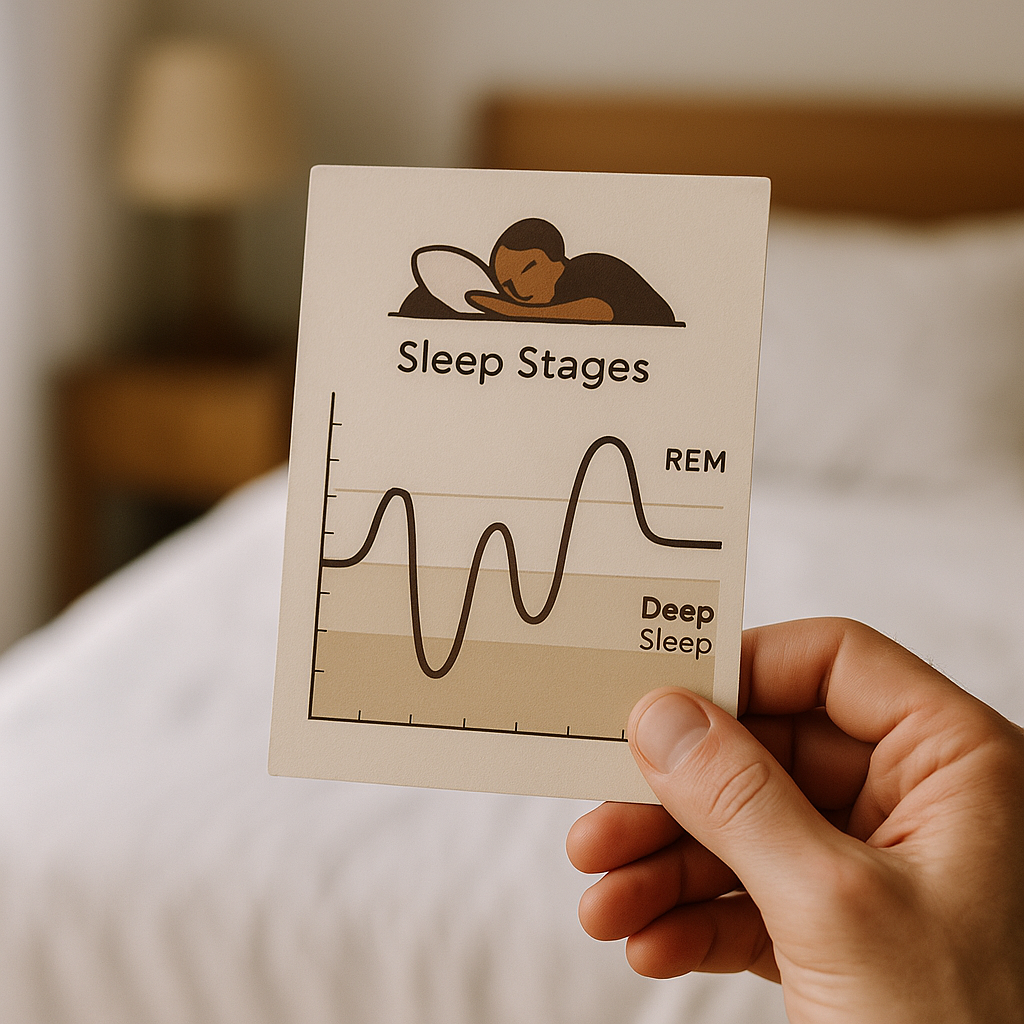
We have now established the importance of getting enough consistent, consolidated sleep. But what is actually happening during that time? Sleep is not a monolithic state of inactivity. It is a dynamic and highly structured journey through different stages, each with a unique purpose and a distinct pattern of brain activity. This nightly pattern is known as your "sleep architecture." Understanding your sleep architecture is like looking at the detailed blueprints of the nightly repair work. It shows you not just that the construction crew was on site for eight hours (duration) and worked without too many interruptions (efficiency), but also that they spent the right amount of time on each specific task: laying the foundation, framing the walls, and wiring the electricity. A healthy sleep architecture is absolutely essential for both physical and mental restoration. If the balance of your sleep stages is off, you can sleep for a long time and still feel terrible, leaving you to wonder why you can't seem to get a good night's sleep.
To better appreciate the distinct roles of these stages, let's compare the two main types of sleep.
| Characteristic | Non-REM (NREM) Sleep | REM Sleep |
|---|---|---|
| Primary Function | Physical restoration, growth, immune support | Mental restoration, memory consolidation, emotional regulation |
| Brain Activity | Slow, synchronized brain waves (especially in Stage 3) | Active, fast, de-synchronized brain waves, similar to wakefulness |
| Muscle Tone | Muscles are relaxed but retain some tone | Atonia: muscles are effectively paralyzed (except eyes, diaphragm) |
| Eye Movement | Slow or no eye movement | Rapid, darting eye movements behind closed eyelids |
| Dreaming | Less common, more thought-like and fragmented | Frequent, vivid, narrative-style dreaming |
| Typical % of Night | 75-80% | 20-25% |
Source: Information synthesized from NINDS (2023) and Cleveland Clinic (2023).
Throughout the night, you cycle through two basic types of sleep: Non-Rapid Eye Movement (NREM) sleep and Rapid Eye Movement (REM) sleep. NREM sleep is further divided into three stages. You typically begin the night in NREM Stage 1, a very light, transitional sleep. You then move into NREM Stage 2, where your heart rate and body temperature drop, and your brain begins to show characteristic bursts of activity called sleep spindles, which are thought to be involved in processing memories. Stage 2 accounts for the largest portion of your total sleep time, about 45-50% (Cleveland Clinic, 2023). Following Stage 2, you enter the most restorative phase of sleep: NREM Stage 3, also known as deep sleep or slow-wave sleep. After a period in deep sleep, you cycle back up through Stage 2 and then enter your first REM sleep period of the night. A full cycle through these stages takes approximately 90 to 120 minutes, and you will typically complete four to five cycles per night. The composition of these cycles changes as the night progresses. The first half of the night is dominated by deep sleep, while the second half of the night features longer and more intense periods of REM sleep. This is why a full, uninterrupted night of sleep is so critical; cutting your sleep short by even an hour can disproportionately rob you of vital REM sleep.
If you've ever wondered what makes you feel physically refreshed in the morning, the answer is deep sleep. This is the stage where your body does the bulk of its repair and recovery work. During NREM Stage 3, your brain produces slow, high-amplitude delta waves. Your breathing and heartbeat are at their lowest levels, and your muscles are fully relaxed. It is very difficult to be awakened from this stage. The key functions occurring during deep sleep are profound. The pituitary gland releases growth hormone, which is essential for repairing tissues, building bone and muscle, and supporting the immune system. This is why being sick makes you feel so tired; your body is trying to get more deep sleep to fight off the infection. Your brain also takes this opportunity for some housekeeping. Recent research suggests that during deep sleep, the brain clears out metabolic byproducts and toxins, like beta-amyloid, that accumulate during waking hours (NINDS, 2023). Inadequate deep sleep is linked to feeling physically run-down, a weakened immune system, and general aches and pains. When you ask, "did you rest well?" and the answer is a physical "no," a lack of deep sleep is often the culprit. Adults typically need deep sleep to make up about 15-25% of their total sleep time.
After the body's physical needs are attended to in deep sleep, the brain turns to its own mental maintenance during REM sleep. This stage is characterized by a brain that looks surprisingly awake on an EEG, with fast and variable brain waves. Your eyes dart back and forth behind your closed lids, and your breathing and heart rate become irregular. However, your body's voluntary muscles are temporarily paralyzed, a protective mechanism called REM atonia that prevents you from acting out your vivid dreams (NINDS, 2023). REM sleep is crucial for cognitive functions. It is when your brain consolidates memories, transferring information from short-term to long-term storage. It's like a librarian sorting through the day's new acquisitions, filing them away in the proper sections of the library so they can be easily retrieved later. This process is vital for learning and skill development. REM sleep also plays a key role in emotional regulation. By processing the emotional experiences of the day within the context of a dream, the brain can strip away the sharp, visceral charge, helping you to cope with difficult events. A lack of REM sleep can lead to problems with memory, difficulty learning new tasks, and increased emotional irritability. If you wake up feeling mentally foggy, scattered, or emotionally volatile, you may have been short-changed on REM sleep, which should account for about 20-25% of an adult's night. The answer to "did you sleep good?" from a cognitive and emotional perspective, hinges heavily on getting sufficient REM.
A healthy night's sleep involves a delicate dance between all these stages. It's not about maximizing one stage at the expense of others; it's about achieving a healthy balance and progressing smoothly through the cycles. Many factors can disrupt this balance. Alcohol, for instance, is known to suppress REM sleep, particularly in the early part of the night. Certain medications can also alter sleep architecture. As we age, the amount of deep sleep we get naturally declines, which is one reason why older adults may not feel as refreshed even after a full night in bed. By using a sleep tracker to monitor your nightly stage distribution, you can gain invaluable insight. Are you consistently falling short of the typical 20% benchmark for REM sleep? Is your deep sleep percentage in the single digits? This information is a powerful diagnostic tool. It moves the conversation beyond "did u sleep well?" to more specific and actionable questions like, "How can I increase my deep sleep?" or "What is interfering with my REM sleep?" This level of detail empowers you to make targeted changes to your lifestyle and sleep hygiene to address specific deficits in your nightly restoration.
We have journeyed from the quantity of sleep to its quality and structure. Now, we arrive at our most sophisticated metric, one that provides a deep insight into your body's state of recovery: Heart Rate Variability (HRV). While your resting heart rate (RHR) tells you the average number of times your heart beats per minute, HRV tells you about the tiny, millisecond-level variations in time between those beats. It may seem counterintuitive, but a healthy, resilient, and well-rested nervous system is characterized by a higher variability. A consistently high HRV is a sign that your body is adaptable and ready to handle stress. A low HRV, on the other hand, can be an indicator of fatigue, illness, or chronic stress. Monitoring your HRV during sleep provides a powerful, objective measure of your body's recovery, offering perhaps the most nuanced answer to the question, "did you rest well?"
Your heart rate is controlled by your autonomic nervous system (ANS). The ANS has two main branches that work in a constant balancing act. The sympathetic nervous system is your "fight-or-flight" system. It gets you ready for action, increasing your heart rate and blood pressure. The parasympathetic nervous system is your "rest-and-digest" system. It promotes relaxation and recovery, slowing your heart rate. When you inhale, your sympathetic system is slightly activated, and your heart rate speeds up a tiny bit. When you exhale, your parasympathetic system takes over, and your heart rate slows down. This natural ebb and flow is what creates heart rate variability. A high HRV means there is a large variation between your fastest heartbeats (on the inhale) and your slowest (on the exhale). This indicates that your parasympathetic "rest-and-digest" system is strong and active, able to effectively apply the brakes to your heart rate. It shows that your body is not stuck in a state of stress. During sleep, especially during deep sleep, the parasympathetic system should be dominant. This allows your body to focus all its energy on recovery and repair. A high overnight HRV is therefore a direct reflection of your body's ability to switch off the stress response and enter a deeply restorative state.
Your nightly HRV is a sensitive barometer of the stressors your body has faced. If you had a mentally taxing day at work, engaged in a high-intensity workout late in the evening, or ate a large meal close to bed, your sympathetic "fight-or-flight" system may remain elevated well into the night. Your body is still working to manage the stress, repair the muscle damage, or digest the food. This heightened sympathetic activity suppresses the parasympathetic system, leading to a lower, more constant heart rate and thus, a lower HRV. You might be asleep, but your nervous system is not fully at rest. Alcohol is one of the most significant suppressors of HRV. Even a single drink can cause your HRV to plummet for several hours. While you may have fallen asleep easily, your body is treating the alcohol as a toxin and working hard to metabolize and clear it, keeping your sympathetic system engaged. Waking up after a night of drinking and seeing a drastically low HRV on your sleep tracker provides a stark, objective illustration of why you feel so rough, even if you slept for a long time. It provides a definitive "no" to the question "did you rest well?" Conversely, positive lifestyle factors can boost your HRV. Regular cardiovascular exercise (though not too close to bedtime), a healthy diet, hydration, and stress-management practices like meditation all contribute to a stronger parasympathetic tone and a higher HRV.
Tracking your HRV trend over time is more important than focusing on a single night's number. HRV is highly individual, so comparing your score to someone else's is not useful. The key is to establish your personal baseline and then observe how your daily choices affect it. Did your HRV dip after a particularly stressful week? Did it rebound after a few days of good sleep and relaxation? This data allows for a proactive approach to health and well-being. If you notice your HRV has been trending downward, it might be an early warning sign that you are overtraining, getting sick, or are under too much chronic stress. It's a signal from your body to ease up and prioritize recovery. You can use this information to decide whether to push hard in a workout or opt for a lighter recovery day. For anyone serious about health and performance, HRV is a game-changer. It transforms the vague concept of "recovery" into a tangible number you can track and influence. It is the final, crucial piece of evidence in our investigation. When your sleep duration is sufficient, your efficiency is high, your sleep architecture is balanced, and your overnight HRV is at or above your baseline, you have a complete, data-backed portfolio that proves, without a doubt, that you did u sleep well.
We've now explored five distinct, measurable aspects of your nightly rest. We've seen that answering "did u sleep well?" requires moving beyond a simple feeling and engaging with the rich data our bodies provide. We have dissected sleep duration, latency, efficiency, architecture, and heart rate variability. But knowledge without action is incomplete. The ultimate goal is to use this newfound understanding to actively improve your sleep. Think of yourself as a scientist and your sleep as the experiment. Your sleep tracker is your measurement instrument, and your daily habits are the variables you can change. By making small, deliberate adjustments and observing their effects on your data, you can systematically optimize your sleep for better health and daytime performance.
The foundation of better sleep is a consistent practice of good "sleep hygiene." This term refers to a set of habits and environmental factors that are conducive to sleeping well. It's about creating a routine that signals to your mind and body that it's time to wind down and prepare for rest. A powerful sleep hygiene ritual is built on consistency and relaxation.
Don't get fixated on a single night's data. One poor night's sleep is normal and nothing to worry about. The real insights come from looking at trends over a week or a month. Start keeping a simple journal alongside your sleep data. Each day, note a few key variables: what time you had your last coffee, whether you exercised and when, your stress level on a scale of 1-10, and whether you consumed alcohol. After a week, look for correlations. Do you notice that on days you have a stressful meeting late in the afternoon, your sleep latency is longer and your HRV is lower? Do you see your deep sleep percentage increase on days you get a good workout in the morning? This process of self-study is incredibly empowering. It allows you to connect your daytime actions with your nighttime outcomes. You start to see, in black and white, the "cost" of that late-night glass of wine or the "benefit" of that evening meditation. This feedback loop is the key to making lasting changes. It's no longer about abstract rules; it's about seeing the concrete impact on your personal data, which is a powerful motivator.
While sleep trackers and good hygiene can solve many sleep issues, they are not a substitute for professional medical advice. If you consistently struggle with sleep despite your best efforts, or if your data suggests a more serious problem, it's time to talk to a doctor. For example, if your sleep tracker consistently shows a very high number of awakenings or breathing disturbances, it could be a sign of sleep apnea, a serious condition that requires medical diagnosis and treatment. If you experience chronic insomnia—difficulty falling or staying asleep for more than three nights a week for over three months—a healthcare provider or a sleep specialist can help. They may recommend cognitive-behavioral therapy for insomnia (CBT-I), which is considered the gold standard treatment, or conduct a formal sleep study (polysomnogram) to get a definitive diagnosis (Cleveland Clinic, 2023). Your wearable data can be an incredibly useful tool to bring to your doctor's appointment, providing a starting point for the conversation. It demonstrates that you've been proactive and gives them a valuable dataset to review. Ultimately, taking charge of your sleep is one of the most impactful things you can do for your overall health. It begins with asking the right questions—not just "did u sleep well?", but "how long did I sleep?", "how were my sleep stages?", and "how did my body recover?"—and then using the answers to build a better night, every night.
1. Why do I still feel tired after getting 8 hours of sleep? This is a common experience and often points to poor sleep quality rather than insufficient duration. You might be spending enough time in bed, but your sleep could be fragmented by frequent, brief awakenings (low sleep efficiency), or you may not be getting enough of the restorative deep or REM sleep stages. Factors like alcohol consumption, a warm room, or an underlying issue like mild sleep apnea can prevent you from feeling refreshed. Tracking your sleep stages and efficiency can help pinpoint the cause.
2. Is it bad to fall asleep really quickly, in less than 5 minutes? While it might seem like a good thing, consistently falling asleep in under five minutes is often a sign of significant sleep deprivation. It indicates that your body's "sleep debt" is so large that it's shutting down at the first opportunity. A healthy sleep latency (the time it takes to fall asleep) is typically between 10 and 20 minutes, suggesting you are tired but not exhausted.
3. What is the most important sleep stage: deep or REM? This is like asking if breathing or drinking water is more important; both are vital and serve different functions. Deep sleep is primarily for physical restoration—tissue repair, immune system support, and growth hormone release. REM sleep is for mental restoration—memory consolidation, learning, and emotional regulation. A healthy night's sleep requires a proper balance of both, which is why a full, uninterrupted night is crucial.
4. Can I "catch up" on sleep during the weekend? While sleeping in on weekends can help reduce some of the immediate sleepiness from a sleep-deprived week, it cannot fully reverse the negative impacts on cognitive function and metabolism. It also disrupts your circadian rhythm, leading to "social jetlag" that can make it harder to sleep on Sunday night and wake up on Monday. Consistency is far more effective; aiming for 7-9 hours every night is the best strategy.
5. How much deep sleep should an adult get per night? A healthy adult should aim for deep sleep to constitute about 15-25% of their total sleep time. For someone sleeping 8 hours (480 minutes), this would be roughly 72 to 120 minutes of deep sleep. This amount naturally declines with age, but factors like exercise can help promote it, while alcohol can suppress it.
6. My sleep tracker showed a low HRV. Should I be worried? Don't panic over a single night's reading. HRV is sensitive to many factors, including a tough workout, a stressful day, a late meal, or alcohol. The key is to look at your long-term trend compared to your personal baseline. If you notice a consistent downward trend over many days or weeks, it could be a sign that your body is under chronic stress and not recovering properly. It's a signal to prioritize rest and recovery.
7. Does napping during the day affect my nighttime sleep? Short naps (20-30 minutes) in the early afternoon can be beneficial for alertness without significantly impacting nighttime sleep. However, long naps or napping too late in the day can reduce your homeostatic sleep drive, making it harder to fall asleep at your regular bedtime. If you struggle with insomnia, it's generally best to avoid napping.
The journey to understanding our own rest begins with a shift in perspective. It requires us to move past the simple, subjective query of "did u sleep well?" and embrace a more detailed, evidence-based inquiry. By examining the core metrics of sleep—its duration, its beginning, its continuity, its internal structure, and its restorative power on our nervous system—we transform a nightly mystery into an understandable and manageable aspect of our health. The data provided by modern tools is not meant to create anxiety over perfect scores but to empower us with insight. It provides a language to describe why we feel the way we do and a map to guide our efforts toward improvement. True mastery of sleep lies not in achieving flawless data every single night, but in cultivating a consistent rhythm, respecting the body's needs for both physical and mental repair, and listening to the objective feedback it provides. This diligent, thoughtful approach allows us to build a foundation of vitality, resilience, and clarity that supports every waking moment.
CDC. (2024). About sleep. Centers for Disease Control and Prevention.
Cleveland Clinic. (2023). Sleep.
Hilditch, C. J., & McHill, A. W. (2019). Sleep inertia: Current insights. Nature and Science of Sleep, 11, 155–165. https://doi.org/10.2147/NSS.S188911
Hirshkowitz, M., Whiton, K., Albert, S. M., Alessi, C., Bruni, O., DonCarlos, L., Hazen, N., Herman, J., Katz, E. S., Kheirandish-Gozal, L., Neubauer, D. N., O'Donnell, A. E., Ohayon, M., Peever, J., Rawding, R., Sachdeva, R. C., Setters, B., Vitiello, M. V., & Ware, J. C. (2015). National Sleep Foundation’s sleep time duration recommendations: Methodology and results summary. Sleep Health, 1(1), 40–43.
Miller, M. A., & Cappuccio, F. P. (2007). Inflammation, sleep, obesity and cardiovascular disease. Current Vascular Pharmacology, 5(2), 93–102.
National Institute of Neurological Disorders and Stroke. (2023). Brain basics: Understanding sleep. https://www.ninds.nih.gov/health-information/public-education/brain-basics/brain-basics-understanding-sleep
Saper, C. B., Fuller, P. M., Pedersen, N. P., Lu, J., & Scammell, T. E. (2010). Sleep state switching. Neuron, 68(6), 1023–1042.
Sleep Foundation. (2026). How sleep works. https://www.sleepfoundation.org/how-sleep-works
Watson, N. F., Badr, M. S., Belenky, G., Bliwise, D. L., Buxton, O. M., Buysse, D., Dinges, D. F., Gangwisch, J., Grandner, M. A., Kushida, C., Malhotra, R. K., Martin, J. L., Patel, S. R., Quan, S. F., & Tasali, E. (2015). Recommended amount of sleep for a healthy adult: A joint consensus statement of the American Academy of Sleep Medicine and Sleep Research Society. Sleep, 38(6), 843–844. https://doi.org/10.5665/sleep.4716