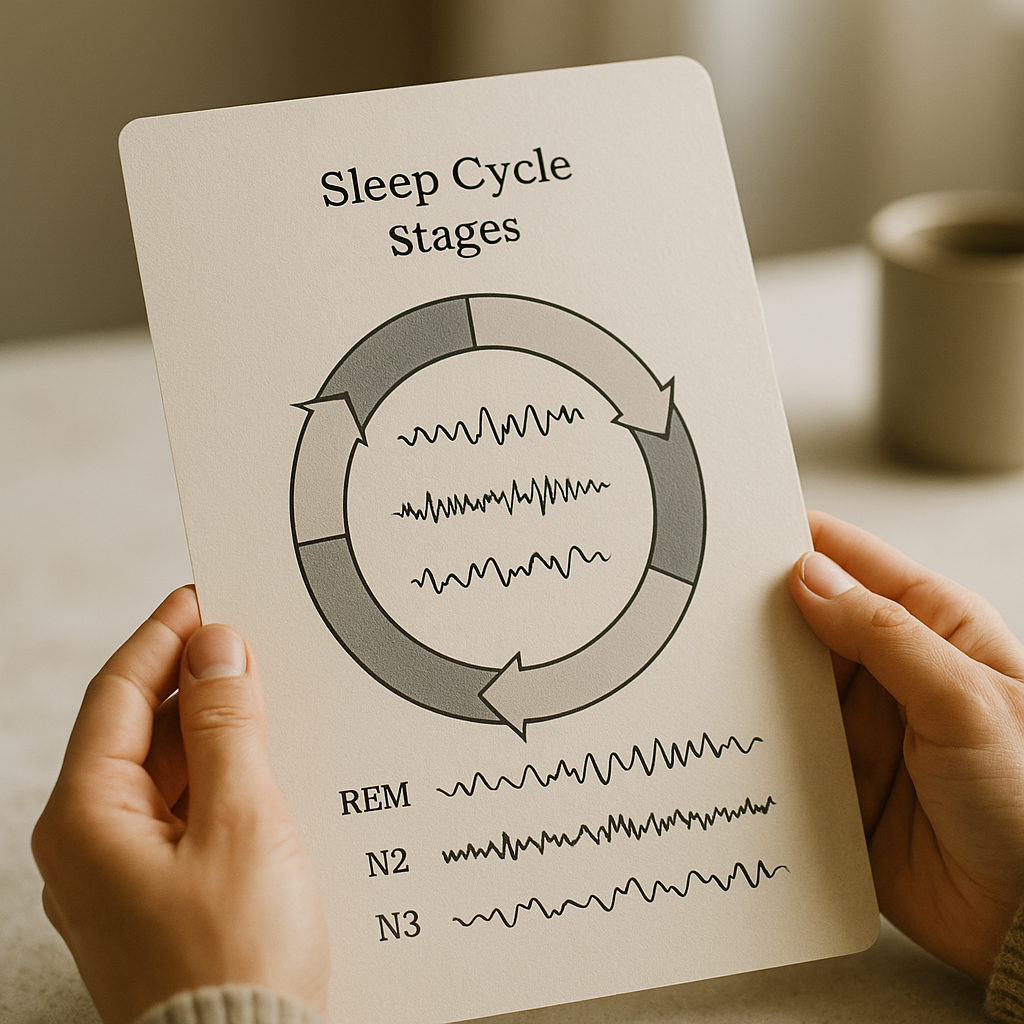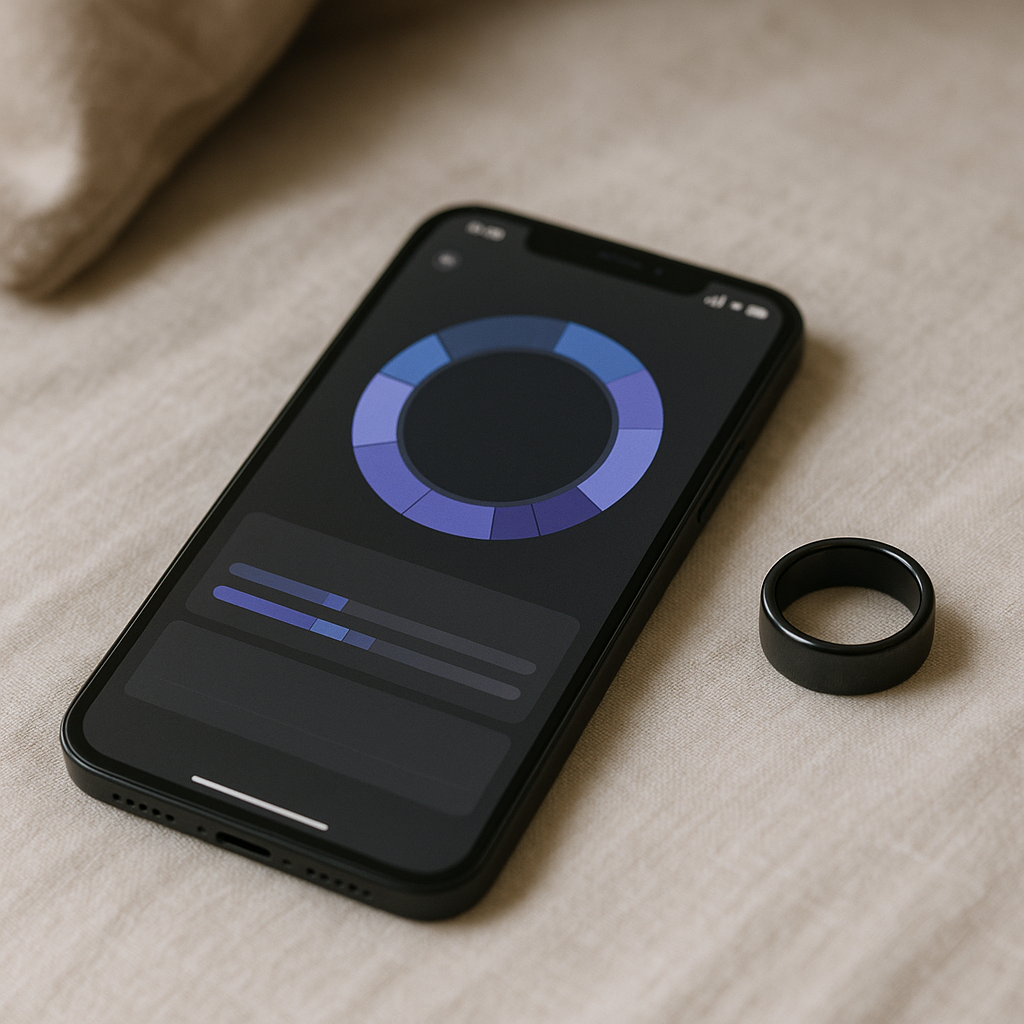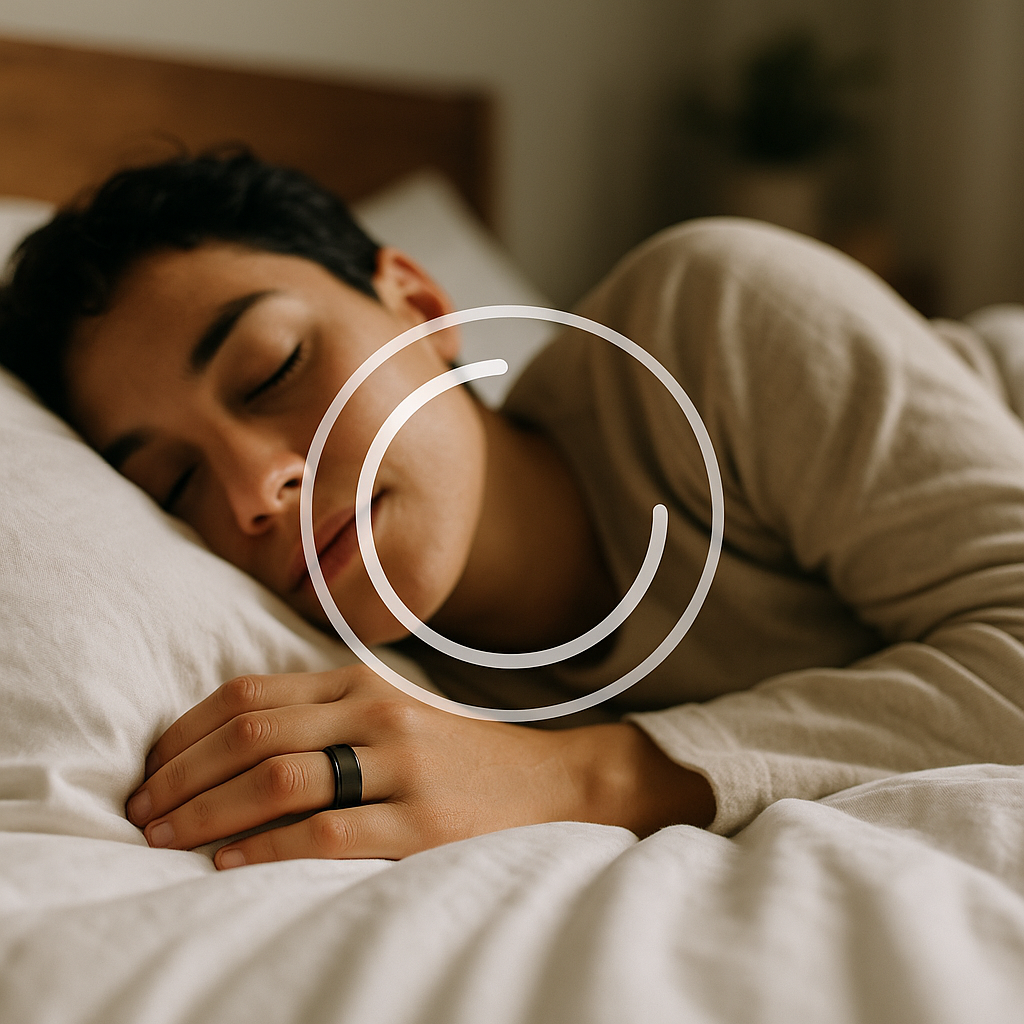
Sleep is a fundamental biological process characterized by a dynamic and structured pattern, commonly understood as the sleep circle. This recurring cycle, which lasts approximately 90 minutes in adults, is composed of distinct stages: three stages of non-rapid eye movement (NREM) sleep and one stage of rapid eye movement (REM) sleep. Each stage serves unique restorative functions, from physical repair during deep NREM sleep to cognitive consolidation and emotional regulation during REM sleep. The progression through these stages is governed by two primary internal mechanisms: the circadian rhythm, a 24-hour biological clock regulated largely by light exposure, and sleep-wake homeostasis, which builds sleep pressure throughout periods of wakefulness. In 2026, advancements in wearable technology, such as smart rings, provide unprecedented access to personal biometric data, including heart rate variability, body temperature, and respiratory rate. Analyzing these metrics offers deep insights into an individual's sleep architecture, allowing for targeted interventions to improve sleep quality, enhance daily performance, and support long-term health and well-being.
To speak of "getting sleep" as a single, monolithic activity is like describing a symphony as just "hearing music." It misses the intricate structure, the movements, the soaring crescendos and quiet interludes that give the experience its meaning. Sleep is not a state of passive unconsciousness but an active, highly organized performance with a predictable script. This script unfolds in what we can call the sleep circle, a recurring cycle of brain and body activity that typically lasts about 90 minutes. Throughout the night, you are not simply "out"; you are journeying through this cycle four to six times, with each repetition subtly different from the last. Understanding the architecture of this nightly journey is the first step toward consciously improving its quality. It allows us to move beyond the crude metric of "hours slept" and begin to appreciate the profound functions occurring within each phase of our rest.
Imagine your night's sleep as a series of voyages. Each voyage, or sleep circle, takes you from the shores of wakefulness, down into the deep waters of restorative sleep, and then up toward the vibrant, dream-filled currents of a unique state before beginning again. This entire journey repeats itself, forming the fundamental rhythm of your slumber.
The sleep circle is broadly divided into two main types of sleep: Non-Rapid Eye Movement (NREM) sleep and Rapid Eye Movement (REM) sleep. NREM itself is subdivided into three stages, each progressively deeper than the last. A typical 90-minute cycle proceeds in a predictable order: you begin in NREM Stage 1, descend into Stage 2, then into the profound depths of Stage 3 (deep sleep), before ascending back through Stage 2 and finally entering the REM stage. After the REM stage concludes, the cycle restarts.
However, the composition of these cycles changes as the night progresses. The first half of the night is dominated by deep sleep (Stage 3). The cycles in the early hours feature long, robust periods of this physically restorative state. As you move into the second half of the night, the deep sleep stages become shorter, and the REM stages become significantly longer. Your brain prioritizes physical repair first, then shifts its focus to mental consolidation and emotional processing. This is why a full night of rest is so beneficial; cutting your sleep short disproportionately robs you of REM sleep, which is crucial for learning and mood.
| Feature | Stage 1 (N1) | Stage 2 (N2) | Stage 3 (N3 - Deep Sleep) | Stage 4 (REM) |
|---|---|---|---|---|
| Primary Function | Transition to sleep | Light sleep, memory consolidation | Physical restoration, growth | Mental restoration, dreaming, memory processing |
| Brain Waves | Alpha & Theta | Sleep spindles, K-complexes | Slow Delta waves | Fast, similar to wakefulness |
| Body State | Muscles begin to relax, slow eye movement | Heart rate and breathing slow, temperature drops | Lowest heart rate, breathing, muscle relaxation | Muscle atonia (paralysis), rapid eye movement |
| Ease of Waking | Very easy | Easy | Difficult | Can be difficult, but may feel groggy if awoken |
| Typical Duration (1st cycle) | 1-7 minutes | 10-25 minutes | 20-40 minutes | ~10 minutes |
Stage 1 NREM (N1) is the delicate bridge between the conscious world and the world of sleep. It is a fleeting, transitional state, usually lasting only one to seven minutes (Patel et al., 2022). If you have ever felt yourself "drifting off" only to be snapped back to attention by a sound or a thought, you have experienced the fragility of Stage 1.
During this phase, your body begins its descent into rest. Your heartbeat, breathing, and eye movements start to slow down. Your muscles, which were active all day, begin to relax, which can sometimes trigger a hypnic jerk—that sudden twitch or feeling of falling that can jolt you awake. Your brainwave activity transitions from the rhythmic alpha waves of relaxed wakefulness to slower, lower-frequency theta waves. You are technically asleep, but you are so close to the surface that you may not even realize it if woken. Someone roused from Stage 1 might insist, "I wasn't even asleep!" This stage is the shallow entry point of the sleep circle, a necessary but brief preamble to the more profound work that lies ahead.
After passing through the gateway of Stage 1, you enter Stage 2 NREM (N2) sleep. This is where you will spend the largest portion of your night—about 50% of your total sleep time. If Stage 1 is the front porch of sleep, Stage 2 is the main living area where the body truly settles in. It is considered the first definitive stage of sleep.
In Stage 2, your body's systems continue to slow down. Your heart rate and breathing become more regular, your core body temperature drops slightly, and your eye movements cease (National Institute of Neurological Disorders and Stroke, 2023). Your brain waves are predominantly theta waves, but they are punctuated by two unique phenomena: sleep spindles and K-complexes.
Think of sleep spindles as short, rapid bursts of brain activity. Researchers believe they play a significant role in sensory processing—helping to gate out external stimuli so you can stay asleep—and in memory consolidation, particularly in transferring information from short-term to long-term storage. K-complexes are large, slow waves that also seem to help suppress arousal and aid in memory processing. You can imagine these features as the brain's "do not disturb" sign, actively working to protect your sleep while also beginning the important task of organizing the day's experiences. While it is still relatively easy to be woken from Stage 2, you are now firmly in the realm of sleep.
From Stage 2, you descend into the most restorative part of the sleep circle: Stage 3 NREM (N3), also known as deep sleep or slow-wave sleep (SWS). If you wake up feeling physically refreshed and energized, you have deep sleep to thank. It is in this profound state that your body does its most intensive repair work.
During deep sleep, your heartbeat and breathing slow to their lowest levels of the night. Your muscles are completely relaxed, and it becomes very difficult to awaken you. If you are roused from this stage, you will likely feel disoriented and groggy for several minutes. The brain produces very slow, high-amplitude delta waves, signaling a state of deep neuronal rest.
This is the peak time for physiological housekeeping. The pituitary gland releases growth hormone, which is vital for cellular repair, muscle growth, and tissue regeneration. Your immune system is also highly active, producing cytokines that help fight infection and reduce inflammation (Miller & Cappuccio, 2007). Recent findings suggest that during deep sleep, the brain's glymphatic system—its unique waste-clearance system—is most active, flushing out metabolic byproducts like amyloid-beta that accumulate during wakefulness. This process is thought to be a key reason why quality sleep is associated with a lower risk of neurodegenerative diseases. You spend the longest periods in deep sleep during the first half of the night, as your body prioritizes this essential physical recovery.
After climbing back up from the depths of Stage 3, you enter the most mysterious and dynamic phase of the sleep circle: Rapid Eye Movement (REM) sleep. REM sleep is often called paradoxical sleep because, in many ways, your body appears to be in a state of high alert, similar to wakefulness, while you are in your deepest slumber.
Your brain becomes a hive of activity. Brainwave patterns resemble those of an awake, alert mind. Your breathing becomes faster and more irregular, and your heart rate and blood pressure increase to near-waking levels (National Institute of Neurological Disorders and Stroke, 2023). Yet, while your brain is racing, your body is effectively paralyzed. The brainstem sends signals to switch off the voluntary muscles in your limbs, a protective mechanism called atonia that prevents you from acting out your dreams. The only muscles that remain active are those that control your eyes—which dart back and forth behind your closed eyelids, giving this stage its name—and your diaphragm, which allows you to breathe.
This is the stage where your most vivid, narrative-driven dreams occur. While dreaming can happen in other stages, REM dreams are typically more bizarre, emotional, and memorable. But REM sleep is about much more than dreaming. It is absolutely vital for cognitive functions. This stage plays a key role in memory consolidation, particularly for procedural skills (like learning to play a piano) and complex problem-solving. It is also where your brain processes the day's emotional experiences, helping to strip away the visceral charge from memories and integrate them into your broader life story. This is why a good night's sleep can literally provide a new perspective on a problem—your brain has been working on it all night during REM.
The nightly dance of the sleep circle does not happen in a vacuum. It is choreographed by two powerful, interacting biological systems: the circadian rhythm and sleep-wake homeostasis. Think of them as two conductors leading the same orchestra. The circadian rhythm is the master timekeeper, setting the 24-hour schedule for the entire performance. Sleep-wake homeostasis is the conductor tracking the orchestra's fatigue, signaling when the need for rest has become overwhelming. Together, they determine when you feel sleepy, when you feel alert, and how intensely you sleep. A harmonious relationship between these two systems is the foundation of a healthy sleep circle.
Deep within your brain, in a part of the hypothalamus, lies a tiny cluster of about 20,000 neurons called the suprachiasmatic nucleus, or SCN. This is your body's master biological clock (National Institute of Neurological Disorders and Stroke, 2023). The SCN generates your circadian rhythms—the near-24-hour cycles that regulate a vast array of bodily functions, including your sleep-wake cycle, hormone release, body temperature, and metabolism.
While this internal clock is self-sustaining, it is not perfectly aligned with the 24-hour day. Most people's natural cycle is slightly longer, around 24.2 hours (Sleep Foundation, 2026). To prevent our schedules from drifting out of sync with the world, the SCN must be reset each day. Its most powerful synchronizing cue, or zeitgeber (German for "time-giver"), is light.
Specialized cells in the retinas of your eyes detect the presence of light and send signals directly to the SCN. Morning light exposure tells the SCN, "It's daytime! Time to be alert!" This signal cascades throughout the body, raising body temperature, triggering the release of alertness-promoting hormones like cortisol, and suppressing sleep-promoting hormones. Conversely, the absence of light in the evening signals to the SCN that night is approaching, initiating the wind-down process for sleep.
While the circadian rhythm dictates the timing of sleep, a separate process governs the intensity and need for sleep. This is sleep-wake homeostasis, often referred to as the homeostatic sleep drive or "sleep pressure."
The mechanism is elegantly simple: the longer you are awake, the greater your body's need for sleep becomes. Imagine an hourglass. When you wake up, the hourglass is flipped, and sand (representing sleep pressure) begins to accumulate in the bottom chamber. Throughout the day, this pressure builds steadily. The primary chemical messenger behind this process is a compound called adenosine. As your brain's cells expend energy during the day, adenosine builds up as a byproduct in the spaces between neurons (National Institutes of Health, n.d.).
This rising level of adenosine acts on specific receptors in the brain, creating the feeling of sleepiness. The longer you stay awake, the more adenosine accumulates, and the stronger the urge to sleep becomes. During sleep, the brain clears this adenosine, reducing the sleep pressure. By the morning, the hourglass has been emptied, and you feel refreshed and ready for the day. This homeostatic drive is what causes you to sleep more deeply and for longer after a period of sleep deprivation—your body is working to relieve an unusually high level of sleep pressure.
The interplay between the circadian and homeostatic systems is mediated by a complex symphony of hormones and neurochemicals. Three key players in this symphony are melatonin, cortisol, and the aforementioned adenosine.
Melatonin: Often called the "hormone of darkness," melatonin is produced by the pineal gland in the brain. Its release is controlled by the SCN. As darkness falls, the SCN signals the pineal gland to begin secreting melatonin into the bloodstream. Melatonin does not knock you out like a sleeping pill; rather, it acts as a gentle signal to the body that it is time to prepare for sleep. It helps lower core body temperature and reduces alertness, opening the "gate" for sleep to occur. Exposure to bright light at night, especially blue light from screens, can powerfully suppress melatonin production, tricking your brain into thinking it is still daytime and delaying the onset of sleep.
Cortisol: While melatonin is associated with darkness and sleep, cortisol is linked to light and wakefulness. Cortisol is often known as the "stress hormone," but it also plays a vital role in the normal sleep-wake cycle. Its levels naturally follow a circadian rhythm, peaking in the early morning, about 30-45 minutes after you wake up. This morning cortisol surge helps promote alertness, increases energy, and gets your body ready for the day's activities. Levels then gradually decline throughout the day, reaching their lowest point around midnight.
Adenosine and Caffeine: As discussed, adenosine is the primary driver of sleep pressure. Caffeine's stimulating effect comes from its ability to interfere with this process. The caffeine molecule is structurally similar to adenosine, allowing it to bind to the same receptors in the brain. However, it does not activate them. Instead, it acts as a blocker, preventing adenosine from doing its job. Your brain does not sense the rising sleep pressure, so you feel alert. The catch is that while caffeine is blocking the receptors, adenosine continues to build up. When the caffeine finally wears off, the accumulated adenosine floods the receptors, leading to the familiar "caffeine crash" and a powerful wave of sleepiness.
In an ideal world, your sleep-wake cycle would be perfectly synchronized with the natural light-dark cycle. You would wake with the sun, your circadian alerting signals high and your sleep pressure low. You would grow progressively sleepier as darkness falls, with high sleep pressure and rising melatonin levels guiding you to bed.
However, modern life constantly challenges this natural alignment. We work late under bright artificial lights, stare into glowing screens just before bed, travel across time zones, and keep irregular sleep schedules. These behaviors create a conflict between our internal clocks and our external environment, a state known as circadian misalignment.
When your SCN is receiving signals of "daytime" (from artificial light) while your homeostatic sleep drive is screaming "it's nighttime," your sleep circle suffers. It can become harder to fall asleep, your sleep may be more fragmented, and the architecture of your sleep—the proportion of time spent in each stage—can be disrupted. This misalignment is the root cause of problems like jet lag and shift work disorder, and it contributes to the widespread feelings of fatigue and poor sleep quality that many people experience in our 24/7 society. Understanding these governing forces is the key to reclaiming control over your rest.
For centuries, the inner world of sleep was a black box. Its secrets were accessible only through the subjective reports of dreamers or the invasive wires of a clinical polysomnography (PSG) lab. Today, in 2026, that has fundamentally changed. The proliferation of sophisticated wearable technology, particularly advanced devices like a Mayissi Smart Ring, has democratized sleep tracking. These small, unobtrusive devices act as personal sleep scientists, working through the night to gather a wealth of biometric data. By translating subtle physiological signals into understandable metrics, they pull back the curtain on your personal sleep circle, revealing not just how long you slept, but how well you recovered.
The first generation of sleep trackers focused almost exclusively on duration and movement, giving a crude binary of "asleep" or "awake." The technology of today offers a far more nuanced and holistic picture. It measures a suite of biomarkers that, when analyzed together, provide a detailed map of your journey through the sleep stages and an objective score for your nightly restoration. These are the core metrics that transform a simple sleep log into a powerful tool for self-improvement.
| Metric | What It Measures | Why It Matters for Your Sleep Circle |
|---|---|---|
| Sleep Duration | Total time asleep. | The container for your sleep cycles; the fundamental quantity of rest. |
| Sleep Stages | Estimated time spent in Light, Deep, and REM sleep. | The content of your sleep; reveals the quality and function of your rest. |
| Heart Rate Variability (HRV) | The variation in time between consecutive heartbeats. | Reflects autonomic nervous system recovery, stress levels, and readiness. |
| Resting Heart Rate (RHR) | Your heartbeats per minute during periods of rest. | A lower RHR during sleep indicates deep relaxation and good cardiovascular fitness. |
| Body Temperature | Fluctuations in skin temperature throughout the night. | Follows a circadian pattern; a consistent dip and rise curve aids sleep quality. |
| Respiratory Rate | The number of breaths you take per minute. | Stability indicates calm, restorative sleep; significant variations can signal disturbances. |
Perhaps the most powerful metric for gauging recovery is Heart Rate Variability (HRV). Your heart does not beat like a metronome; the time between each beat varies slightly. HRV is the measurement of this variation. It serves as a direct window into the state of your Autonomic Nervous System (ANS), which has two main branches: the "fight-or-flight" sympathetic system and the "rest-and-digest" parasympathetic system.
A high HRV indicates that your parasympathetic system is dominant. Your body is in a state of calm and recovery, able to adapt to changing demands. A low HRV suggests your sympathetic system is in overdrive, a sign of stress, illness, or overtraining. During sleep, your HRV should naturally be higher than during the day, especially during deep sleep stages. Tracking your nightly HRV average and its trend over time provides an objective measure of how well your body is recovering. A night of drinking, a late-night heavy meal, or high emotional stress will often manifest as a significantly suppressed HRV, even if your sleep duration seems adequate.
Your body temperature is not a static 98.6°F (37°C). It follows a distinct circadian rhythm, dipping to its lowest point in the second half of the night and then rising as you approach morning to help you wake up. This temperature drop is not just a byproduct of sleep; it is an active facilitator of it. A cooler core body temperature helps initiate and maintain sleep.
A smart ring tracks the subtle variations in your skin temperature throughout the night. A healthy sleep pattern will show a clear, consistent temperature curve: a gradual drop after you fall asleep, a nadir (lowest point) in the early morning hours, and a steady rise toward your wake-up time. Deviations from your personal baseline can be telling. An elevated nightly temperature might indicate that your body is fighting off an illness or that your bedroom is too warm, disrupting your sleep quality. For female users, tracking these long-term temperature trends can also provide insights into menstrual cycle phases.
How does a ring on your finger know if you are in deep sleep or REM? It uses a combination of data from its internal sensors. An accelerometer detects movement. The absence of major body movements helps define periods of sleep, while subtle differences in restlessness can help distinguish between stages. For example, the near-complete paralysis of REM sleep (atonia) looks different from the minor twitches that might occur in light sleep.
Simultaneously, the optical heart rate sensor (photoplethysmography or PPG) not only measures your heart rate but can also derive your respiratory rate. By shining an LED light onto your skin and measuring the reflected light, the sensor detects changes in blood volume with each heartbeat. The subtle modulation of this signal caused by the pressure changes in your chest as you breathe allows the device to calculate your breaths per minute. During deep sleep, breathing is typically slow and regular. In REM sleep, it often becomes faster and more erratic.
A wearable sleep tracker takes these raw data streams—heart rate, HRV, temperature, movement—and feeds them into a sophisticated algorithm. This algorithm, trained on vast datasets of sleep lab recordings, compares your unique physiological patterns to established signatures for each sleep stage. The result is the hypnogram you see on your app in the morning: a visual timeline of your journey through light, deep, and REM sleep.
The true power of this technology lies not in a single night's data but in the trends that emerge over time. You can begin to run personal experiments. What happens to your deep sleep on days you exercise? How does a late-night coffee impact your REM sleep and HRV? Does meditating before bed lead to a lower resting heart rate? By correlating your daily behaviors with your nightly sleep data, you move from passive speculation to active, data-driven management of your health. You become the director of your own sleep circle, armed with the precise feedback needed to fine-tune the performance for optimal well-being.
Understanding the architecture of your sleep circle and the metrics used to measure it is empowering. It transforms sleep from a passive state you fall into, to an active process you can cultivate. The goal is not merely to increase the total hours spent in bed, but to improve the quality of those hours by creating the ideal conditions for each sleep stage to perform its vital work. By making targeted lifestyle adjustments, you can learn to fortify your deep sleep, cultivate your REM sleep, and spend less time in restless, unfulfilling light sleep. This is where the science of sleep becomes a practical art of living well.
Deep sleep (N3) is the bedrock of your nightly recovery. It is when your body rebuilds tissues, strengthens your immune system, and cleanses your brain. To feel physically restored, maximizing your time in this stage is paramount, especially in the first half of the night.
Keep it Cool: Your body's core temperature needs to drop to initiate and maintain deep sleep. You can facilitate this process by keeping your bedroom cool, ideally between 60-67°F (15-19°C). Taking a warm bath or shower an hour or two before bed can also help. The initial rise in body temperature is followed by a more rapid drop as you cool down, which can signal to your brain that it's time for deep sleep.
Time Your Exercise: Regular physical activity is one of the most effective ways to increase the amount and intensity of your deep sleep. However, the timing matters. Vigorous exercise too close to bedtime can raise your core body temperature and heart rate, making it harder to fall asleep. Aim to finish your workout at least two to three hours before you plan to go to bed.
Avoid Alcohol Before Bed: While a nightcap might make you feel drowsy and help you fall asleep faster, it severely disrupts your sleep architecture later in the night. Alcohol is a potent suppressor of deep sleep and REM sleep. As your body metabolizes it, you often experience a "rebound" effect, leading to more fragmented sleep and frequent awakenings in the second half of the night.
Stick to a Schedule: Your body thrives on routine. Going to bed and waking up at roughly the same time every day, even on weekends, helps to stabilize your circadian rhythm. A stable rhythm allows your body to anticipate sleep, optimizing the hormonal cascade that leads to more efficient and deeper sleep cycles.
REM sleep is your brain's nightly software update. It is where you consolidate memories, foster creativity, and process emotions. Most of your REM sleep occurs in the second half of the night, so protecting the later hours of your slumber is key.
Wake Up Naturally: The longest and most important REM periods often occur in the final hours of sleep. Being jolted awake by a loud alarm can cut this crucial stage short. If possible, try to wake up naturally. This often means going to bed early enough to get a full 7-9 hours. If you must use an alarm, consider a "smart alarm" feature on a tracker or app that aims to wake you during a period of light sleep, which can leave you feeling less groggy.
Manage Stress and Process Emotions: REM sleep is heavily involved in emotional regulation. If you go to bed with a racing mind, your sleep can be affected. Creating a "wind-down" routine can be incredibly helpful. Activities like journaling, meditation, or gentle stretching can help you process the day's events and calm your nervous system, creating a more favorable mental state for entering and sustaining REM sleep.
Ensure Complete Darkness: Melatonin helps regulate the sleep-wake cycle, and its production is sensitive to light. While this is important for falling asleep, ensuring your room is completely dark throughout thenight also helps maintain the stability of your sleep cycles. Any light exposure, even brief, can signal to your brain that morning is approaching and potentially curtail your final, precious REM stages.
While light sleep (N1 and N2) is a necessary part of the sleep circle, spending an excessive amount of time in it or experiencing frequent awakenings can leave you feeling unrefreshed. The goal is to make the transitions between stages smooth and efficient.
Optimize Your Sleep Environment: Your bedroom should be a sanctuary for sleep. This means making it dark, quiet, and cool. Blackout curtains, an eye mask, earplugs, or a white noise machine can be invaluable tools for blocking out external stimuli that might otherwise pull you up from a deeper stage of sleep into light sleep or full wakefulness.
Mind Your Caffeine Intake: Caffeine has a long half-life, meaning it stays in your system for many hours. For most people, it can take 6-8 hours for just half of the caffeine they have consumed to be eliminated. A midafternoon coffee can still be disrupting your sleep architecture late at night, making your sleep lighter and more fragmented. Consider making your last caffeinated beverage of the day in the early afternoon.
Don't Lie in Bed Awake: If you find yourself awake for more than 20-30 minutes, either at the beginning of the night or in the middle, get out of bed. Lying there tossing and turning can create a frustrating mental association between your bed and wakefulness. Go to another room and do something relaxing in dim light, like reading a book (not on a screen). Return to bed only when you feel sleepy again. This helps re-forge the connection between your bed and sleep.
The nightly journey through the sleep circle is not a passive timeout from life; it is an active and foundational process that dictates the quality of your waking hours. The efficiency and integrity of your sleep architecture have profound and far-reaching consequences, influencing everything from your ability to learn a new skill to your emotional resilience and your long-term physical health. When you invest in your sleep, you are investing in every facet of your life.
Your brain's performance during the day is a direct reflection of its activity during the night. Each stage of the sleep circle plays a distinct role in maintaining and enhancing your cognitive abilities.
Memory Consolidation: Sleep is not just for resting the brain; it is for organizing it. During the day, you acquire countless new pieces of information and experiences. These memories are initially fragile. During sleep, they undergo a process of consolidation, where they are strengthened and integrated into your long-term knowledge network. Deep sleep (N3) appears to be vital for declarative memory—the recall of facts and events. REM sleep is more closely linked to procedural memory—learning new skills—and to the creative integration of new information. A night of poor sleep can significantly impair your ability to retain what you learned the previous day.
Focus and Attention: A fragmented sleep circle directly impacts your prefrontal cortex, the brain region responsible for executive functions like attention, planning, and decision-making. Without adequate restorative sleep, your ability to sustain focus diminishes. You become more susceptible to distractions, your reaction time slows, and your judgment can become impaired. The "brain fog" that follows a poor night's sleep is a real neurological phenomenon caused by a tired and inefficient brain.
Creativity and Problem-Solving: REM sleep, with its unique neurochemical environment and dream-like associative thinking, is a powerful engine for creativity. It allows your brain to form novel connections between seemingly unrelated ideas. This is the biological basis for the common experience of "sleeping on a problem" and waking up with a solution. By stripping the emotional tone from memories and exploring new associations, REM sleep helps you see challenges from new perspectives.
Your emotional stability is deeply tethered to your sleep quality, particularly to the function of REM sleep. The brain's emotional center, the amygdala, is highly active during REM sleep. This stage appears to function as a form of overnight therapy, processing emotionally charged experiences from the day.
By replaying these events in a safe, dream-like context without the associated stress hormones, REM sleep helps to recalibrate your emotional responses. It separates the memory from its emotional sting. When you are deprived of REM sleep, this process is short-circuited. Emotional circuits can remain overactive, leading to heightened reactivity, irritability, and a more negative outlook. Chronic sleep deprivation is a major risk factor for mood disorders like anxiety and depression, not just as a symptom, but as a contributing cause (Harvard Health Publishing, 2025). A well-structured sleep circle is a cornerstone of emotional wellness.
The work done during your sleep circle, especially during deep sleep, is fundamental to your physical health and long-term vitality.
Immune Function: Your immune system does some of its most important work while you sleep. During deep sleep, your body ramps up the production of cytokines, proteins that target infection and inflammation. It also enhances the formation of immunological memory, helping your body mount a more effective response to future pathogens. This is why you often feel an overwhelming need to sleep when you are sick, and why chronic sleep loss makes you more susceptible to illnesses like the common cold.
Metabolic Health: The sleep circle is intricately linked to the regulation of your metabolism. Sleep deprivation disrupts the balance of key appetite-regulating hormones. Levels of ghrelin, the "hunger hormone," increase, while levels of leptin, the "satiety hormone," decrease. This hormonal imbalance can lead to increased cravings for high-calorie, sugary foods. Furthermore, poor sleep impairs insulin sensitivity, forcing your body to work harder to manage blood sugar levels. Over time, this can significantly increase the risk of developing type 2 diabetes and obesity.
Cardiovascular Health and Longevity: During the deep stages of NREM sleep, your heart rate and blood pressure dip, giving your cardiovascular system a much-needed period of rest. When sleep is fragmented or insufficient, your blood pressure may not drop adequately, and your sympathetic "fight-or-flight" nervous system can remain elevated. This chronic strain is a significant risk factor for hypertension, heart disease, and stroke. Large-scale epidemiological studies consistently show a link between both short and long sleep duration and increased all-cause mortality, highlighting that both the quantity and quality of sleep are vital for a long, healthy life (Cappuccio et al., 2010).
For athletes, sleep is not just a part of the training regimen; it is the foundation upon which all gains are built. The physical restoration that occurs during deep sleep is non-negotiable for performance and recovery. It is during this stage that the body releases the highest amounts of growth hormone, which is essential for repairing muscle tissue damaged during training. Without sufficient deep sleep, the body cannot effectively recover, leading to a higher risk of injury, diminished performance, and symptoms of overtraining. The mental consolidation that happens during REM sleep is also vital for learning complex motor skills and solidifying athletic strategy. A complete and healthy sleep circle is one of the most powerful performance-enhancing tools an athlete can possess.
In our modern environment, the integrity of the sleep circle is under constant assault. From the glowing screens in our hands to the stress in our minds, numerous factors can fragment our sleep, shorten its crucial stages, and desynchronize our internal rhythms. Recognizing these common disruptors is the first step toward neutralizing their impact. By taking conscious, evidence-based measures, you can protect your sleep and ensure your nightly journey is as restorative as nature intended.
One of the most pervasive disruptors of the modern sleep circle is our exposure to artificial light at night, particularly the blue-wavelength light emitted by smartphones, tablets, computers, and LED lighting. Our circadian system evolved to interpret blue light as a signal of daytime. When your eyes are exposed to it in the evening, it sends a powerful "wake up" message to your master clock, the SCN.
This has a direct and detrimental effect on melatonin production. Your brain's release of this key sleep-promoting hormone is suppressed, delaying the onset of sleepiness. You might find yourself lying in bed, feeling "tired but wired." This not only makes it harder to fall asleep but can also shift your entire sleep circle later, leading to less sleep overall, especially if you have to wake up early.
Mitigation Strategies:
Caffeine and alcohol are two of the most commonly used substances that significantly, and often deceptively, alter sleep architecture.
Caffeine: As a stimulant, caffeine's primary mechanism is blocking adenosine receptors in the brain, masking the sleep pressure that naturally builds throughout the day. Its long half-life means that a cup of coffee at 3 p.m. can still be affecting you at 10 p.m. While it may not prevent you from falling asleep, the caffeine still circulating in your system can reduce the amount of deep sleep you get and increase the number of awakenings during the night, leading to lighter, less restorative sleep.
Alcohol: Alcohol is a central nervous system depressant, which is why it can make you feel drowsy and help you fall asleep more quickly. However, this initial effect is misleading. As your body metabolizes the alcohol, the sedative effect wears off, and a "rebound" stimulation occurs. This leads to highly fragmented sleep in the second half of the night, characterized by frequent awakenings. Alcohol is particularly disruptive to REM sleep. It significantly suppresses REM in the early part of the night, and while the body may try to compensate with more REM later, the overall sleep structure is compromised.
Mitigation Strategies:
Psychological stress is a powerful enemy of sleep. When you are stressed or anxious, your body's sympathetic nervous system—the "fight-or-flight" response—is chronically activated. This leads to elevated levels of hormones like cortisol and adrenaline, which are fundamentally opposed to the state of relaxation required for sleep.
This state of "hyperarousal" can make it difficult to fall asleep as your mind races with worries. It can also cause you to wake up frequently during the night, often with a pounding heart, as your body remains on high alert. This constant vigilance prevents you from descending into the deeper, more restorative stages of sleep, leaving you feeling both physically and mentally exhausted the next day, which can, in turn, create more stress—a vicious cycle.
Mitigation Strategies:
Shift work and jet lag are classic examples of profound circadian misalignment. In both cases, your internal biological clock is out of sync with the external light-dark cycle and your desired sleep schedule.
Shift Work Disorder: Night shift workers are asked to be alert when their bodies are programmed for sleep and to sleep when their bodies are programmed for wakefulness. This leads to chronic sleep deprivation and fragmented, unrefreshing daytime sleep.
Jet Lag: When you travel across multiple time zones, your internal clock remains on your home time. It takes several days for your SCN to gradually adjust to the new light-dark cycle, leading to daytime fatigue, nighttime insomnia, and other symptoms.
Mitigation Strategies:
Why do I feel exhausted even after getting a full 8 hours of sleep? This common experience highlights that sleep quality is just as vital as sleep quantity. You can spend 8 hours in bed, but if your sleep is fragmented by frequent awakenings, or if you are not getting enough deep sleep or REM sleep, you will not feel restored. Factors like alcohol consumption, stress, a poor sleep environment, or an underlying sleep disorder like sleep apnea can severely disrupt your sleep architecture. Even if you are technically "asleep," your brain and body are not cycling efficiently through the restorative stages.
How many sleep cycles do I actually need per night? Most adults complete four to six full sleep cycles per night. Since each cycle lasts approximately 90 minutes, this corresponds to the generally recommended 7 to 9 hours of sleep. The goal is to allow for enough time to get the right "dose" of both deep sleep (which is concentrated in the early part of the night) and REM sleep (which is concentrated in the later part of the night). Waking up at the end of a cycle, during a lighter stage of sleep, often helps you feel more refreshed than being jolted awake mid-cycle.
Can I really "catch up" on sleep during the weekend? You can partially repay the "sleep debt" accumulated during the week, particularly the homeostatic sleep pressure. Sleeping in on the weekend can help you feel more rested temporarily. However, it does not fully compensate for the negative effects of sleep loss, and it can disrupt your circadian rhythm. Drastically shifting your sleep schedule on weekends can give you a form of "social jetlag," making it much harder to wake up on Monday morning. The most effective strategy is to aim for consistency in your sleep schedule throughout the entire week.
What are the ideal percentages for each sleep stage? While there is individual variation based on age, lifestyle, and genetics, a typical healthy adult's sleep is composed of approximately:
How accurate are smart rings and other wearables at tracking sleep stages? Modern consumer sleep trackers have become remarkably sophisticated. While the gold standard for sleep analysis remains clinical polysomnography (PSG), high-quality wearables from 2026 can provide very good estimates of your sleep architecture. They are particularly strong at differentiating between wakefulness, light sleep, and deep sleep. Distinguishing REM sleep can be more challenging. However, their greatest strength lies in tracking trends over time in your own home environment. They are an invaluable tool for seeing how your behaviors and lifestyle choices impact your sleep patterns night after night.
Our exploration of the sleep circle reveals that rest is not a simple void but a complex, purposeful, and beautifully orchestrated biological process. It is a nightly odyssey through distinct stages, each with a critical role in restoring our minds and bodies. This journey is governed by the elegant interplay of our internal circadian clock and the ever-present pressure to sleep. In our contemporary world, this delicate rhythm is easily disturbed, yet we are now equipped with an unprecedented ability to understand and nurture it. By leveraging insights from sleep science and the personalized data from modern technology, we can move beyond the simplistic pursuit of more sleep to the more meaningful goal of better sleep. Cultivating a healthy sleep circle is not a passive act of surrender to the night; it is an active, conscious investment in the quality, vitality, and resilience of our waking lives.
Cappuccio, F. P., D'Elia, L., Strazzullo, P., & Miller, M. A. (2010). Sleep duration and all-cause mortality: A systematic review and meta-analysis of prospective studies. Sleep, 33(5), 585–592. https://doi.org/10.1093/sleep/33.5.585
Harvard Health Publishing. (2025). What happens during sleep — and how to improve it. Harvard Medical School. https://www.health.harvard.edu/healthy-aging-and-longevity/what-happens-during-sleep-and-how-to-improve-it
Miller, M. A., & Cappuccio, F. P. (2007). Inflammation, sleep, obesity and cardiovascular disease. Current Vascular Pharmacology, 5(2), 93–102.
National Heart, Lung, and Blood Institute. (2022). How sleep works. National Institutes of Health.
National Heart, Lung, and Blood Institute. (2022). Your sleep/wake cycle. National Institutes of Health.
National Institute of Neurological Disorders and Stroke. (2023). Brain basics: Understanding sleep. National Institutes of Health. https://www.ninds.nih.gov/health-information/public-education/brain-basics/brain-basics-understanding-sleep
Patel, A. K., Reddy, V., & Araujo, J. F. (2022). Physiology, sleep stages. In StatPearls. StatPearls Publishing.
Sleep Foundation. (2026). How sleep works: Understanding the science of sleep. https://www.sleepfoundation.org/how-sleep-works
Sleep Foundation. (2026). Stages of sleep: What happens in a normal sleep cycle?https://www.sleepfoundation.org/how-sleep-works/stages-of-sleep
Sleep Foundation. (2026). What is circadian rhythm?https://www.sleepfoundation.org/how-sleep-works/circadian-rhythm