The study of sleep and its internal regulation is a cornerstone of psychological science, with the concept of the circadian rhythm being central to this understanding. This document provides a comprehensive exploration of the circadian rhythm, specifically framed within the context relevant to an advanced psychology curriculum. The circadian rhythm is an endogenous, approximately 24-hour biological cycle that governs a multitude of physiological processes, most notably the sleep-wake cycle. Its proper functioning is dictated by a master clock in the brain, the suprachiasmatic nucleus (SCN), which is synchronized primarily by external light cues. Disruptions to this rhythm, whether through environmental factors or lifestyle choices, can lead to significant decrements in cognitive function, emotional regulation, and overall health. This analysis delves into the neurobiological mechanisms underpinning the circadian rhythm, the distinct stages of sleep including REM and NREM, and the profound implications of circadian misalignment. Furthermore, it examines specific sleep disorders such as narcolepsy and REM sleep behavior disorder as manifestations of severe dysregulation within these systems, providing a detailed look at their etiology and symptomatology.
Have you ever wondered why you naturally feel sleepy around the same time each night and begin to wake just before your alarm clock rings? This internal sense of timing is not mere habit; it is the work of a sophisticated and ancient biological mechanism known as the circadian rhythm. The circadian rhythm ap psychology definition describes this process as a near-24-hour internal clock that runs in the background of your brain and cycles between sleepiness and alertness at regular intervals. It's also known as your sleep-wake cycle. This is far more than a simple concept for a textbook; it is the fundamental conductor of your life's daily orchestra, influencing everything from hormone release and eating habits to body temperature and cognitive function.
To truly grasp the circadian rhythm ap psychology definition, we must journey deep into the brain, to a tiny region within the hypothalamus called the suprachiasmatic nucleus, or SCN. Think of the SCN as the master clock, the central pacemaker for your entire body (Patel et al., 2024). It is composed of approximately 20,000 neurons and, remarkably, it continues to oscillate on a roughly 24-hour cycle even when isolated in a petri dish. This intrinsic rhythm is generated by a complex feedback loop of "clock genes" and their protein products within the SCN cells. These genes, with names like Period and Cryptochrome, turn each other on and off in a predictable sequence, creating a molecular beat that keeps time for the entire organism.
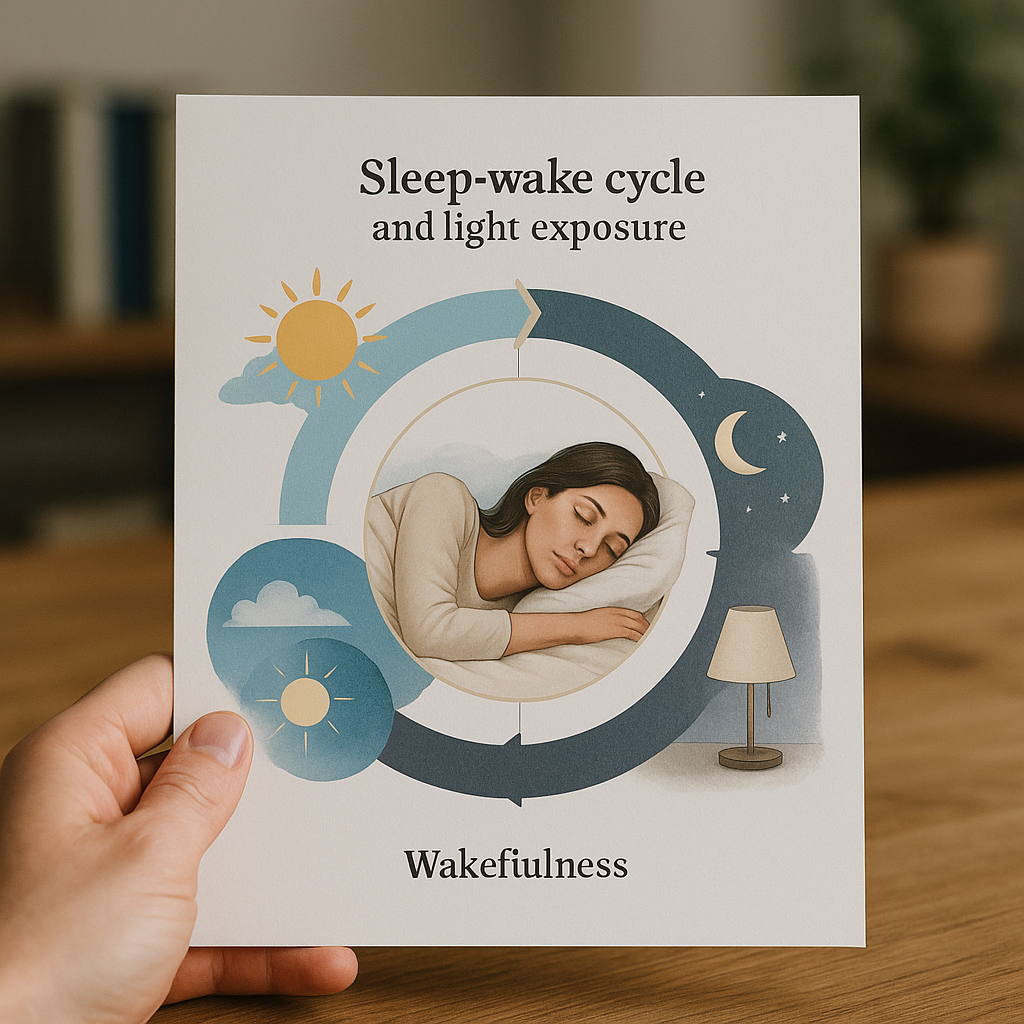
However, this internal clock, while persistent, is not perfectly aligned with the 24-hour day of our planet. Most people's endogenous rhythm is slightly longer or shorter than 24 hours. This is where external cues, known as zeitgebers (German for "time givers"), become paramount. The most powerful zeitgeber for humans is light. When light, particularly blue-spectrum light, enters your eyes, specialized cells in your retina send a direct signal to the SCN, telling it, "It's daytime!" This signal allows the SCN to reset itself daily, synchronizing your internal world with the external cycle of day and night. Without this daily reset, your internal clock would drift, and you would quickly find yourself wanting to sleep and wake at odd hours, completely out of sync with society. Understanding this synchronization process is at the heart of the circadian rhythm ap psychology definition.
This master clock in the SCN doesn't just keep time for itself. It sends out signals to synchronize a vast network of "peripheral clocks" located in almost every organ and tissue of your body, from your liver and lungs to your muscles and digestive system. These peripheral clocks regulate local processes, such as when your liver should be most active in metabolizing nutrients or when your digestive system should prepare for a meal. When your lifestyle aligns with the signals from the SCN—for example, eating during the day and sleeping at night—the entire system works in beautiful harmony. However, when you send conflicting signals—like eating a large meal in the middle of the night or being exposed to bright light when you should be sleeping—you create a state of internal chaos. The SCN is telling your body it's night, but your stomach's clock is being told it's time to digest. This internal desynchrony is a primary driver of the negative health effects associated with shift work and chronic jet lag, and it underscores the practical importance of the circadian rhythm ap psychology definition.
In the following sections, we will explore five common but critical mistakes that people make in our modern, 24/7 world that wreak havoc on this delicate internal timing system. By understanding these mistakes, you can begin to take conscious, actionable steps to realign your life with your biology, transforming your sleep, energy, and overall well-being. This journey is not just about sleeping better; it's about living in harmony with a rhythm that has been etched into our DNA over millions of years of evolution. The principles of the circadian rhythm ap psychology definition are not just academic; they are a user's manual for the human body.
The single most consequential mistake we make in our modern lives is the mismanagement of light. Our circadian system evolved over eons under the predictable cycle of a bright, blue-rich sun during the day and profound darkness at night. Today, we live in a world of "light pollution," where we spend our days in dimly lit indoor environments and our nights bathed in the artificial glow of screens and bulbs. This mismatch between our evolutionary programming and our current reality sends confusing signals to our master clock, the SCN, leading to a cascade of negative consequences. Comprehending this dynamic is a major component of the circadian rhythm ap psychology definition.
Think about your typical day. For many of us, it involves moving from our home to a car or public transport, then directly into an office, school, or other indoor space, where we remain for the majority of the day. The intensity of typical indoor lighting is a mere fraction of the intensity of natural sunlight. Even on an overcast day, the outdoor light can be many times brighter than what you experience inside.
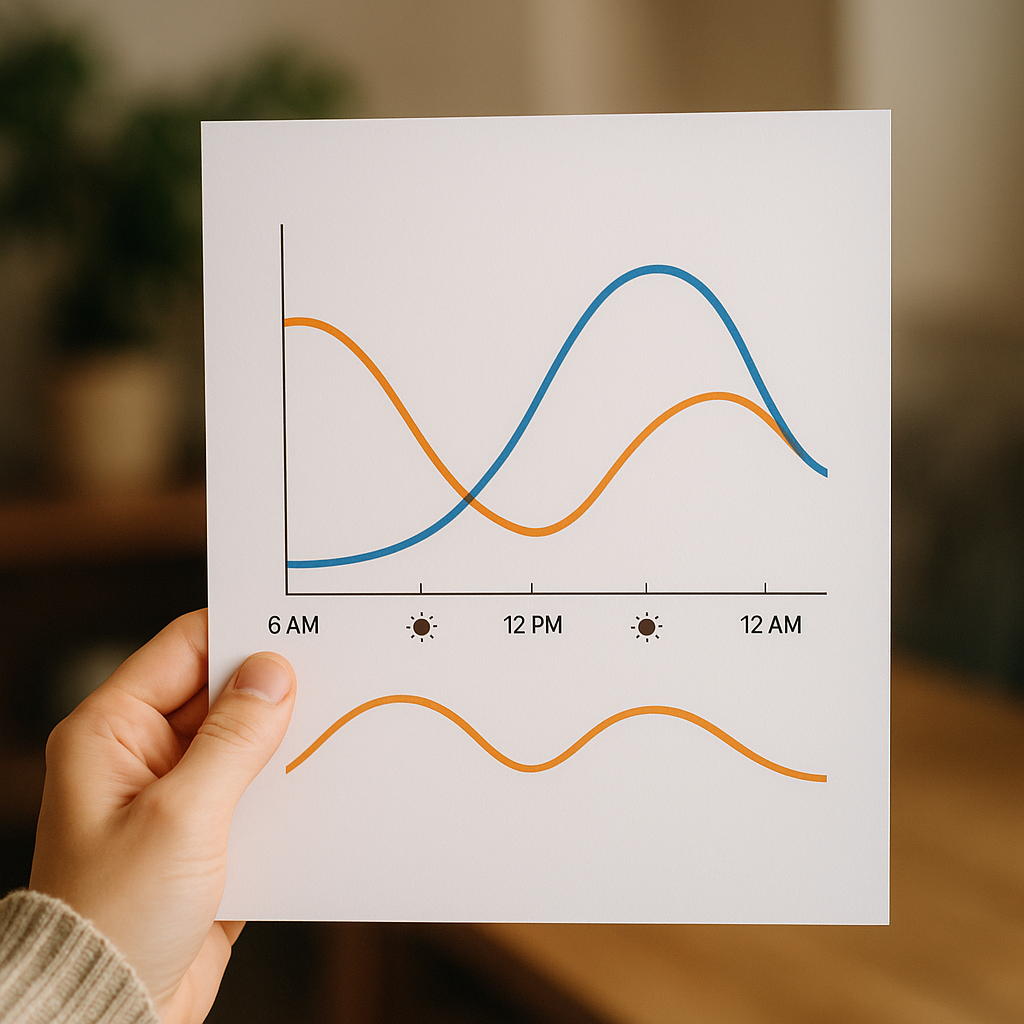
This lack of potent, daytime light exposure is a problem. Your SCN relies on a strong light signal in the morning to make a robust and clear distinction between day and night. When it receives only a weak, dim signal, the "daytime" message is muted. This can lead to a less vigorous suppression of melatonin (the hormone of darkness), a weaker cortisol awakening response (the hormone that helps you feel alert and ready for the day), and a general feeling of daytime grogginess. Your master clock essentially gets a blurry, ambiguous signal, which can delay your entire circadian rhythm, making it harder to fall asleep at an appropriate time that evening. To truly live by the circadian rhythm ap psychology definition, one must appreciate the power of morning light.
A simple mental exercise can illustrate this. Imagine your SCN is like a watch you need to set each morning. Setting it with a quick glance in a dimly lit room might get you close to the right time, but you can't be sure it's precise. Now, imagine taking that watch outside into the bright, clear morning sun. You can see the hands perfectly and set it with absolute precision. That is what you are doing for your brain when you get direct sun exposure in the morning.
To counteract this, the solution is conceptually simple yet requires a deliberate change in behavior. Aim for at least 10-30 minutes of direct, natural light exposure within the first hour of waking. This doesn't mean you need to stare into the sun. Simply being outside without sunglasses is sufficient. The light entering your eyes, even on a cloudy day, is powerful enough to send that crucial "it's morning" signal to your SCN. You could achieve this by:
Making this a non-negotiable part of your morning routine is one of the most effective actions you can take to anchor your circadian rhythm and improve your sleep and daytime energy. It is a practical application of the circadian rhythm ap psychology definition.
Just as damaging as the lack of light during the day is the overabundance of light at night. As dusk falls, your SCN expects a dramatic reduction in light, particularly in the blue and green wavelengths. This growing darkness is the signal that initiates the nightly release of melatonin from the pineal gland. Melatonin doesn't force you to sleep, but it acts as a "starter's pistol" for the race to sleep, signaling to the entire body that darkness has arrived and it's time to begin preparing for rest.
However, our evenings are filled with artificial light sources that are rich in the very blue wavelengths that are most potent at suppressing melatonin. Televisions, smartphones, tablets, laptops, and energy-efficient LED and fluorescent bulbs all emit significant amounts of this blue light. When this light hits your retina, it sends a powerful "daytime" signal to your SCN, even if it's 10 PM. Your brain is essentially being told, "The sun is still up! It's not time for melatonin yet."
This is a profound biological deception. The result is a significant delay and suppression of your natural melatonin surge. This makes it harder to fall asleep, pushes your entire sleep cycle later into the night, and reduces the overall quality of your sleep. You might eventually fall asleep out of sheer exhaustion, but you've missed the natural "gate" into sleep that melatonin helps to open. This nightly battle against our own biology is a key challenge highlighted by the circadian rhythm ap psychology definition.
To combat this, you need to create a period of "digital dusk" in the 1-3 hours before your intended bedtime. This involves:
By consciously managing your light environment, you are giving your brain the clear, unambiguous cues it needs to maintain a healthy and robust circadian rhythm. You are replacing the confusing static of modern lighting with the clear, natural signals our bodies evolved to understand. This is the first and most fundamental step in mastering the principles of the circadian rhythm ap psychology definition.
After light, the second most powerful influence on your circadian rhythm is the consistency of your behavior, particularly your sleep-wake times. Your body's internal clocks, both the master clock in the SCN and the peripheral clocks in your organs, thrive on predictability. When you go to bed and wake up at roughly the same time each day, you create a stable, repeating pattern that reinforces and strengthens your circadian rhythm. Conversely, an erratic schedule, especially one that differs dramatically between weekdays and weekends, creates a state of chronic internal disruption often called "social jetlag." Understanding the impact of this inconsistency is vital to applying the circadian rhythm ap psychology definition to daily life.
Imagine flying from New York to California every Friday evening and then flying back every Sunday night. You would spend your weekend feeling groggy, disoriented, and out of sorts, and your Monday morning would be a brutal struggle to readjust. This is precisely what many people do to their bodies every single week. They maintain a relatively consistent, perhaps sleep-deprived, schedule from Monday to Friday, and then "catch up" on sleep by staying up much later and sleeping in on Friday and Saturday nights.
This pattern sends profoundly contradictory signals to your circadian system. During the week, your body tries to adapt to an earlier wake-up time. Then, just as it's beginning to adjust, the weekend arrives, and you suddenly shift your sleep schedule two, three, or even four hours later. Your internal clocks are thrown into confusion. Your SCN, peripheral organ clocks, and various hormonal rhythms all shift to this later schedule over the weekend. Then, on Sunday night, you face the difficult task of trying to force your body to go to sleep hours earlier than it's prepared for, leading to what many call the "Sunday night scaries" or Sunday night insomnia.
When your alarm blares on Monday morning, you are effectively waking up in the middle of your biological night. Your melatonin levels may still be elevated, your core body temperature may still be near its nadir, and your cortisol level has not yet begun its natural morning rise. This feeling of being forcibly ripped from sleep is the hallmark of social jetlag. The consequences extend far beyond just feeling tired. Research has linked high levels of social jetlag to an increased risk of obesity, metabolic syndrome, type 2 diabetes, cardiovascular disease, and mood disorders. It's a clear demonstration that violating the principles of the circadian rhythm ap psychology definition has tangible health costs.
The concept of "catching up" on sleep is also largely a myth. While you can repay some of the acute sleep debt you accumulate during the week, you cannot easily undo the circadian disruption. The damage from shifting your internal clock back and forth is not erased by a few extra hours of sleep. It's like trying to fix a complex piece of machinery by hitting it with a hammer; you might get it to work temporarily, but you're causing underlying damage.
The solution to social jetlag is to cultivate a rhythm of profound consistency. This is the bedrock of good "sleep hygiene" and a core practice for anyone serious about applying the circadian rhythm ap psychology definition.
By committing to a consistent sleep-wake schedule, you provide your brain and body with the stable, predictable framework they need to function optimally. You are training your internal clocks to work in harmony, leading to more restorative sleep at night and more stable, predictable energy during the day. It may seem restrictive at first, but this rhythmic lifestyle is ultimately liberating, freeing you from the perpetual cycle of exhaustion and recovery. This discipline is a testament to a deep understanding of the circadian rhythm ap psychology definition. The consistency reinforces the signals, making the entire system more resilient and efficient.
While light exposure and sleep timing are the primary drivers of the central circadian clock, other lifestyle factors act as powerful zeitgebers for the peripheral clocks throughout your body. The timing of your meals, your exercise routines, and your consumption of stimulants like caffeine can either support or disrupt your internal rhythms. Mismanaging these inputs is a common mistake that can lead to a disconnect between your brain's master clock and the clocks in your organs, contributing to metabolic issues and poor sleep. A holistic view, as encouraged by the circadian rhythm ap psychology definition, requires attention to these secondary cues.
Your digestive system, liver, pancreas, and fat cells all contain their own circadian clocks. These clocks regulate the complex processes of metabolism, including insulin sensitivity, glucose tolerance, and fat storage. They are programmed to be most active and efficient during your biological "daytime," when our ancestors would have been foraging for food. They expect to rest and repair during the biological "night."
When you eat at erratic times, or especially when you eat late at night, you send a confusing signal to these metabolic clocks. Your SCN is signaling that it's nighttime and time to prepare for fasting and repair, but the arrival of food forces your digestive system and liver to ramp up into "active" mode. This conflict between central and peripheral clocks is a recipe for metabolic dysfunction.
Studies have shown that consuming the same number of calories late at night versus earlier in the day can lead to higher blood sugar, reduced insulin sensitivity, and a greater propensity for fat storage. Your body is simply not as well-equipped to handle a large influx of nutrients when it's biologically prepared for sleep. This is a crucial insight from the practical application of the circadian rhythm ap psychology definition.
To align your eating patterns with your circadian rhythm:
Physical activity is another powerful zeitgeber. The timing of your exercise can influence your circadian rhythm in different ways.
The key is to experiment and see what works for your body, but as a general rule, try to complete any intense exercise at least 3 hours before bed. Listening to your body's response is part of personalizing the general principles of the circadian rhythm ap psychology definition.
Caffeine is the world's most popular psychoactive drug, and for good reason: it's incredibly effective at promoting alertness. It works primarily by blocking the action of adenosine, a neurochemical that builds up in your brain throughout the day and creates "sleep pressure." By blocking adenosine receptors, caffeine masks your feelings of fatigue.
This can be a useful tool, but it's also easy to misuse. The problem is that caffeine has a long half-life, typically around 5-7 hours, but with significant genetic variability. This means that if you have a cup of coffee at 3 PM, half of that caffeine could still be active in your system at 9 PM, actively working against your body's natural drive to sleep.
Even if you are able to fall asleep, caffeine consumed late in the day has been shown to reduce the amount of deep, slow-wave sleep you get, leaving you feeling less restored the next morning. This can create a vicious cycle: you wake up feeling unrefreshed, so you consume more caffeine to get through the day, which then further disrupts your sleep that night.
To use caffeine wisely in accordance with the circadian rhythm ap psychology definition:
By thoughtfully managing these three inputs—food, exercise, and caffeine—you can provide powerful, synchronizing cues to your body's network of internal clocks, reinforcing the master rhythm set by light and your sleep-wake schedule. This integrated approach is essential for achieving true circadian health.
Falling asleep is not like flipping a switch; it's more like descending a complex, winding staircase. A full night of sleep is composed of multiple cycles, each containing distinct stages with unique brainwave patterns and physiological functions. Many people focus solely on the quantity of sleep they get, but the quality—determined by the proper cycling through these stages—is just as vital. Overlooking the importance of this "sleep architecture" is a significant mistake, as each stage plays an irreplaceable role in your mental and physical restoration. A thorough circadian rhythm ap psychology definition must also account for the structure of sleep itself.
Our journey through the night involves two main types of sleep: Non-Rapid Eye Movement (NREM) sleep and Rapid Eye Movement (REM) sleep. Within a single night, we typically cycle through these stages 4 to 6 times, with each cycle lasting approximately 90-110 minutes (Patel et al., 2024).
Let's walk through a typical cycle to understand the unique contribution of each stage.
| Sleep Stage | Type | Key Characteristics | Primary Function |
|---|---|---|---|
| N1 (Stage 1) | NREM | Very light sleep; transition from wakefulness. Slowing brainwaves (theta waves), muscle twitches. | Entry point into sleep. |
| N2 (Stage 2) | NREM | Light sleep, but deeper than N1. Body temperature drops, heart rate slows. Characterized by sleep spindles and K-complexes on EEG. | Memory consolidation, sensory gating. Comprises the largest portion of total sleep time (~45%). |
| N3 (Stage 3) | NREM | Deep sleep or "slow-wave sleep" (SWS). Dominated by high-amplitude, low-frequency delta waves. Very difficult to awaken. | Physical restoration, tissue repair, growth hormone release, immune system strengthening. |
| REM | REM | "Paradoxical sleep." Brain is highly active (beta waves, similar to wakefulness), but body is paralyzed (atonia). Rapid eye movements, vivid dreaming. | Emotional processing, memory consolidation (especially for procedural and spatial skills), creativity. |
A typical progression through a cycle looks like this: Wake -> N1 -> N2 -> N3 -> N2 -> REM.
Early in the night, our sleep cycles are dominated by deep N3 sleep. This is when the majority of your body's physical repair work gets done. As the night progresses, the periods of N3 sleep shorten, and the periods of REM sleep lengthen. Your longest and most intense dream-filled REM stages occur in the final hours of sleep, closer to your natural wake-up time.
This architectural shift is no accident. It reflects a nightly prioritization: first, secure the most pressing physical restoration, then dedicate more time to the complex mental and emotional processing of REM sleep. This is why cutting your sleep short, even by an hour, can be so detrimental. If you normally need eight hours of sleep but only get seven, you aren't just losing one-eighth of your sleep; you are disproportionately losing a massive chunk of your final, longest REM cycle, which is crucial for emotional regulation and learning. This is a critical nuance often missed by a superficial circadian rhythm ap psychology definition.
Understanding the role of REM sleep is particularly important. The rem sleep ap psychology definition describes it as a unique stage of sleep characterized by random rapid movement of the eyes, accompanied by low muscle tone throughout the body, and the propensity of the sleeper to dream vividly. During REM, your brain is wildly active, consuming as much or even more energy than when you're awake. Brain regions involved in emotion (like the amygdala) and memory (like the hippocampus) are highly engaged.
Scientists believe REM sleep serves several vital functions:
Many common lifestyle choices inadvertently sabotage REM sleep. Consuming alcohol before bed is a primary culprit. Alcohol is a sedative, and it can help you fall asleep faster, but as it's metabolized, it severely fragments and suppresses REM sleep in the second half of the night. You might sleep for eight hours, but you wake up feeling mentally foggy and unrestored because you've been deprived of this critical stage. This is a common practical scenario that illustrates the importance of the rem sleep ap psychology definition.
To protect and foster a healthy balance of all your sleep stages, you must apply the principles we've already discussed. A strong, stable circadian rhythm is the foundation for healthy sleep architecture.
By moving beyond a simple focus on hours slept and beginning to appreciate the intricate, purposeful journey your brain takes each night, you can make more informed choices to protect the quality of your rest. You can even use modern technology, like the data provided by wearable health trackers, to get a nightly glimpse into your own sleep stages, helping you correlate your daily habits with your body's restorative processes. It's a powerful way to make the circadian rhythm ap psychology definition and the rem sleep ap psychology definition tangible parts of your personal health journey.
Our bodies have an eloquent way of communicating when something is wrong. Feelings of persistent daytime fatigue, difficulty concentrating, mood swings, and trouble sleeping are not just minor inconveniences to be powered through with another cup of coffee. They are often vital signals that your circadian rhythm is misaligned or that you may be dealing with an underlying sleep disorder. Ignoring these signs is the fifth critical mistake, one that can allow correctable issues to snowball into chronic health problems. A comprehensive understanding of the circadian rhythm ap psychology definition must include the recognition of its pathological states.
When circadian disruption becomes severe and chronic, it can manifest as a clinical sleep disorder. Two particularly illustrative examples are narcolepsy and REM sleep behavior disorder, both of which represent profound failures in the brain's ability to regulate the boundaries between sleep and wakefulness.
Narcolepsy is a chronic neurological condition that dramatically impairs the brain's ability to control its sleep-wake cycles. The narcolepsy ap psychology definition describes it as a sleep disorder characterized by overwhelming daytime sleepiness and sudden attacks of sleep. Individuals with narcolepsy live in a world where the line between being awake and being asleep is dangerously blurred.
The primary symptoms of narcolepsy include:
At its core, narcolepsy—particularly Type 1 narcolepsy—is now understood to be an autoimmune disorder. The body's immune system mistakenly attacks and destroys a specific group of neurons in the hypothalamus that produce a neuropeptide called hypocretin (also known as orexin) (National Institute of Neurological Disorders and Stroke, n.d.). Hypocretin acts like a stabilizing switch, reinforcing the "wake" state and preventing inappropriate transitions into sleep, especially REM sleep.
Without hypocretin, the sleep-wake system becomes incredibly unstable. This is why individuals with narcolepsy often enter the REM sleep stage almost immediately upon falling asleep (within 15 minutes, compared to the usual 90 minutes), and why elements of REM sleep—like muscle paralysis (cataplexy) and vivid dreaming (hallucinations)—can intrude into wakefulness. The study of this condition provides profound insights into the mechanisms that maintain our sleep states, enriching the narcolepsy ap psychology definition and our broader understanding of sleep. Understanding the narcolepsy ap psychology definition is not just academic; it highlights the devastating consequences of a broken sleep-wake switch.
In a healthy individual, the transition into REM sleep is accompanied by a state of near-total muscle paralysis, called atonia. This is a brilliant evolutionary safety feature that prevents you from physically acting out your often-vivid dreams. The rem sleep behavior disorder ap psychology definition describes a condition where this paralysis is absent or incomplete. As a result, individuals physically and often violently enact their dreams.
A person with REM Sleep Behavior Disorder (RBD) might be dreaming they are being attacked and, in their sleep, punch, kick, shout, or leap out of bed, potentially injuring themselves or their bed partner (Mayo Clinic, 2018). When awakened, they are typically alert and can recall the vivid, action-packed dream that corresponded to their movements.
RBD is caused by a failure of the brainstem circuits, particularly in the pons, that are responsible for orchestrating REM atonia. While it can be a side effect of certain medications or withdrawal, idiopathic RBD (meaning it arises without a clear cause) is now recognized as a major red flag. It is a powerful predictor of future neurodegenerative disease. A significant majority of individuals diagnosed with idiopathic RBD will go on to develop a synucleinopathy—a class of brain diseases that includes Parkinson's disease, Lewy body dementia, and multiple system atrophy—often within a decade. The emergence of RBD can predate the classic motor symptoms of these diseases by many years, making the rem sleep behavior disorder ap psychology definition a critical piece of knowledge for early neurological screening.
The existence of the rem sleep behavior disorder ap psychology definition in psychology curricula underscores the deep connection between sleep processes and broader neurological health. It's a stark reminder that what happens during sleep is not isolated from our waking life.
While narcolepsy and RBD are relatively rare, they represent the extreme end of a spectrum of sleep disruption that many people experience in milder forms. It is essential to listen to your body's signals and not dismiss them.
| Symptom | Possible Underlying Issue | Action to Consider |
|---|---|---|
| Chronic Daytime Fatigue (despite 7-9 hours of sleep opportunity) | Circadian Misalignment, Sleep Apnea, Poor Sleep Quality | Improve sleep hygiene, get morning light. Consult a doctor for a sleep study. |
| Difficulty Falling Asleep (taking >30 mins regularly) | Circadian Rhythm Delay, Anxiety, Poor Wind-Down Routine | Implement a "digital dusk," establish a relaxing pre-sleep routine, avoid late caffeine. |
| Waking Frequently at Night | Fragmented Sleep, Alcohol Use, Sleep Apnea, Bedroom Environment Issues | Avoid alcohol before bed, ensure the room is cool, dark, and quiet. Consult a doctor. |
| Loud, Chronic Snoring (especially with gasping/choking sounds) | High likelihood of Obstructive Sleep Apnea | Medical evaluation is strongly recommended. This is a serious health condition. |
| Unusual or Violent Behaviors During Sleep | Possible Parasomnia like RBD or Sleepwalking | Immediate consultation with a sleep specialist is necessary for safety and diagnosis. |
If you experience any of these symptoms persistently, it is not a sign of weakness; it is a call to action. The first step is to rigorously implement the lifestyle changes discussed in the previous sections for several weeks. Track your habits and symptoms. You can gain incredible insight from the data provided by a MAYASSI smart ring, which tracks metrics like sleep duration, sleep stages, resting heart rate, and heart rate variability, giving you objective feedback on how your lifestyle changes are impacting your physiology.
If symptoms persist despite these efforts, it is time to consult a healthcare professional, preferably a sleep medicine specialist. They can conduct a thorough evaluation, which may include a clinical sleep study (polysomnogram), to get a definitive diagnosis. Conditions like sleep apnea, narcolepsy, and RBD are treatable medical issues. Ignoring them not only compromises your quality of life but also puts you at significant risk for more severe long-term health consequences. Paying attention to these signals is the ultimate practical application of the circadian rhythm ap psychology definition, the narcolepsy ap psychology definition, and the rem sleep behavior disorder ap psychology definition.
What exactly is the circadian rhythm ap psychology definition? The circadian rhythm ap psychology definition refers to the body's natural, internal process that regulates the sleep-wake cycle and repeats on a roughly 24-hour basis. It's often called the "body clock." This rhythm is controlled by a master clock in the brain's hypothalamus (the SCN) and is synchronized with the external environment primarily by light. It influences not just sleep but also hormone levels, metabolism, and body temperature.
How is REM sleep different from other sleep stages? The rem sleep ap psychology definition highlights it as a unique phase of sleep where the brain is highly active, almost as if awake, while the body's major voluntary muscles are temporarily paralyzed (a state called atonia). This is the stage where most vivid, story-like dreaming occurs. Unlike the deep, restorative NREM sleep (stages N1-N3), REM sleep is crucial for emotional regulation, memory consolidation, and processing learned skills.
What is the difference between narcolepsy and just being very tired? The narcolepsy ap psychology definition distinguishes it as a chronic neurological disorder, not just extreme tiredness. Its hallmark is Excessive Daytime Sleepiness (EDS) characterized by sudden, irresistible "sleep attacks." It is also often accompanied by cataplexy (sudden muscle weakness triggered by emotion), which is not a feature of normal fatigue. Narcolepsy results from a specific biological deficit—usually the loss of hypocretin-producing neurons—that destabilizes the entire sleep-wake system.
Is REM sleep behavior disorder the same as sleepwalking? No, they are distinct. The rem sleep behavior disorder ap psychology definition specifies that it occurs during REM sleep and involves the failure of the normal muscle paralysis (atonia), causing people to act out their dreams. In contrast, sleepwalking (somnambulism) occurs during NREM Stage 3 deep sleep. A person who is sleepwalking is not acting out a dream and is typically confused and unresponsive if awakened.
Can I reset my circadian rhythm if it's off? Yes, you can. The most effective way to reset your rhythm is by controlling your zeitgebers or "time givers." Get 10-30 minutes of direct sunlight exposure within an hour of your desired wake-up time. Maintain a strictly consistent wake time every day, including weekends. Avoid bright light, especially from screens, for 2-3 hours before bed. Align your meals and exercise to your daytime hours. This consistent routine will gradually entrain your internal clock to your desired schedule.
How much does my sleep schedule on the weekend really matter? It matters a great deal. Drastically changing your sleep schedule on weekends creates "social jetlag," where you are constantly shifting your body's internal clock back and forth. This desynchronization is linked to negative health outcomes like metabolic issues and mood disturbances. To support your circadian rhythm, try to keep your weekend wake-up time within one hour of your weekday wake-up time.
Why is alcohol bad for sleep if it helps me fall asleep? Alcohol is a sedative that can indeed reduce the time it takes to fall asleep. However, as your body metabolizes the alcohol during the night, it leads to a "rebound effect." It disrupts your sleep architecture, significantly suppressing and fragmenting REM sleep in the second half of the night. This is why you can sleep for a full eight hours after drinking but still wake up feeling mentally foggy and unrestored.
What are sleep spindles and K-complexes? These are specific brainwave patterns observed on an EEG that are the defining characteristics of Stage 2 (N2) NREM sleep. Sleep spindles are short bursts of high-frequency brain activity, and K-complexes are large, slow waves. Both are thought to play a role in memory consolidation and in keeping you asleep by suppressing your response to external stimuli. They represent the brain actively working to protect and process information during sleep.
We have journeyed through the intricate world of our internal clocks, exploring the profound principles encapsulated within the circadian rhythm ap psychology definition. This is not merely an academic term but a fundamental blueprint for our health and well-being. We have seen how the master clock in our brain, the SCN, tirelessly keeps time, guided by the powerful cues of light and darkness. We have also uncovered how our modern lives, filled with dim days and bright nights, erratic schedules, and ill-timed meals, create a state of chronic conflict with this ancient biological rhythm.
Understanding the five common mistakes—ignoring light cues, maintaining inconsistent schedules, mismanaging lifestyle inputs, overlooking sleep architecture, and neglecting warning signs—is the first step toward reclaiming your vitality. Each mistake highlights a point of leverage, an opportunity to make a conscious choice that aligns your behavior with your biology. By embracing bright mornings and dim evenings, cultivating a rhythm of consistency, timing your food and exercise, and respecting the vital work of both deep and REM sleep, you can move from a state of internal chaos to one of harmonious synchrony.
The exploration of conditions like narcolepsy and REM sleep behavior disorder provides a stark reminder of what is at stake. The narcolepsy ap psychology definition and the rem sleep behavior disorder ap psychology definition are not just curiosities; they are windows into the delicate machinery that governs our states of consciousness. They reveal the critical importance of the neurochemical switches that maintain the stable barrier between our sleeping and waking worlds.
Ultimately, mastering your circadian rhythm is an act of profound self-care. It requires patience, consistency, and a willingness to listen to the subtle signals your body is sending you. In a world that constantly pushes us to be "on" 24/7, choosing to live in sync with our internal rhythm is a radical act. It is a commitment to honoring the evolutionary wisdom encoded in our very cells, paving the way for more restorative sleep, more vibrant energy, and a more resilient mind and body in 2026 and beyond.
Britannica. (2026, April 9). REM sleep.
Cleveland Clinic. (2023, June 19). Sleep.
Feriante, J., & Araujo, J. F. (2023). Physiology, REM sleep. In StatPearls. StatPearls Publishing. https://www.ncbi.nlm.nih.gov/books/NBK531454/
Mayo Clinic. (2018, January 18). REM sleep behavior disorder.
National Heart, Lung, and Blood Institute. (2022, March 24). How sleep works.
National Institute of Neurological Disorders and Stroke. (n.d.). Narcolepsy.
Patel, A. K., Reddy, V., Shumway, K. R., & Araujo, J. F. (2024). Physiology, sleep stages. In StatPearls. StatPearls Publishing.