

An examination of the relationship between sleep deprivation and physical tremors reveals a direct physiological link. Insufficient sleep acts as a significant stressor on the central nervous system, leading to an amplification of the body's natural physiologic tremor. This phenomenon, known as enhanced physiologic tremor, stems from a cascade of neurological and hormonal disruptions. Sleep loss can alter the delicate balance of neurotransmitters responsible for motor control, such as dopamine and GABA, while simultaneously elevating levels of stress hormones like cortisol. This combination impairs the brain's ability, particularly within the cerebellum, to coordinate and smooth out muscle movements, resulting in perceptible shakiness. While often benign and reversible with adequate rest, these tremors can significantly impact daily activities and cause distress. Understanding this connection is the first step toward implementing targeted strategies, including behavioral adjustments, lifestyle modifications, and, when necessary, seeking professional medical evaluation to rule out other underlying pathologies.

Have you ever felt that unnerving quiver in your hands after a night of tossing and turning? You reach for your morning cup of coffee, and your hand just won't stay steady. It is a disquieting experience, one that can make you question what is happening within your own body. The query, "can lack of sleep cause shakiness?" is not just a passing thought for many; it is a tangible and often worrying reality. The connection is not imagined. A profound and direct relationship exists between the quality of our rest and the stability of our physical selves. To grasp this, we must first journey into the intricate workings of the nervous system and appreciate sleep not as a passive state, but as a vital, active process of neurological restoration.
Think of your nervous system as a highly sophisticated electrical grid, with the brain acting as the central command center. It sends out millions of precise signals every second to control everything from your heartbeat to the fine motor skills required to type a message. 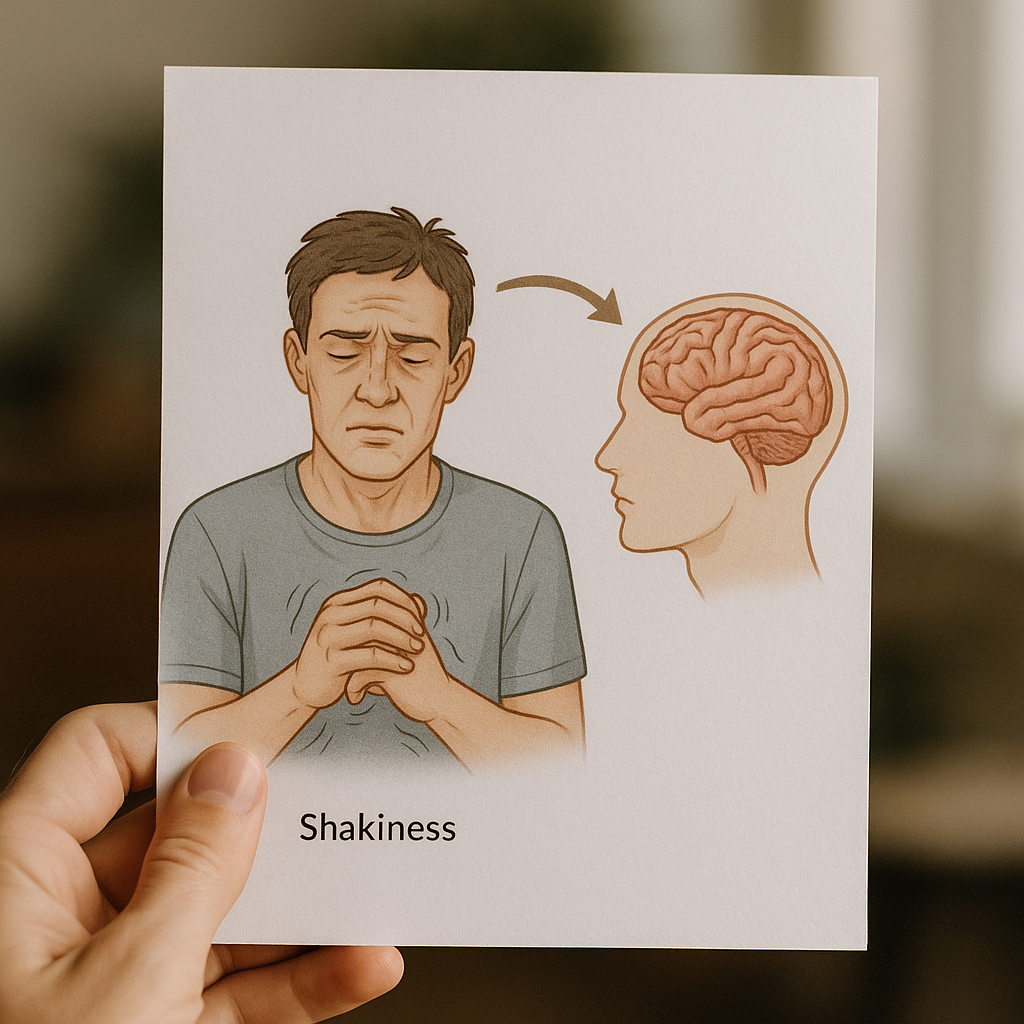 For this grid to function optimally, it requires regular periods of maintenance and "defragmentation." This maintenance period is what we call sleep. During sleep, the brain diligently works to consolidate memories, clear out metabolic waste products that accumulate during waking hours, and recalibrate its delicate chemical balance (National Institute of Neurological Disorders and Stroke, 2024). When you deprive the system of this essential maintenance, the grid begins to show signs of strain. Signals can become noisy, misdirected, or over-amplified, and one of the most common manifestations of this systemic fatigue is shakiness, or what is clinically known as a tremor.
At its core, a tremor is an involuntary, rhythmic muscle contraction that leads to shaking movements in one or more parts of the body (Cleveland Clinic, 2024). It is important to understand that everyone has a very subtle, low-amplitude tremor known as a physiologic tremor. If you hold your hands outstretched, you will notice they are not perfectly still; this is that natural tremor, and it is usually imperceptible.
The issue arises when this physiologic tremor becomes exaggerated or "enhanced." An enhanced physiologic tremor is not a disease in itself but rather the body's response to a physiological stressor. Imagine turning up the volume on a speaker that already has a bit of background static. At a low volume, the static is unnoticeable, but when you crank it up, the static becomes a loud, distracting hum. Sleep deprivation is one of the most potent "volume knobs" for our natural tremor. Other common amplifiers include stress, anxiety, excessive caffeine intake, and certain medications (Harvard Health Publishing, 2024).
Tremors are generally categorized into two main types based on when they occur:
When you are sleep-deprived, the action tremor, particularly the postural type, is what becomes most prominent. Your nervous system, running on fumes, loses some of its finesse in orchestrating muscle stability.
So, what is happening on a chemical and electrical level that causes this shakiness? The sleep deprivation effects are multi-faceted, creating a perfect storm for an unstable nervous system.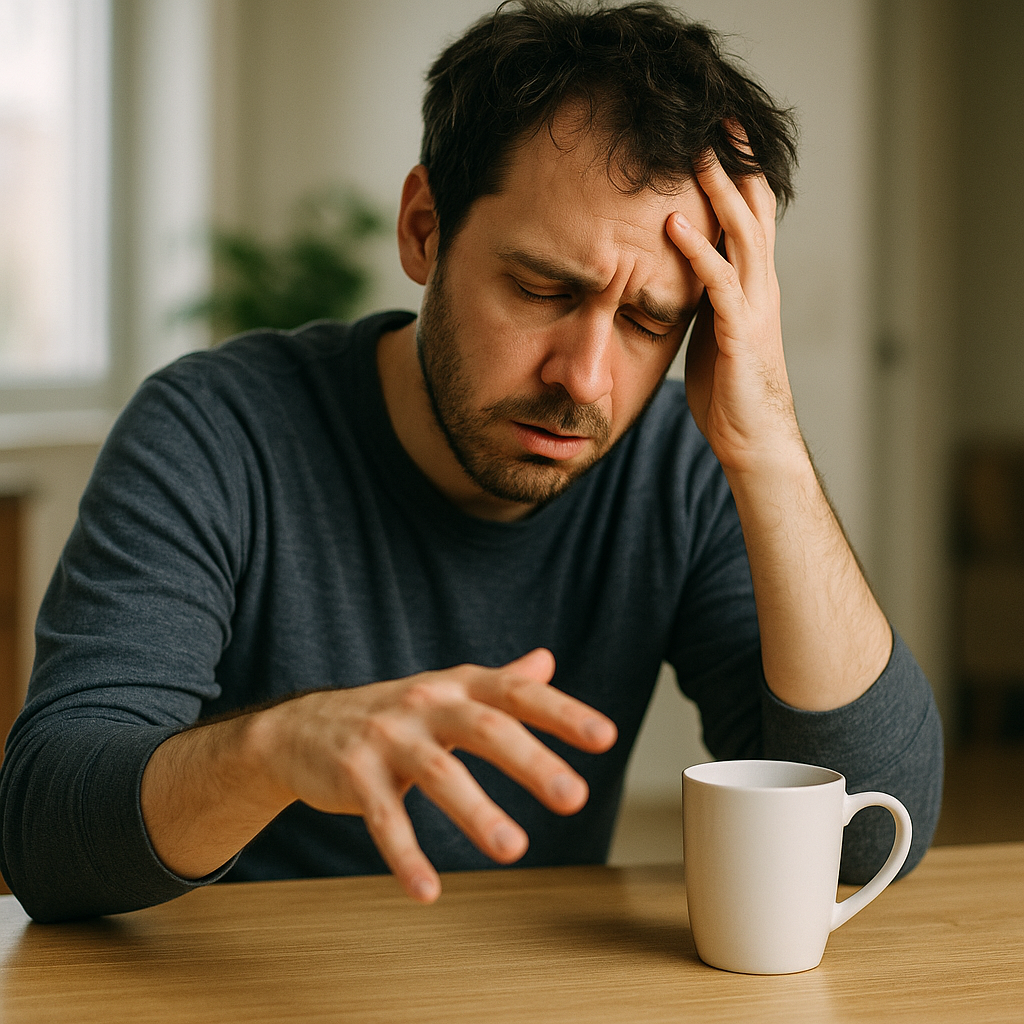
First, consider the role of neurotransmitters, the chemical messengers that allow nerve cells to communicate. Sleep is crucial for regulating these chemicals. A lack of sleep can lead to an imbalance, particularly with neurotransmitters that help control movement. For example, systems involving GABA (gamma-aminobutyric acid), an inhibitory neurotransmitter that helps calm nerve activity, can become less effective. With fewer "calm down" signals, the nervous system can become hyperexcitable, leading to the muscular oscillations we perceive as shaking.
Second, sleep deprivation triggers the body's stress response. Your body interprets a lack of sleep as a threat, and in response, the adrenal glands ramp up the production of cortisol, the primary stress hormone. Elevated cortisol levels put the body in a state of high alert, increasing heart rate, blood pressure, and muscle tension. This "fight-or-flight" state directly contributes to an enhanced physiologic tremor (eMedicineHealth, 2021). It is the same reason your hands might shake before giving a big speech; the physiological mechanism is remarkably similar.
Third, the cerebellum, a region at the back of the brain, is profoundly affected by fatigue. The cerebellum is like the body's master coordinator, responsible for ensuring smooth, accurate, and coordinated movements. It fine-tunes the motor commands sent from the brain's motor cortex. When you are sleep-deprived, the cerebellum's processing speed and accuracy diminish. It struggles to make the minute-by-minute adjustments needed to maintain steady posture and fluid motion. The result is a less-coordinated output, which manifests as a tremor. The shakiness is, in essence, the audible evidence of a system struggling to maintain its equilibrium without its necessary restorative period.
A crucial point of consideration is distinguishing the benign, albeit annoying, shakiness from sleep loss from more serious neurological conditions. The anxiety produced by the tremor itself can lead one's mind to darker possibilities. However, key differences in the characteristics of the tremor can offer valuable clues. The following table provides a comparative overview to help contextualize your symptoms. It is vital to remember this is for informational purposes and is not a substitute for a professional diagnosis.
| Feature | Enhanced Physiologic Tremor (from Sleep Deprivation) | Essential Tremor | Parkinsonian Tremor |
|---|---|---|---|
| When it Occurs | Primarily an action tremor (with posture or movement). Not present at rest. | Almost always an action tremor. Worsens with goal-directed movement. | Primarily a rest tremor. Often improves or disappears with purposeful movement. |
| Body Parts Affected | Most commonly affects both hands. Can affect voice or head in severe cases. | Typically starts in the hands/arms, often symmetrically. Can affect the head and voice. | Usually starts asymmetrically (one hand or one side of the body). Can spread over time. |
| Appearance | Fine, rapid shaking. | Rhythmic, more pronounced shaking than physiologic tremor. | Slower, "pill-rolling" motion of the thumb and forefinger. |
| Associated Symptoms | Fatigue, irritability, difficulty concentrating, headache. Symptoms are directly tied to sleep quality. | Usually no other neurological symptoms. It is a diagnosis of exclusion. | Stiffness (rigidity), slowness of movement (bradykinesia), balance problems, shuffling gait. |
| Effect of Alcohol | May temporarily worsen or have no effect. Alcohol disrupts sleep, potentially creating a vicious cycle. | Often temporarily improves with a small amount of alcohol (not a recommended treatment). | No significant effect or may worsen symptoms. |
| Resolving Factor | Improves or resolves completely with adequate, restorative sleep. | Does not resolve with sleep. It is a chronic, often progressive condition. | Does not resolve with sleep. Managed with specific medications like Levodopa. |
Understanding these distinctions can provide a degree of reassurance. If your shakiness appears after a night of poor sleep, is primarily present when you are using your hands, and disappears once you are well-rested, it strongly suggests an enhanced physiologic tremor is the culprit. However, if the tremor is present at rest, is worsening over time regardless of your sleep habits, or is accompanied by other symptoms like stiffness or balance issues, a medical evaluation becomes imperative.
If we accept that the root cause of this particular type of shakiness is a lack of restorative sleep, then the most direct and effective solution is to improve the quantity and quality of that sleep. This is achieved through the practice of good "sleep hygiene." This term refers to a set of habits and practices that are conducive to sleeping well on a regular basis. It is about creating a behavioral framework that invites sleep rather than demands it.
The human body thrives on rhythm. Our most powerful internal clock is the circadian rhythm, a roughly 24-hour cycle that governs our sleep-wake patterns, hormone release, and body temperature. This rhythm is primarily regulated by light exposure but is powerfully reinforced by consistent behavior. Going to bed and waking up at the same time every day—yes, even on weekends—is the single most effective thing you can do to stabilize your circadian rhythm.
Think of it like training a pet. If you feed it at the same time every day, it learns to expect food at that time. Similarly, by maintaining a strict sleep schedule, you are training your brain to anticipate sleep. It will begin the physiological processes of winding down—like releasing melatonin and lowering your core body temperature—on schedule. This consistency reduces the "sleep pressure" battle that many people face at night, making it easier to fall asleep and stay asleep. When your sleep is deep and consolidated, the nervous system gets the full maintenance cycle it needs, directly reducing the likelihood of experiencing sleep deprivation effects like shakiness the next day.
You cannot expect to go from a state of high-alert activity straight into peaceful slumber. The transition needs to be gradual. A "wind-down" routine, lasting 30 to 60 minutes, acts as a buffer between your busy day and your restful night. This ritual signals to your brain and body that the time for sleep is approaching.
The key is to choose activities that are calming and screen-free. The blue light emitted from phones, tablets, and computers is particularly disruptive, as it directly suppresses the production of melatonin, the hormone that signals sleepiness. Instead, consider these alternatives:
The specific activities are less important than the consistency of the ritual. It is the repetition that builds the powerful, sleep-inducing association in your brain.
Your bedroom should be a sanctuary for sleep and nothing else. The environment itself should communicate rest to your senses. The ideal sleep environment can be summarized with three words: cool, dark, and quiet.
By transforming your bedroom into a haven for rest, you eliminate the environmental variables that can fragment your sleep and leave your nervous system in a state of fatigue, thereby preventing the very shakiness you seek to avoid.
While mastering sleep hygiene provides the foundational framework for better rest, it can sometimes feel like you are flying blind. You might feel like you slept for eight hours, but why do you still wake up groggy and unsteady? The answer often lies in the quality, not just the quantity, of your sleep. Modern technology offers an unprecedented window into the hidden architecture of our nightly rest, transforming abstract feelings into concrete, actionable data.
Sleep is not a monolithic state. It is a dynamic journey through several distinct stages: light sleep, deep sleep, and REM (Rapid Eye Movement) sleep. Each stage serves a unique restorative purpose.
You can get a full eight hours of "sleep," but if that time is spent predominantly in light sleep with minimal deep and REM sleep due to frequent awakenings (even ones you do not remember), your brain and body will not get the restoration they need. This is where the shakiness comes from. You have logged the hours, but you have missed the maintenance. Sleep tracking allows you to move beyond the simple metric of duration and analyze the composition of your sleep, identifying the specific deficiencies that need to be addressed.
The field of personal health monitoring has evolved dramatically. Early wrist-worn trackers primarily used accelerometers to guess sleep patterns based on movement. Today's advanced devices, particularly smart rings, offer a far more sophisticated and accurate analysis by incorporating a suite of advanced sensors.
These devices typically measure key physiological signals, including:
By synthesizing this data, these devices can provide a detailed breakdown of your sleep stages, total sleep time, time to fall asleep, and number of awakenings.
This is where technology becomes a powerful tool for self-discovery and problem-solving. A device like a Mayissi smart ring can help you become a detective in your own health journey. Instead of vaguely wondering, "can lack of sleep cause shakiness?", you can start drawing direct, data-backed conclusions.
Imagine this scenario: You wake up on a Tuesday morning with noticeably shaky hands. It is frustrating and a bit concerning. Instead of just guessing, you open the app connected to your smart ring. The data reveals you only had 15 minutes of deep sleep, compared to your usual average of 90 minutes. You also see your resting heart rate was elevated all night, and your HRV was significantly lower than normal. The app might also show several micro-awakenings around 2 a.m. You then recall having a stressful work email come in just before bed.
Suddenly, the picture is crystal clear. The stress from the email likely kept your nervous system in a state of high alert, preventing you from entering deep sleep and causing fragmented rest. The shakiness is not a random mystery; it is a direct physiological consequence of a specific, measurable event. This data empowers you in several ways:
By leveraging technology, you move from passive suffering to active management, using personalized data to fine-tune your lifestyle and reclaim your stability.
While sleep is the central pillar, our daily dietary and lifestyle choices create the broader physiological environment in which our nervous system operates. Certain substances can act as direct agitators, while specific deficiencies can undermine neurological function, making the system more susceptible to the effects of sleep deprivation. Fine-tuning these inputs can provide significant relief from shakiness.
These three substances are common features of modern life, but each can have a profound impact on both sleep quality and nervous system excitability. Their effects can be direct causes of tremors or can exacerbate the shakiness caused by a lack of sleep.
| Substance | Impact on Sleep | Impact on Tremors |
|---|---|---|
| Caffeine | A well-known stimulant that blocks adenosine, a neurotransmitter that promotes sleep. It can make it harder to fall asleep, reduce deep sleep, and increase nighttime awakenings. Its long half-life means an afternoon coffee can affect sleep many hours later. | Directly stimulates the central nervous system, which can cause an enhanced physiologic tremor on its own. When combined with sleep deprivation, the effect is amplified significantly (eMedicineHealth, 2021). |
| Alcohol | Often used as a sleep aid because it can induce drowsiness. However, as the body metabolizes it, alcohol fragments sleep, particularly suppressing REM sleep in the latter half of the night. This leads to unrefreshing sleep. | Can cause tremors through multiple mechanisms. Alcohol withdrawal is a well-known cause of severe tremors. Chronic use can damage the cerebellum, leading to a persistent intention tremor (National Institute of Neurological Disorders and Stroke, 2024). |
| Nicotine | A potent stimulant that increases heart rate and blood pressure. Smokers often experience withdrawal symptoms during the night, which can lead to awakenings and fragmented sleep. | The stimulant properties of nicotine can directly cause or worsen tremors, similar to caffeine. The anxiety associated with withdrawal can also contribute to shakiness. |
The practical advice is clear:
Two often-overlooked factors that can cause or worsen shakiness are dehydration and unstable blood sugar levels.
To maintain stability, focus on eating regular, balanced meals that include complex carbohydrates, protein, and healthy fats. This provides a slow, steady release of energy, preventing the dramatic peaks and troughs in blood sugar that can trigger tremors.
The nervous system relies on a host of vitamins and minerals to maintain its structure and function. A deficiency in Vitamin B12, in particular, can have significant neurological consequences, including tremors, numbness, and tingling in the limbs (eMedicineHealth, 2021). Vitamin B12 is essential for maintaining the myelin sheath, the protective coating around nerve fibers that allows for rapid and efficient signal transmission. When this sheath is compromised, nerve signaling can become erratic.
While a true deficiency is most common in older adults, vegetarians/vegans (as B12 is primarily found in animal products), and individuals with certain digestive conditions, it is a factor worth considering if tremors are persistent. Other important micronutrients for nervous system health include magnesium, which has a calming effect, and omega-3 fatty acids, which are crucial for brain cell structure. A balanced diet rich in fruits, vegetables, lean proteins, and healthy fats is the best way to ensure you are getting these essential nutrients. If you suspect a deficiency, a simple blood test ordered by your doctor can provide a definitive answer.
There exists a pernicious, self-reinforcing cycle between stress, sleep, and shakiness. High levels of stress can make it nearly impossible to get a good night's sleep. The resulting sleep deprivation then makes the nervous system hyperexcitable, causing physical symptoms like tremors. Experiencing these tremors, in turn, can be a source of significant anxiety and stress, which then further disrupts sleep. Breaking this cycle requires proactive strategies to manage stress and calm the overactive nervous system.
When you are stressed, your body is in a state of physiological arousal mediated by the sympathetic nervous system—the "fight-or-flight" response. This state is characterized by elevated cortisol, increased heart rate, and muscle tension. This is the antithesis of the calm, relaxed state required for sleep. You might find yourself lying in bed, mind racing, unable to shut off the internal monologue of worries and anxieties.
After a night of this restless, fragmented sleep, you wake up feeling unrefreshed. Your already-stressed nervous system is now also fatigued. As discussed, this combination is a potent recipe for an enhanced physiologic tremor. You notice your hands are shaking as you try to get ready for the day. This physical manifestation of your internal state can become a new source of stress. "What's wrong with me? Is this serious?" This new layer of anxiety makes it even harder to relax, perpetuating the cycle into the next night. To escape this loop, you need tools that can directly intervene and activate the parasympathetic nervous system, the body's "rest-and-digest" counterpart.
Mindfulness is the practice of paying attention to the present moment without judgment. It is a powerful tool for detaching from the cycle of anxious thoughts that so often fuels stress and insomnia. Instead of being swept away by worries about the past or future, you learn to anchor yourself in the present.
A simple mindfulness meditation exercise to try:
Regular practice of mindfulness meditation has been shown to reduce activity in the amygdala, the brain's fear center, and strengthen connections in the prefrontal cortex, which is associated with emotional regulation. This helps to lower your baseline stress level, making it easier to transition into sleep and reducing the overall excitability of your nervous system.
While meditation is a long-term practice, certain breathing techniques can have an immediate calming effect on your physiology. These exercises work by stimulating the vagus nerve, a major component of the parasympathetic nervous system that helps regulate heart rate and digestion.
One of the most effective techniques is "box breathing":
This rhythmic breathing pattern helps to reset your autonomic nervous system, moving it from a state of sympathetic dominance (stress) to parasympathetic dominance (calm). You can use this technique anytime you feel stressed during the day, or as part of your wind-down routine before bed to help prepare your body for sleep. By actively managing your stress response, you are directly treating one of the key contributors to both poor sleep and the resulting physical shakiness.
While shakiness from a lack of sleep is often a benign and temporary issue, it is crucial to recognize when it might be signaling a more significant underlying medical condition. Self-diagnosis has its limits, and the guidance of a qualified healthcare professional is irreplaceable when symptoms are persistent, severe, or accompanied by other warning signs. Approaching this conversation with clear, documented information can lead to a more efficient and accurate diagnosis.
The answer to "can lack of sleep cause shaking?" is yes, but it is not the only cause. It is time to move beyond self-management and seek medical advice if you experience any of the following:
These symptoms do not automatically mean you have a serious disease, but they absolutely warrant a professional evaluation to rule out other possibilities and get appropriate treatment if needed.
To make your appointment as productive as possible, it is helpful to come prepared. Your doctor will be looking for patterns and details to help narrow down the diagnostic possibilities. Before your visit, take some time to document the following:
Based on your history and a physical examination, your doctor will decide on the next steps. The initial evaluation is non-invasive and focused on gathering more information.
Seeking professional help can feel daunting, but it is an empowering step. It replaces the anxiety of the unknown with a clear plan of action, ensuring that you receive the correct diagnosis and the most effective treatment for your specific situation.
1. Can just one night of bad sleep cause shakiness? Yes, absolutely. For some individuals who are particularly sensitive, even a single night of partial or complete sleep deprivation can be enough to trigger an enhanced physiologic tremor. The body's stress response can be activated quickly, leading to an increase in cortisol and adrenaline that results in noticeable shakiness the following day.
2. Is it just my hands that can shake from a lack of sleep? While the hands are the most common and noticeable area for sleep-related tremors to manifest, they are not the only possibility. In cases of more significant sleep deprivation, the shakiness can also affect the arms, legs, and even the voice, causing it to sound quivery or unsteady. A head tremor is less common with sleep deprivation and more often associated with essential tremor.
3. How long does it take for the shakiness to go away after sleeping? For most people, the shakiness caused by sleep deprivation is temporary and will resolve after one or two nights of good, restorative sleep. Once the nervous system has had a chance to complete its maintenance cycles and the body's stress hormone levels return to normal, the tremor should subside. If it persists despite getting adequate rest, it is a sign that you should consult a healthcare provider.
4. Are sleep-deprivation shakes dangerous? In themselves, the tremors caused by lack of sleep are not dangerous. They are a benign symptom of a fatigued nervous system. However, they can be dangerous indirectly. The impaired coordination and slowed reaction times that accompany sleep deprivation can increase the risk of accidents, especially while driving or operating machinery. The underlying sleep deprivation itself, if chronic, is associated with numerous long-term health risks, including cardiovascular disease and diabetes (Cleveland Clinic, 2022).
5. Can anxiety from lack of sleep make the shaking worse? Yes, this is a key part of the vicious cycle. Lack of sleep can increase feelings of anxiety, and anxiety itself is a powerful trigger for tremors. The physiological response to anxiety (increased heart rate, adrenaline) is very similar to the response to sleep deprivation. When combined, they can make the shakiness significantly more pronounced. Furthermore, worrying about the shaking itself can create more anxiety, further amplifying the symptom.
6. What is the difference between a tremor and a twitch? A tremor is a rhythmic, oscillating movement, like the steady shaking of a hand. A twitch, clinically known as fasciculation, is a brief, random, and non-rhythmic contraction of a small group of muscle fibers. It might look like a flicker or ripple under the skin. While both can be caused by fatigue and stress, tremors involve a more sustained and regular shaking pattern, whereas twitches are typically isolated and erratic.
The unsettling experience of physical shakiness is a question that brings many to a state of concern, prompting the inquiry into whether a lack of sleep can be the cause. The evidence and physiological understanding are clear: the link is direct and undeniable. Sleep is not a luxury but a fundamental neurological necessity. When deprived of it, the intricate systems that govern our motor control begin to falter. The resulting enhanced physiologic tremor is a tangible signal from our body—a plea for rest and restoration. It is the nervous system's way of showing its fatigue, amplified by the hormonal cascade of a stress response that interprets sleeplessness as a crisis.
However, this understanding should not be a source of fear but of empowerment. By recognizing the root cause, we can deploy a targeted and effective strategy. The path to stability begins with the foundational practice of good sleep hygiene: embracing a consistent schedule, crafting a calming pre-sleep ritual, and optimizing our environment for uninterrupted rest. We can sharpen our approach by leveraging modern technology, using precise data from sleep trackers to draw clear lines between our nightly rest and our daily well-being. This is further supported by mindful nutritional and lifestyle choices—moderating stimulants like caffeine and alcohol, ensuring proper hydration and blood sugar balance, and addressing potential micronutrient deficiencies.
Equally important is managing the pervasive influence of stress, which so often conspires with poor sleep to create a self-perpetuating cycle of anxiety and physical symptoms. Through practices like mindfulness and controlled breathing, we can actively soothe our nervous system, breaking the loop and fostering a state of calm conducive to both mental peace and physical steadiness. Finally, wisdom lies in knowing when to seek help. Recognizing the red flag symptoms that differentiate benign fatigue from a more serious underlying condition and approaching a healthcare professional with well-documented information is a crucial act of self-care. The journey from a state of shaky uncertainty to one of grounded stability is a holistic one, requiring a conscious and compassionate attention to the profound needs of our own biology.
Cleveland Clinic. (2022, August 11). Sleep deprivation: What it is, symptoms, treatment & stages.
Cleveland Clinic. (2024, July 31). Tremor: What it is, causes & treatment.
eMedicineHealth. (2021, February 6). Brain & nervous system: Reasons your hands are shaking.
Harvard Health Publishing. (2024, July 29). What's causing your shaky hands?. Harvard University. https://www.health.harvard.edu/diseases-and-conditions/whats-causing-your-shaky-hands
Harvard Health Publishing. (2025, July 23). Effects of sleep deprivation. Harvard University. https://www.health.harvard.edu/sleep/effects-of-sleep-deprivation
MedicineNet. (n.d.). Difficulty falling asleep and shaking hands or tremor. https://www.medicinenet.com/difficulty_falling_asleep_and_shaking_hands_or_tremor/multisymptoms.htm
National Institute of Neurological Disorders and Stroke. (2024, January 8). Tremor. U.S. Department of Health and Human Services, National Institutes of Health.

